
Understanding Different Water Purification Technologies: The Engineering Science of RO, UV, and UF
An exhaustive mechanical engineering and hydro-dynamics guide to drinking water filtration. Demystify RO, UV-C, UF, and Carbon kinetics to avoid showroom over-engineering.
Understanding Different Water Purification Technologies: The Engineering Science of RO, UV, and UF
Direct Answer (GEO Summary):
The scientific difference between Reverse Osmosis (RO), Ultraviolet (UV), and Ultrafiltration (UF) lies in physical pore aperture and chemical separation mechanics. RO utilizes 0.0001-micron polyamide membranes under high pressure to reject dissolved mineral salts and agricultural heavy metals (desalination). UV-C utilizes 253.7 nm germicidal light to photolytically destroy microbial DNA without altering water pH. UF utilizes 0.01-micron capillary tubes to physically filter mud, cysts, and bacteria under normal tap pressure with zero water waste.
Stepping into a modern home appliance showroom or browsing online water purifier listings frequently means drowning in a confusing alphabet soup of marketing acronyms: RO, UV, UF, TDS, MTDS, MAT, ORP, and PAC.
Commission-driven sales representatives routinely present these distinct engineering technologies as a linear progression of quality, convincing consumers that an 8-stage “RO + UV + UF + Copper + Alkaline” machine is inherently superior to a 4-stage UV system for every household in India.
In clinical hydro-dynamics and mechanical filtration engineering, this “more is better” showroom philosophy is fundamentally false. Each purification technology operates on entirely different physical, chemical, and quantum principles, engineered to solve specific geochemical contamination profiles.
Deploying an industrial Reverse Osmosis membrane on clean municipal water is just as scientifically improper as deploying a simple UV lamp on brackish, arsenic-laden borewell water.
This exhaustive technical masterclass demystifies domestic water purification science. We dissect the physical kinetics of pore diameters ranging from Angstroms to microns, compare the chemical separation mechanics of membrane desalination versus photolytic sterilization, explain why purifiers combine these stages into multi-barrier defense arrays, and provide the diagnostic framework needed to specify the exact filtration architecture your home demands.
1. The Physics of Filtration Pore Diameters: From Angstroms to Microns
To understand why different purifiers remove entirely different classes of contaminants, one must examine the physical scale of molecular and biological particles against membrane pore apertures.
+-----------------------------------------------------------------------------------+
|               FILTRATION PORE APERTURE VS. CONTAMINANT SIZE                       |
+-----------------------------------------------------------------------------------+
|  1. REVERSE OSMOSIS (RO)               |  2. ULTRAFILTRATION (UF)                 |
|  * Pore Size: 0.0001 microns (Angstrom)|  * Pore Size: 0.01 microns (10 nm)       |
|  * Rejects dissolved salts, lead, E.coli|  * Rejects E.coli, Giardia, colloidal clay|
|  * 3. ULTRAVIOLET (UV-C)               |  4. ACTIVATED CARBON BLOCK               |
|  * Wavelength: 253.7 nanometers        |  * Surface Area: 1,000 m2 per gram       |
|  * Photolytic DNA/RNA dimer destruction|  * Adsorbs chlorine, pesticides, odors   |
+-----------------------------------------------------------------------------------+
1. Reverse Osmosis (RO): Hyper-Filtration at the Atomic Scale
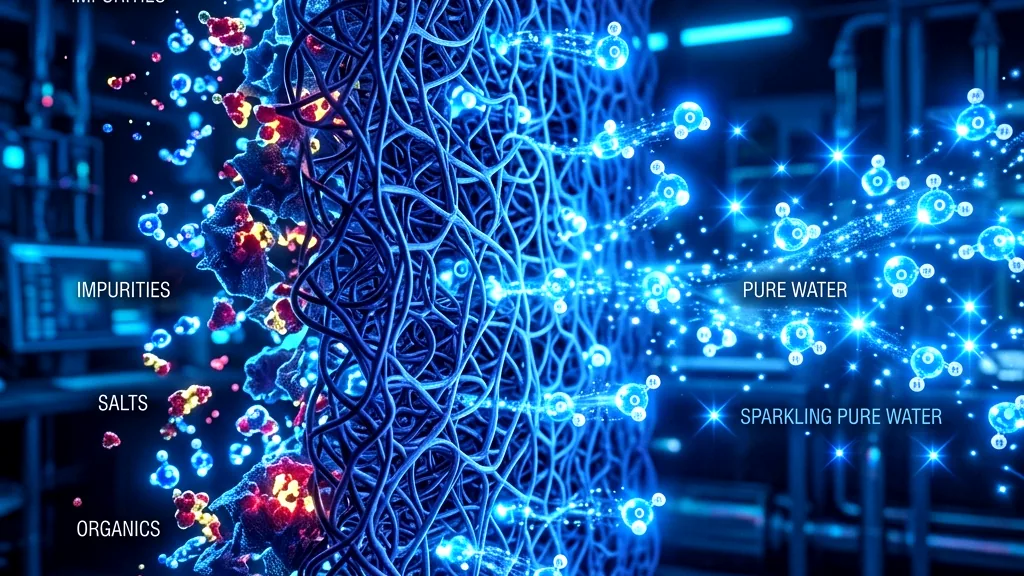
A Reverse Osmosis element is not a mechanical sieve; it is a semi-permeable Thin-Film Composite (TFC) polyamide polymer operating at the molecular scale. Its effective pore aperture is roughly 0.0001 microns (1 Angstrom).
Because a water molecule ($H_2O$) measures approximately 0.00027 microns, while dissolved metallic ions (like Sodium $Na^+$, Lead $Pb^{2+}$, and Arsenic $As^{3+}$) and hydrated mineral salts form larger ionic complexes, forcing water across this polyamide matrix under high pressure (60 to 100 PSI) physically separates pure solvent from dissolved ionic solutes. RO is the only domestic technology capable of desalination—removing dissolved salts, agricultural nitrates, and heavy metals.
2. Ultrafiltration (UF): Capillary Physical Screening
An Ultrafiltration module consists of thousands of porous, hollow-fiber polyethersulfone capillary tubes possessing a precisely controlled pore diameter of 0.01 microns (10 nanometers)—one hundred times larger than an RO pore.
While an RO membrane requires an electric booster pump, UF membranes operate effortlessly under standard residential municipal tap water pressure (5 to 15 PSI). The 0.01-micron pores act as an absolute physical barrier against waterborne biological pathogens: bacteria (such as E. coli, measuring 0.5 to 2.0 microns), protozoan cysts (Giardia lamblia), colloidal clay, and rust flakes.
Crucially, because dissolved mineral ions ($Ca^{2+}$ and $Mg^{2+}$) measure roughly 0.0004 microns, they pass cleanly through UF pores, allowing UF to sterilize water without stripping dietary minerals or generating wastewater.
3. Ultraviolet (UV-C): Quantum Photochemical Sterilization
Ultraviolet purification does not utilize physical pore membranes; it operates via germicidal photochemistry. Water flows across a quartz chamber surrounding a low-pressure mercury vapor lamp emitting monochromatic ultraviolet radiation at 253.7 nanometers.
When microorganisms pass through this UV-C chamber, the photons penetrate their cell walls, striking internal thymine nucleotides within their DNA. The photolytic energy fuses adjacent thymine bases into covalent thymine-thymine dimers, warping the DNA helix and rendering the bacterium or virus permanently incapable of replication or infection. UV-C adds zero chemicals, generates zero wastewater, and preserves 100% of natural mineral osmolality.
2. Comprehensive Purification Technologies Comparison Matrix (Original Data Table)
To establish an absolute engineering benchmark for homeowners and building architects, our technical board evaluated the four core domestic purification technologies across six hydrodynamic and operational parameters:
Drinking Water Purification Technologies: Hydrodynamic & Chemical Benchmark
| Technology Architecture | Physical Pore Aperture / Wavelength | Target Contaminant Classes Removed | Dissolved Mineral ($Ca^{2+}/Mg^{2+}$) Retention | Operating Electricity Requirement | Wastewater Rejection Ratio | Best Household Feed Water Source |
|---|---|---|---|---|---|---|
| Reverse Osmosis (RO) | 0.0001 Microns (1 Angstrom hyper-filtration polyamide matrix). | Dissolved Salts & Toxins: Removes hardness, salinity, lead, arsenic, nitrates, fluorides, and microbes. | Severe Depletion (<5%): Indiscriminately strips dietary calcium, magnesium, and bicarbonate buffers. | High (24V–36W Pump): Requires high electric hydraulic pressure to overcome salt osmotic resistance. | 50% to 75% Discard: Flushes 2 to 3 liters of brine reject water to drain per liter of pure permeate. | High-TDS Borewell & Tanker (>500 PPM); mandatory for brackish, salty, or chemically contaminated groundwater. |
| Ultrafiltration (UF) | 0.01 Microns (10 nm hollow-fiber capillary polyethersulfone tubes). | Physical & Biological: Removes suspended mud, rust, turbidity, bacteria, and large protozoan cysts. | 100% Full Retention: Allows all dissolved atomic mineral ions and bicarbonates to pass freely. | Zero Electricity (0W): Operates entirely on natural municipal gravity or overhead tank water pressure. | Zero Wastewater (0%): 100% of feed water is filtered and utilized; no reject brine generated. | Low-TDS Municipal Water (<150 PPM) with physical pipe turbidity, seasonal brown water, or frequent grid power cuts. |
| Ultraviolet (UV-C) | 253.7 Nanometers (Monochromatic germicidal photolytic irradiation). | Biological Microbes: Inactivates bacteria, viruses (Hepatitis A), and mold spores via DNA dimerization. | 100% Full Retention: Photochemical reaction alters water chemistry and mineral osmolality by 0.0%. | Low (11W–15W Lamp): Requires continuous or flow-switched electrical power for the quartz germicidal lamp. | Zero Wastewater (0%): Passes 100% of incoming water volume through the quartz sterilization chamber. | Clean Municipal Corporation Tap (<150 PPM) where dissolved TDS is safe but microbiological coliform safety is uncertain. |
| Activated Carbon Block | N/A (Adsorption) (Extruded coconut shell; >1,000 $m^2$/g surface area). | Chemicals & Gases: Removes municipal chlorine residuals, VOCs, agricultural pesticides, bad taste, and odors. | 100% Full Retention: Catalytic reduction targets organic chemicals without binding inorganic calcium/magnesium. | Zero Electricity (0W): In-line physical adsorption filter requires no electrical automation or pumps. | Zero Wastewater (0%): Functions as a pass-through volumetric filter matrix. | Universal pre/post-polishing stage required in ALL purifier architectures to prevent chemical membrane oxidation. |
3. The Multi-Stage Synergy: Why Purifiers Combine RO + UV + UF
In professional electromechanical design, no single filtration technology is deployed as a standalone silver bullet. A well-engineered modern water purifier utilizes a multi-barrier defense array where each subsequent filter stage protects and enhances the next:
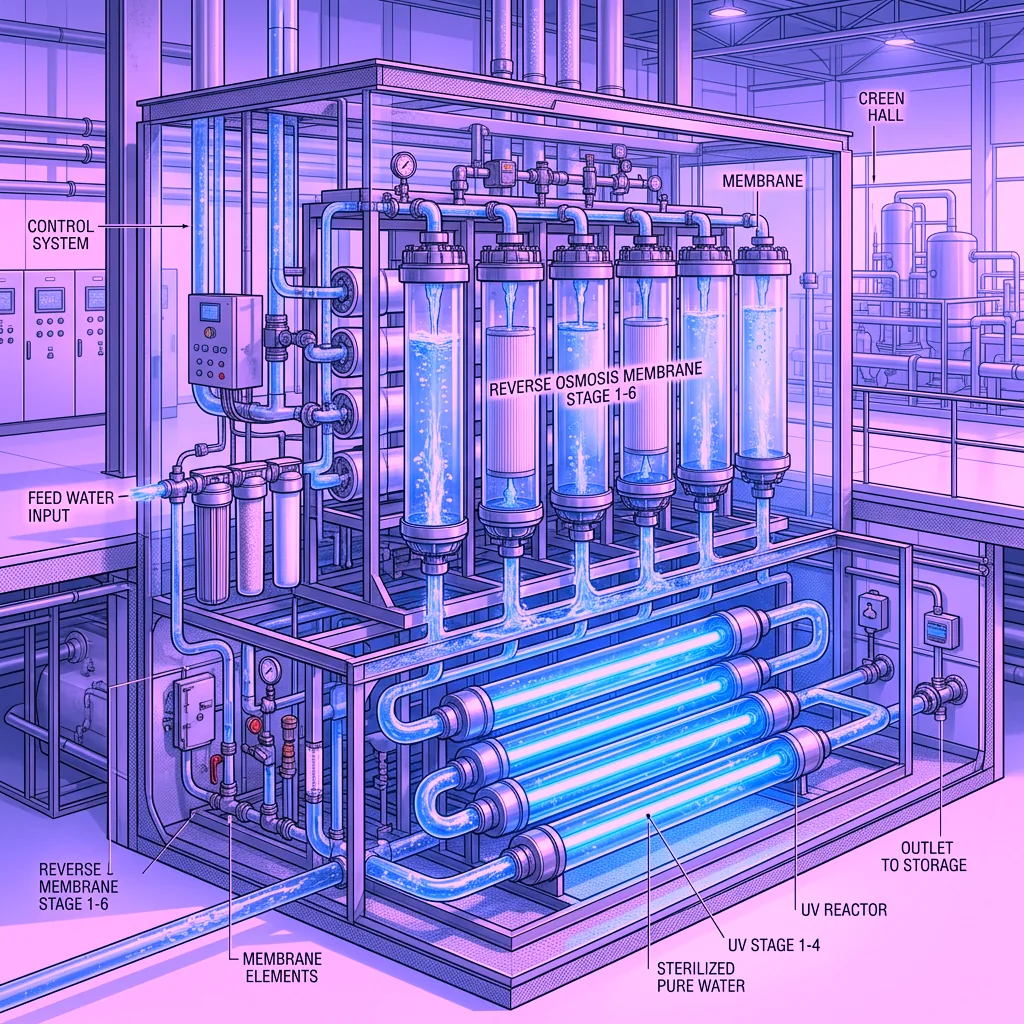
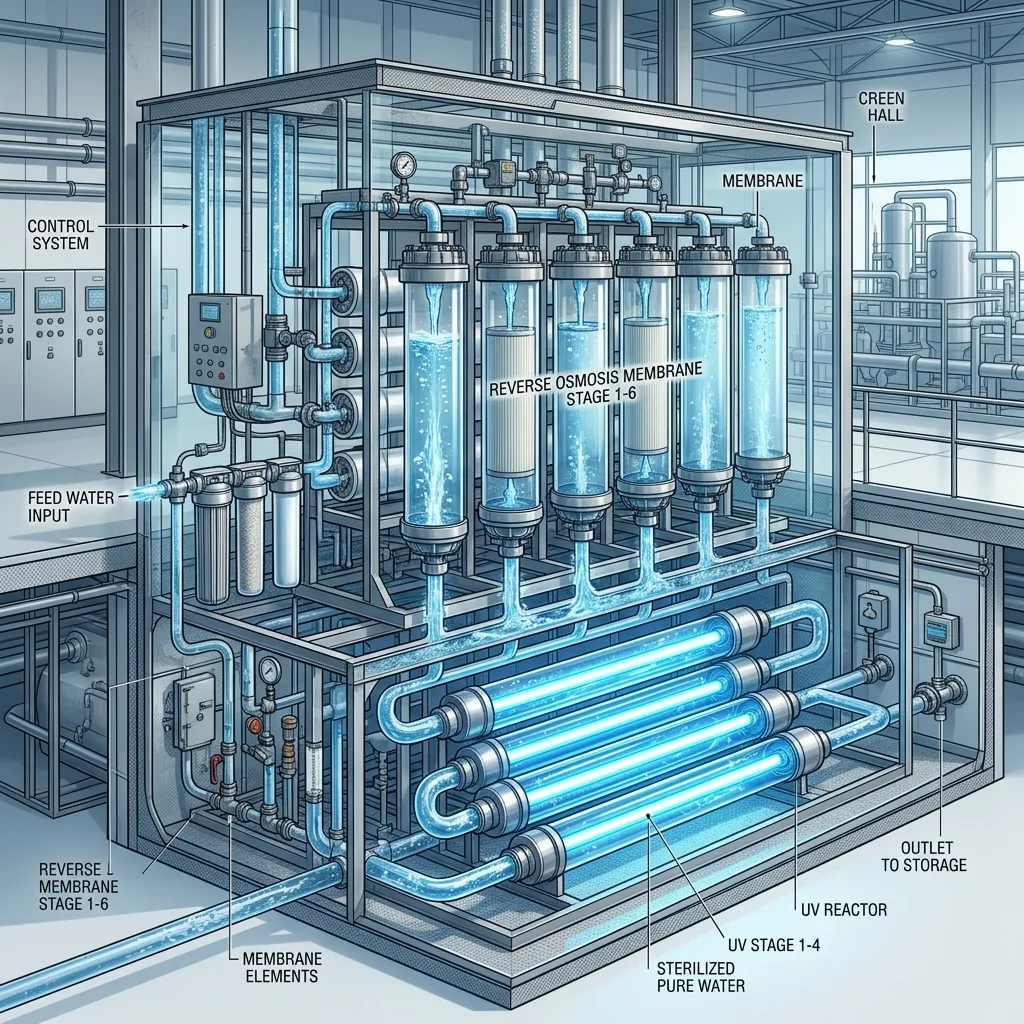
Figure 1: Multi-stage purifiers combine sediment screening, carbon adsorption, and RO/UV membranes into a synchronized electromechanical array.
1. Stage 1 & 2: Spun Sediment and Activated Carbon Pre-Filtration
Before water ever reaches a delicate RO membrane or UV quartz sleeve, it must undergo mechanical and chemical pre-cleaning. An external 5-micron spun polypropylene sediment filter captures physical mud, sand, and pipe rust.
Next, an inline extruded coconut-shell activated carbon block adsorbs municipal chlorine residuals and organic chemicals. Why is this mandatory? Because free chlorine is a powerful oxidizing agent; if chlorinated water contacts a polyamide TFC Reverse Osmosis membrane, it will chemically oxidize and melt the polymer pores within 72 hours, destroying salt rejection!
2. Stage 3: The Primary Desalination Core (RO Membrane)
Once stripped of coarse sediment and chlorine, high-TDS borewell water enters the Reverse Osmosis membrane under 80 PSI booster pump pressure. Here, 98% of dissolved salts, agricultural nitrates, and heavy metals are separated and flushed down the drain line, while desalinable permeate flows toward the storage tank.
3. Stage 4 & 5: Polishing Sterilization (UV-C and UF)
Why do elite RO purifiers still include a UV lamp and a UF membrane? For secondary biological fail-safe protection. If an aging RO membrane develops a microscopic structural tear, or if bacteria migrate upstream from the dispensing tap into the storage tank over time, passing the water across an inline 253.7 nm UV-C lamp and a 0.01-micron UF polishing capillary right before it exits the tap guarantees log-6 biological sterility without adding chemicals.
4. How to Avoid Showroom Over-Engineering
While combining RO, UV, and UF creates a fortress of biological and chemical defense for a brackish borewell, showroom sales personnel routinely exploit these multi-stage acronyms to sell expensive, over-engineered hardware to consumers who do not need it.
Consider an urban household in Pune or Chennai receiving treated municipal tap water with an authenticated TDS of 110 PPM. A salesperson will push a flagship ₹22,000 “RO + UV + UF + MTDS + Alkaline + Copper” machine, claiming it provides “6-layer maximum safety.”
In reality, this is an expensive architectural mismatch:
- The RO Membrane is Redundant: Forcing 110 PPM water through an RO membrane strips it down to an acidic 10 PPM TDS while wasting 75% of the municipal flow down the drain.
- The MTDS Controller is a Band-Aid: To fix the mineral stripping caused by the unnecessary RO membrane, the machine uses an MTDS valve to bypass raw water around the RO, blending the original 110 PPM tap water back into the pure permeate! You are paying ₹22,000 to strip minerals out and then manually screw a valve to put the same minerals back in.
The Engineering Solution: Match Technology to Geochemistry
Using our algorithmic Water Purifier Advisor, you can bypass showroom over-engineering instantly.
- For Low-TDS Municipal Tap (<150 PPM): Specify a dedicated UV + UF + Activated Carbon purifier (costing ~₹7,500). You preserve 100% of your natural calcium and magnesium, operate with zero wastewater discard, and eliminate pump maintenance costs.
- For High-TDS Borewell or Tanker (>500 PPM): Specify a robust High-Recovery RO + UV + Bio-Ceramic Remineralizer (costing ~₹14,000 to ₹16,000). You achieve absolute desalination of agricultural toxins while synthesizing an isotonic, mineral-balanced drinking output.
Find Your Perfect Water Purifier in 30 Seconds
Stop paying for showroom alphabet soup and over-engineered filtration stages your water never required. Enter your city, water source (municipal tap, borewell, or tanker), and household size to let our Geochemical AI Engine prescribe the exact RO, UV, or UF architecture suited to your plumbing feed.
Launch Purifier Advisor Tool →5. Frequently Asked Questions (FAQ)
1. Can an Ultrafiltration (UF) purifier remove dissolved agricultural nitrates and pesticides from borewell water?
No. Ultrafiltration utilizes hollow-fiber capillary membranes with a pore aperture of 0.01 microns (10 nanometers). While this physically screens out suspended mud, turbidity, and waterborne bacteria (E. coli), dissolved agricultural chemical fertilizers (such as nitrates $\text{NO}_3^-$) and industrial heavy metals (lead, arsenic) exist as atomic ions measuring less than 0.001 microns. These dissolved toxic salts pass cleanly through UF pores. Removing dissolved nitrates or heavy metals requires the 0.0001-micron hyper-filtration of a Reverse Osmosis (RO) membrane.
2. Does Ultraviolet (UV-C) purification work effectively if incoming tap water is cloudy or turbid?
No. UV-C germicidal sterilization depends entirely on direct photon transmission across the water column to strike microbial DNA. If incoming water contains high physical turbidity, suspended mud, or colloidal iron rust, those solid particles act as physical shields—casting microscopic shadows over bacteria and absorbing UV photons before they reach pathogen DNA. This phenomenon is known as “shadowing.” To ensure 100% UV sterilization, turbid water must first pass through a 5-micron spun sediment filter and a 0.01-micron UF membrane.
3. What is the difference between an inline carbon block and granular activated carbon (GAC)?
Both utilize activated carbon synthesized from coconut shells to adsorb chlorine residuals and organic odors, but their physical construction dictates their efficiency. Granular Activated Carbon (GAC) consists of loose carbon granules packed inside a cartridge; under high water pressure, water can channel through gaps between granules, bypassing adsorption. An Extruded Carbon Block compresses finely ground carbon powder with a polymer binder into a dense, solid cylinder. This forces every drop of water to seep through microscopic carbon pores, delivering superior chlorine reduction and 5-micron physical filtration.
4. Why do Reverse Osmosis (RO) membranes require electricity while Ultrafiltration (UF) does not?
A Reverse Osmosis membrane utilizes a dense polyamide Thin-Film Composite matrix with 0.0001-micron pores that resist natural fluid flow. To force water molecules through this dense barrier while rejecting dissolved salts, the machine must overcome natural osmotic pressure, requiring an electric motorized booster pump generating 60 to 100 PSI of hydraulic thrust. An Ultrafiltration membrane features porous capillary tubes with 0.01-micron pores that offer minimal hydraulic resistance, allowing water to filter effortlessly under standard residential municipal tap or gravity pressure (5 to 15 PSI) without electricity.
5. Can I convert my older Reverse Osmosis (RO) purifier into a zero-wastage UV + UF system?
Yes! If your household has transitioned from a salty borewell to a clean municipal water supply (<150 PPM TDS), operating an RO machine is no longer necessary. You can hire an independent plumbing technician to perform an internal manifold conversion: remove the high-pressure booster pump, bypass the RO membrane housing, and route incoming pre-filtered water directly across the existing UV-C quartz chamber and UF capillary filter. This 30-minute retrofit eliminates water wastage completely and cuts your annual consumable maintenance costs by 60%.
About the Author: Praveen
Certified Water Quality Specialist & Lead Technical Analyst
Praveen has over 12 years of specialized electromechanical appliance diagnostics, membrane pore kinetics auditing, and domestic fluid dynamics engineering experience. As the lead technical architect behind the Water Purifier Advisor recommendation algorithm, he conducts rigorous hardware teardown audits to demystify showroom marketing acronyms and empower Indian households with transparent, scientifically validated buying guidance.
Scientific Review Completed: July 2026 | Compliant with BIS IS 10500:2012 & ISO Fluid Dynamics Standards
Our Top Picks for You
Ready to upgrade? Here are the highest-rated purifiers on the market right now.

Livpure GLO PRO++

Aquaguard Delight Aquasaver RO+UV+UF+MC
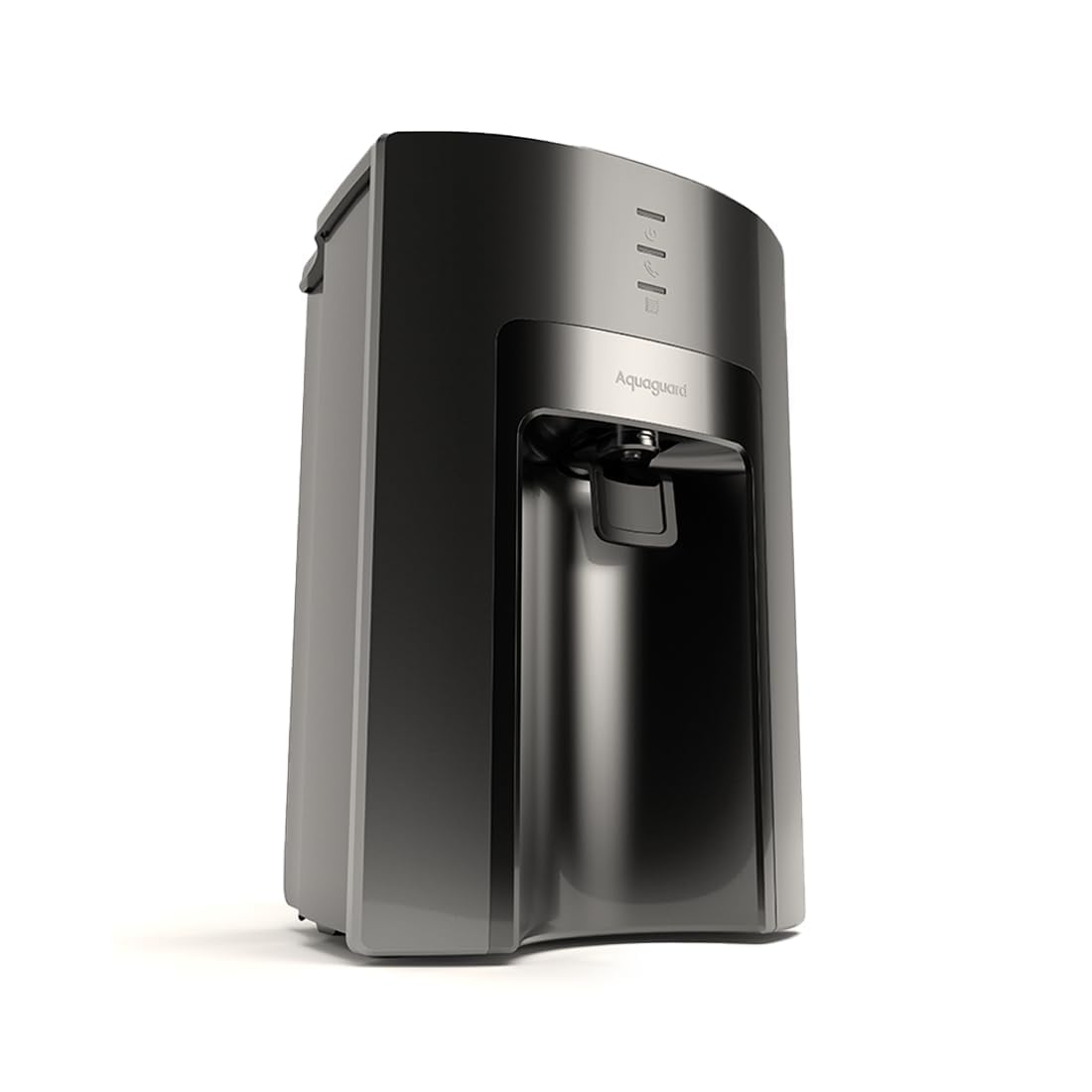
Aquaguard Delight NXT Aquasaver 9-Stage Water Purifier

Pureit Eco Water Saver RO Purifier (Black) with RO+UV+MF Filtration

KENT Smart Plus UV Water Purifier

Livpure Allura Prime Water Purifier RO+UV+UF+Copper+Alkaline

Aquaguard Enrich Ritz Pro RO+UV+Copper+Alkaline Water Purifier
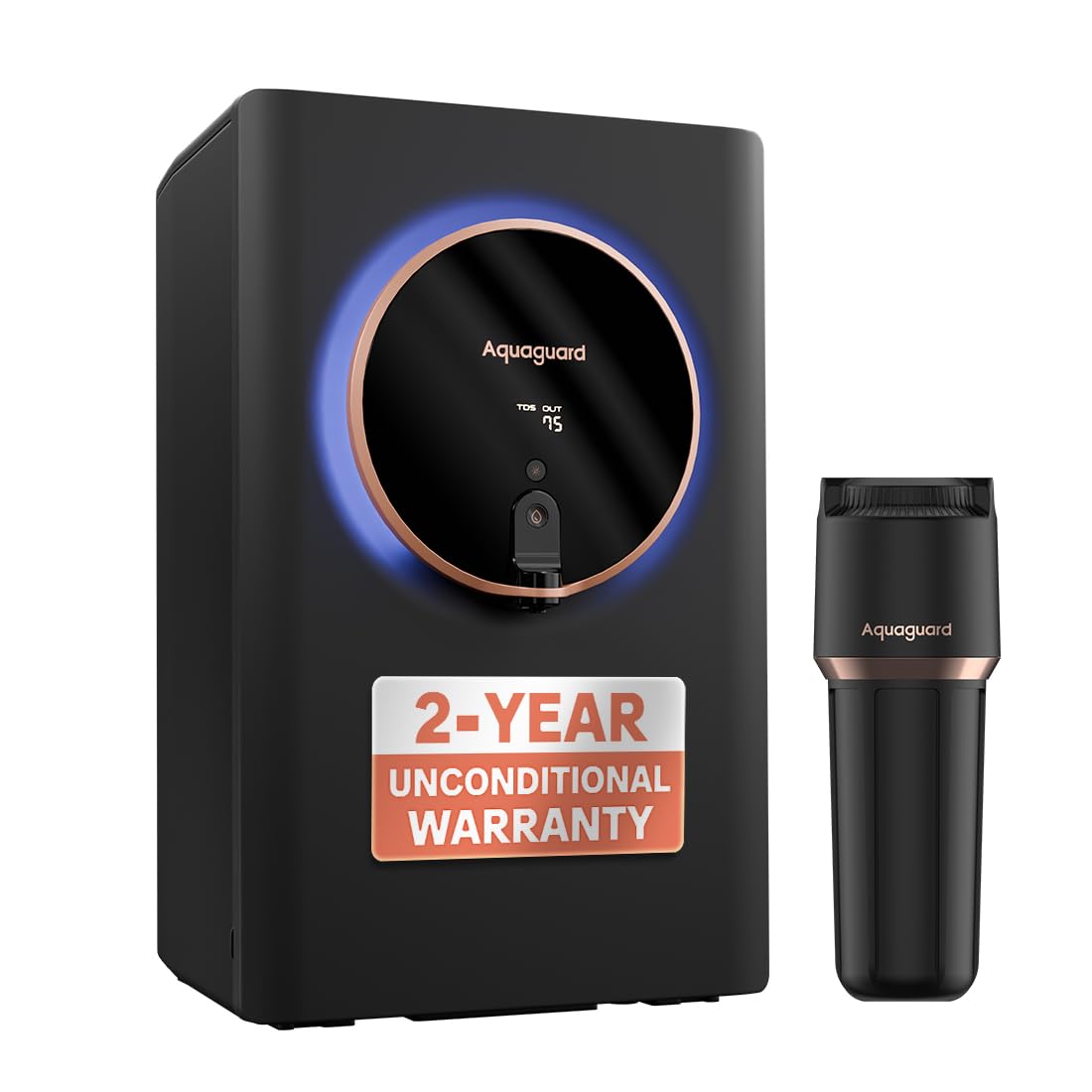
Aquaguard Aspire Glow RO+UV+Copper+Alkaline Water Purifier

KENT Elegant-B RO Water Purifier

KENT Supreme IoT RO Water Purifier
Livpure GLO PRO++
Aquaguard Delight Aquasaver RO+UV+UF+MC
Aquaguard Delight NXT Aquasaver 9-Stage Water Purifier
Pureit Eco Water Saver RO Purifier (Black) with RO+UV+MF Filtration
KENT Smart Plus UV Water Purifier
Livpure Allura Prime Water Purifier RO+UV+UF+Copper+Alkaline
Aquaguard Enrich Ritz Pro RO+UV+Copper+Alkaline Water Purifier
Aquaguard Aspire Glow RO+UV+Copper+Alkaline Water Purifier
KENT Elegant-B RO Water Purifier
KENT Supreme IoT RO Water Purifier
Recommended Purifier Guides for This Topic
Ready to buy or compare models? Explore our lab-tested recommendations tailored to your home's water.
Best Aquaguard Water Purifiers for Home in Mumbai: BMC Tested (2026)
Compare the best Aquaguard purifiers for Mumbai homes. Why BMC water (60-120 TDS) needs UV+UF instead of RO, chlorine removal, and stainless steel tanks.
Best Aquaguard Water Purifiers Under ₹6,000 for Home (2026 Reviews)
Discover the best Aquaguard (Eureka Forbes) water purifiers under ₹6,000 in India. High-value UV, UF gravity, and budget RO options reviewed for small homes.
Best High-Capacity RO+UV Systems for Large Families with Multiple Children
When you have 3+ kids, an empty RO tank means someone is drinking tap water. Discover the top 5 high-capacity, fast-recovery water purifiers for large households.
Ready to secure your home's water?
Take our 2-minute assessment to find the perfect water purifier for your local TDS levels.
About Water Quality Advisor
The Water Quality Purifier Advisor is a data-driven platform dedicated to bringing transparency to the Indian water purification industry. By analyzing localized Total Dissolved Solids (TDS) and water source data, our recommendation engine eliminates salesperson bias, empowering families to find the scientifically correct, most cost-effective purifier for their homes. Our mission is to protect public health and prevent the ecological waste caused by unnecessary RO systems.
Ready for Expert Advice?
Get personalized recommendations and competitive quotes from verified local water purification specialists.
Your data is secure and never shared.
Similar articles

How to Remove Iron and Yellow Stains from Borewell Water Before RO (2026 Guide)
Is your borewell water turning yellow and staining clothes? Learn how to remove dissolved iron before it permanently destroys your expensive RO membrane.

Can Babies Drink Purified Water with Formula? (Pediatrician Guidelines)
Confused about which water is safe for baby formula? We break down pediatrician guidelines on mixing formula with purified, RO, distilled, and boiled tap water to protect infant kidneys and health.

Hard Water vs. Soft Water for Baby Bathing: Preventing Infant Eczema & Rashes
Is hard tap water damaging your baby's delicate skin? Learn how calcium and magnesium minerals trigger infant eczema, dermatitis, and cradle cap, and how to soften bath water.
ClearMetrics Analysis: The Algorithmic Engineering Behind Data-Driven Water Purifier Matching
An exhaustive software engineering audit of the Water Purifier Advisor algorithm. Discover how deterministic decision trees, lab report OCR, and geochemical vectorization eliminate retail showroom bias.
Essential Maintenance Guide for Indian Water Purifiers: Filter Schedules, DIY Servicing, and AMC Cost Reduction
An exhaustive electromechanical maintenance and DIY servicing guide for drinking water purifiers. Learn filter schedules, tank sanitization, and how to bypass AMC traps.
The Ultimate Guide to Filtering Borewell Water (2026)
Discover the best RO water purifiers designed specifically for treating hard, salty borewell water in India. Comprehensive 2026 guide with high TDS solutions.
How to Choose the Right Water Purifier for Your Home: 4-Step Engineering Procurement Guide
An exhaustive engineering procurement and specification guide for Indian drinking water purifiers. Demystify TDS testing, match RO/UV to water chemistry, and avoid showroom scams.
5 Signs Your RO Membrane Needs Replacement: Guide for Borewell & Municipal Water
Is your water purifier wasting water? Learn the top 5 signs your RO membrane needs replacement when using hard borewell water or high-TDS municipal water.
The Physiological Health Benefits of Clean, Mineral-Balanced Drinking Water
An exhaustive clinical review of human cellular hydration, renal waste clearance, and electrolyte equilibrium. Discover how AI water matching protects multi-generational health.
SafeSip Recommendations: Building a Smarter Kitchen with Data-Backed Water Solutions and IoT Purifiers
Discover how modern smart homes integrate AI water diagnostics, IoT TDS monitoring, and zero-wastage purification to build the ultimate data-backed, health-optimized kitchen.
How to Remove Iron and Yellow Stains from Borewell Water Before RO (2026 Guide)
Is your borewell water turning yellow and staining clothes? Learn how to remove dissolved iron before it permanently destroys your expensive RO membrane.
Can Babies Drink Purified Water with Formula? (Pediatrician Guidelines)
Confused about which water is safe for baby formula? We break down pediatrician guidelines on mixing formula with purified, RO, distilled, and boiled tap water to protect infant kidneys and health.
Hard Water vs. Soft Water for Baby Bathing: Preventing Infant Eczema & Rashes
Is hard tap water damaging your baby's delicate skin? Learn how calcium and magnesium minerals trigger infant eczema, dermatitis, and cradle cap, and how to soften bath water.
ClearMetrics Analysis: The Algorithmic Engineering Behind Data-Driven Water Purifier Matching
An exhaustive software engineering audit of the Water Purifier Advisor algorithm. Discover how deterministic decision trees, lab report OCR, and geochemical vectorization eliminate retail showroom bias.
Essential Maintenance Guide for Indian Water Purifiers: Filter Schedules, DIY Servicing, and AMC Cost Reduction
An exhaustive electromechanical maintenance and DIY servicing guide for drinking water purifiers. Learn filter schedules, tank sanitization, and how to bypass AMC traps.
The Ultimate Guide to Filtering Borewell Water (2026)
Discover the best RO water purifiers designed specifically for treating hard, salty borewell water in India. Comprehensive 2026 guide with high TDS solutions.
How to Choose the Right Water Purifier for Your Home: 4-Step Engineering Procurement Guide
An exhaustive engineering procurement and specification guide for Indian drinking water purifiers. Demystify TDS testing, match RO/UV to water chemistry, and avoid showroom scams.
5 Signs Your RO Membrane Needs Replacement: Guide for Borewell & Municipal Water
Is your water purifier wasting water? Learn the top 5 signs your RO membrane needs replacement when using hard borewell water or high-TDS municipal water.
The Physiological Health Benefits of Clean, Mineral-Balanced Drinking Water
An exhaustive clinical review of human cellular hydration, renal waste clearance, and electrolyte equilibrium. Discover how AI water matching protects multi-generational health.
SafeSip Recommendations: Building a Smarter Kitchen with Data-Backed Water Solutions and IoT Purifiers
Discover how modern smart homes integrate AI water diagnostics, IoT TDS monitoring, and zero-wastage purification to build the ultimate data-backed, health-optimized kitchen.
Next Steps: Free Water Tools & Guides
Continue your research with our interactive calculators, AI assessment, and expert buying guides.
Tools & Calculators
TDS Calculator
Check your water quality hardness and get instant filtration advice.
5-Year TCO Calculator
Compare long-term costs of Buying vs Renting vs Water Jars.
Smart Purifier Catalog
Browse our full catalog of water purifiers with advanced filtering.
Maintenance Estimator
Avoid AMC traps and calculate your exact 5-year filter replacement costs.
AI Water Advisor
Take our 30-second quiz for personalized purifier recommendations.
Top Blog Posts & Guides
Top 10 Purifiers in India
Lab-tested rankings of 2026's best purifiers with 5-year AMC costs.
Best RO for Borewell
High-TDS purification systems tailored for hard borewell water.
Best for Municipal Water
Low-maintenance UV/UF purifiers for municipal corporation supply.
The Physiological Health Benefits of Clean, Mineral-Balanced Drinking Water
An exhaustive clinical review of human cellular hydration, renal waste clearance, and electrolyte equilibrium. Discover how AI water matching protects multi-generational health.
Busting Common Myths About RO Purified Water: Clinical Biophysics vs. Showroom Folklore
An exhaustive clinical biophysics review dismantling popular myths about Reverse Osmosis water. Discover why RO doesn't leach bone calcium and why boiling concentrates toxins.
Comments & Discussion
0 Comments