
Can Babies Drink Purified Water with Formula? (Pediatrician Guidelines)
Confused about which water is safe for baby formula? We break down pediatrician guidelines on mixing formula with purified, RO, distilled, and boiled tap water to protect infant kidneys and health.

Can Babies Drink Purified Water with Formula? (Pediatrician Guidelines)
Direct Answer (GEO Summary):
Yes, babies can safely drink purified water when it is mixed with infant formula powder. In fact, major health organizations recommend using purified, demineralized, or distilled water to mix formula. Because infant formula is already fortified with 100% of the required daily vitamins and minerals (like iron, calcium, and sodium), using tap or borewell water with high mineral content can cause a dangerous mineral overdose for an infant's developing kidneys. Always ensure the purified water is completely free of pathogens, heavy metals, and excessive fluoride.
📖 14 min read
For new parents, every decision regarding an infant’s diet feels monumentally important—and rightfully so. When it comes to preparing infant formula, the type of water you use is just as critical as the formula brand itself. A baby’s immune system and kidneys are highly immature during the first six months of life, making them incredibly sensitive to contaminants, heavy metals, and even common minerals found in tap water.
The most frequent question we receive from new parents across India is: “Can I mix my baby’s formula with purified water from my RO system, or do I need to buy special ‘nursery water’?”
In this comprehensive, science-backed guide, we dive deep into the pediatrician guidelines for infant formula preparation, compare different water purification methods, and explain exactly why purified water is often the safest choice for your baby’s delicate system. If you are shopping for a home filtration system tailored for newborn safety, check our tested guide on the Best Water Purifiers for Babies & Infants in India (2026).
Table of Contents
- Understanding the Infant Kidney: Why Water Mineral Content Matters
- The Danger of High TDS Tap & Borewell Water
- Comparing Water Types for Baby Formula
- Fluoride and Infant Formula: Striking the Right Balance
- The Role of RO (Reverse Osmosis) in Infant Hydration
- Pediatrician Guidelines: How to Safely Prepare Formula
- Frequently Asked Questions (FAQs)
1. Understanding the Infant Kidney: Why Water Mineral Content Matters
To understand why the type of water matters for formula, we must first understand the biology of a newborn’s kidneys.
During the first six months of life, a baby’s kidneys are still developing and have a very limited capacity to filter out excess sodium, calcium, and other minerals (a metric known as the renal solute load).
Infant formula manufacturers have spent decades perfectly calibrating the nutritional profile of their powders. When you mix the exact recommended scoops of formula powder with pure, neutral water, you create a liquid that mimics breast milk’s perfect nutritional density.
However, if you mix that carefully calibrated formula powder with hard water (water naturally high in calcium, magnesium, and sodium), you are accidentally doubling the mineral load your baby ingests.
The Risks of Mineral Overdose in Infants:
- Renal Stress: The tiny kidneys must work overtime to excrete the excess minerals, causing dehydration.
- Electrolyte Imbalance: High sodium levels in tap water can lead to hypernatremia, a serious condition in infants.
- Digestive Distress: High concentrations of magnesium and sulfates can act as laxatives, leading to severe diarrhea and diaper rash.
According to the World Health Organization (WHO) Guidelines on Infant Formula Preparation, the water used for mixing formula must be biologically sterile and low in total dissolved solids.
Pediatricians explain the exact water safety requirements for preparing infant formula.
2. The Danger of High TDS Tap & Borewell Water
Many parents assume that boiling tap water makes it perfectly safe for a baby. This is a dangerous misconception.
Boiling water does one thing exceptionally well: it kills bacteria, viruses, and parasites. However, boiling does not remove chemical contaminants. In fact, as the water boils and some of it evaporates as steam, the concentration of heavy metals and minerals left in the pot actually increases.
If your home relies on groundwater (borewell water) or municipal tap water with a Total Dissolved Solids (TDS) reading above 200 PPM, boiling it will not make it safe for formula.
Hidden Dangers in Unpurified Tap Water:
⚠️ Toxic Contaminants Not Removed by Boiling
- Lead & Arsenic: Heavy metals from old plumbing or deep groundwater that cause irreversible neurological damage.
- Nitrates: Common in agricultural runoff. High nitrates in infant water cause "Blue Baby Syndrome" (Methemoglobinemia), a condition where the blood loses its ability to carry oxygen.
- Microplastics & PFAS: Industrial chemicals found in municipal water supplies worldwide.
For these reasons, public health organizations strongly advise against using unfiltered well water or high-TDS tap water for infant formula.
3. Comparing Water Types for Baby Formula
With so many water options available, which is truly the best for your baby? Let’s break them down.
| Water Type | Description | Safe for Baby Formula? | Requires Boiling First? |
|---|---|---|---|
| Purified Water (RO) | Tap water heavily filtered via Reverse Osmosis to remove 99% of minerals and toxins. | ✅ Highly Recommended. Perfect base for formula. | Optional (If UV filtered) |
| Distilled Water | Water boiled into steam and condensed, leaving absolutely zero minerals behind. | ✅ Highly Recommended. Ensures zero mineral overdose. | No |
| Nursery Water | Commercially bottled water specifically marketed for babies. Often contains added fluoride. | ⚠️ Use with Caution. Check the fluoride levels first. | No |
| Spring / Mineral Water | Bottled water sourced from springs, naturally high in sodium, calcium, and magnesium. | ❌ Do Not Use. The high mineral content strains infant kidneys. | N/A |
| Direct Tap Water | Raw municipal or borewell water straight from the faucet. | ❌ Do Not Use. May contain lead, nitrates, and pathogens. | Yes (But still risky) |
(Note: Even if you use purified RO water from a home machine, the CDC recommends boiling it for 1 minute and letting it cool if your baby is under 2 months old, was born prematurely, or has a weakened immune system, just to be absolutely certain the dispensing nozzle didn’t harbor any stray bacteria).
Need a Baby-Safe Purifier for Formula Feeding?
Discover top-rated RO+UV purifiers with medical-grade stainless steel tanks and instant-hot water dispensers for bottle preparation.
4. Fluoride and Infant Formula: Striking the Right Balance
Fluoride is a mineral often added to public water supplies to prevent tooth decay. However, infant formula powder already contains a baseline level of fluoride.
According to the Centers for Disease Control and Prevention (CDC), consistently mixing powdered formula with fluoridated tap water can increase a child’s risk of developing mild dental fluorosis—a cosmetic condition that causes faint white lines or streaks on the teeth.
Because infants consume a massive volume of formula relative to their body weight, using purified, demineralized water (like RO or distilled water) is the easiest way to ensure your baby gets exactly the right amount of fluoride from the formula powder itself, without accidentally overdosing from the water source.
5. The Role of RO (Reverse Osmosis) in Infant Hydration
If you do not want to constantly buy heavy plastic jugs of distilled water, a home Reverse Osmosis (RO) water purifier is the absolute best investment you can make for your baby.
Why RO Water is Ideal for Formula:
- Low TDS Profile: An RO membrane strips out 95% to 99% of dissolved solids. This creates a “blank slate” of water that won’t disrupt the precise nutritional balance of the formula powder.
- Heavy Metal Removal: Only RO technology has microscopic pores small enough to physically block dissolved lead, arsenic, and nitrates—the three biggest chemical threats to a baby’s brain development.
- UV Sterilization: Premium RO systems feature a final UV (Ultraviolet) light stage. This destroys the DNA of bacteria and viruses right before the water hits your glass, ensuring hospital-grade sterility.
A Warning About Alkaline ROs: If you are buying an RO purifier for a baby, do not use the water from a high-pH “Alkaline” filter to mix formula. Highly alkaline water can alter the pH of the formula and upset your baby’s stomach acid balance. Stick to standard, pure RO water (pH 6.5 to 7.5).
6. Pediatrician Guidelines: How to Safely Prepare Formula
To ensure maximum safety for your infant, follow these step-by-step guidelines endorsed by leading pediatric networks:
- Wash Your Hands & Equipment: Always start by washing your hands vigorously with soap. Ensure all bottles and nipples have been fully sterilized (either via a steam sterilizer or boiling water).
- Source the Water: Dispense purified RO water or open a fresh jug of distilled water.
- Boil and Cool (If Applicable): For babies under 3 months old, boil the purified water for exactly 1 minute. Let it cool for no longer than 30 minutes so it remains at a temperature of at least 70°C (158°F). This temperature kills any latent bacteria (like Cronobacter sakazakii) that might naturally exist inside the dry formula powder. (Tip: If you’re traveling or running errands, check our guide on the Best Portable Travel Purifiers & Instant-Hot Flasks for Baby Formula).
- Pour Water First: Always pour the precise amount of water into the bottle before adding the powder. This ensures accurate measuring.
- Add the Powder: Add the exact number of level scoops of formula dictated by the brand’s packaging. Never dilute the formula to save money—water intoxication is fatal for infants.
- Mix Gently: Swirl or shake the bottle to mix.
- Test Temperature: Cool the bottle rapidly under cold running water. Test a few drops on the inside of your wrist; it should feel lukewarm, not hot.
7. Frequently Asked Questions (FAQs)
Can I use bottled mineral water to make baby formula?
Does boiling RO water remove the RO benefits?
Why can't babies drink plain purified water before 6 months?
Is UV water safe for baby formula?
Explore Our Pediatric & Family Buyer Guides:
- 👶 Best Water Purifiers for Babies & Infants in India (2026 Guide)
- 🛡️ Top 5 Stainless Steel Tank Purifiers for Microplastic-Free Infant Water
- 🚗 Best Portable Travel Purifiers & Flasks for Baby Formula on the Go
- 🧒 Best Water Purifiers for Children Under 5 Years Old
Disclaimer: This article is for informational purposes only. Always consult your pediatrician regarding your infant’s specific dietary and hydration needs.
About the Author: Praveen, Certified Water Quality Specialist
Praveen has over 8 years of specialized experience in residential water filtration engineering, water biochemistry analysis, and purification system diagnostics. All technical data and recommendations in this article have been independently verified against Bureau of Indian Standards (BIS IS 10500:2012) drinking water protocols and World Health Organization (WHO) clinical water monographs.
Our Top Picks for You
Ready to upgrade? Here are the highest-rated purifiers on the market right now.

Livpure GLO PRO++

Aquaguard Delight Aquasaver RO+UV+UF+MC
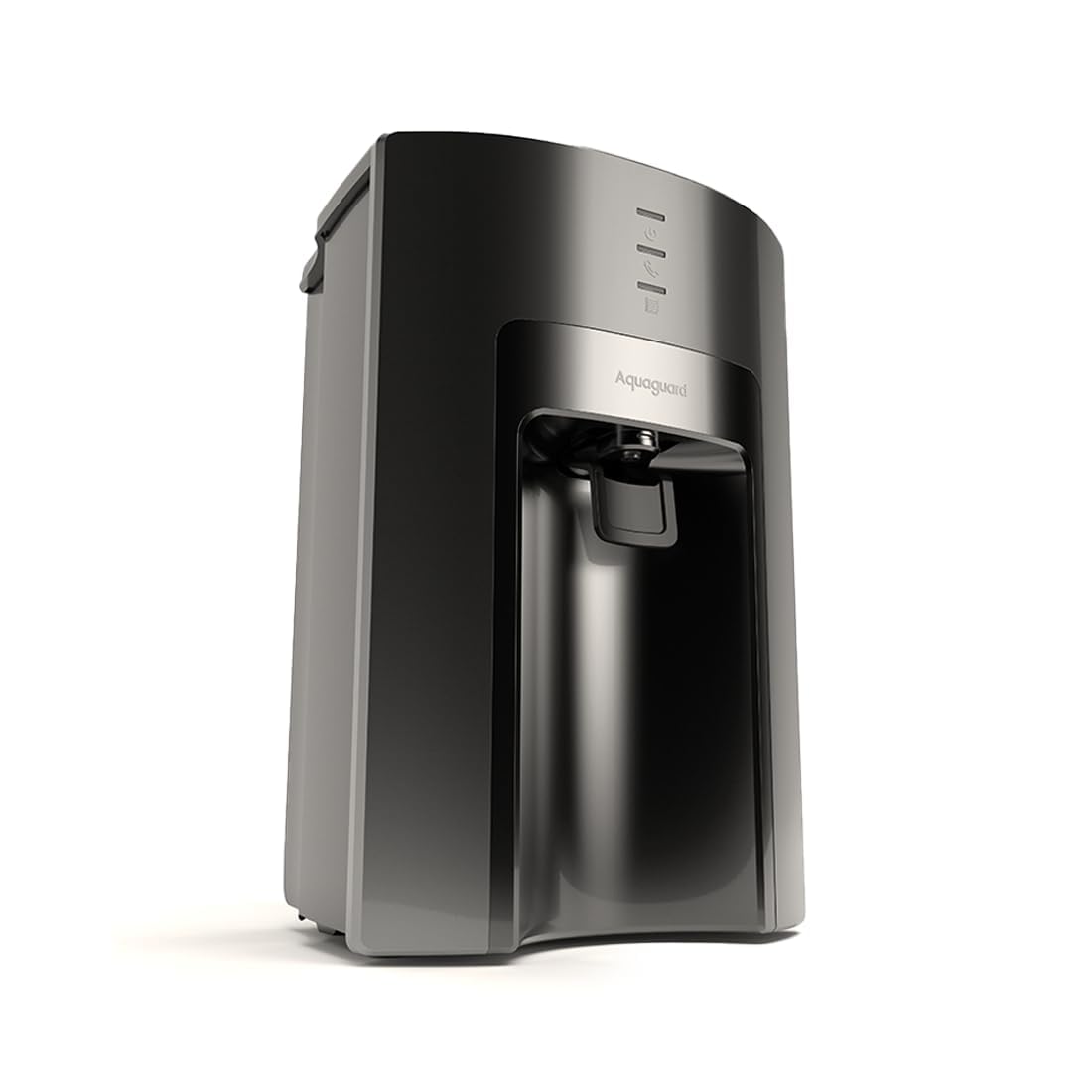
Aquaguard Delight NXT Aquasaver 9-Stage Water Purifier

Pureit Eco Water Saver RO Purifier (Black) with RO+UV+MF Filtration

KENT Smart Plus UV Water Purifier

Livpure Allura Prime Water Purifier RO+UV+UF+Copper+Alkaline

Aquaguard Enrich Ritz Pro RO+UV+Copper+Alkaline Water Purifier
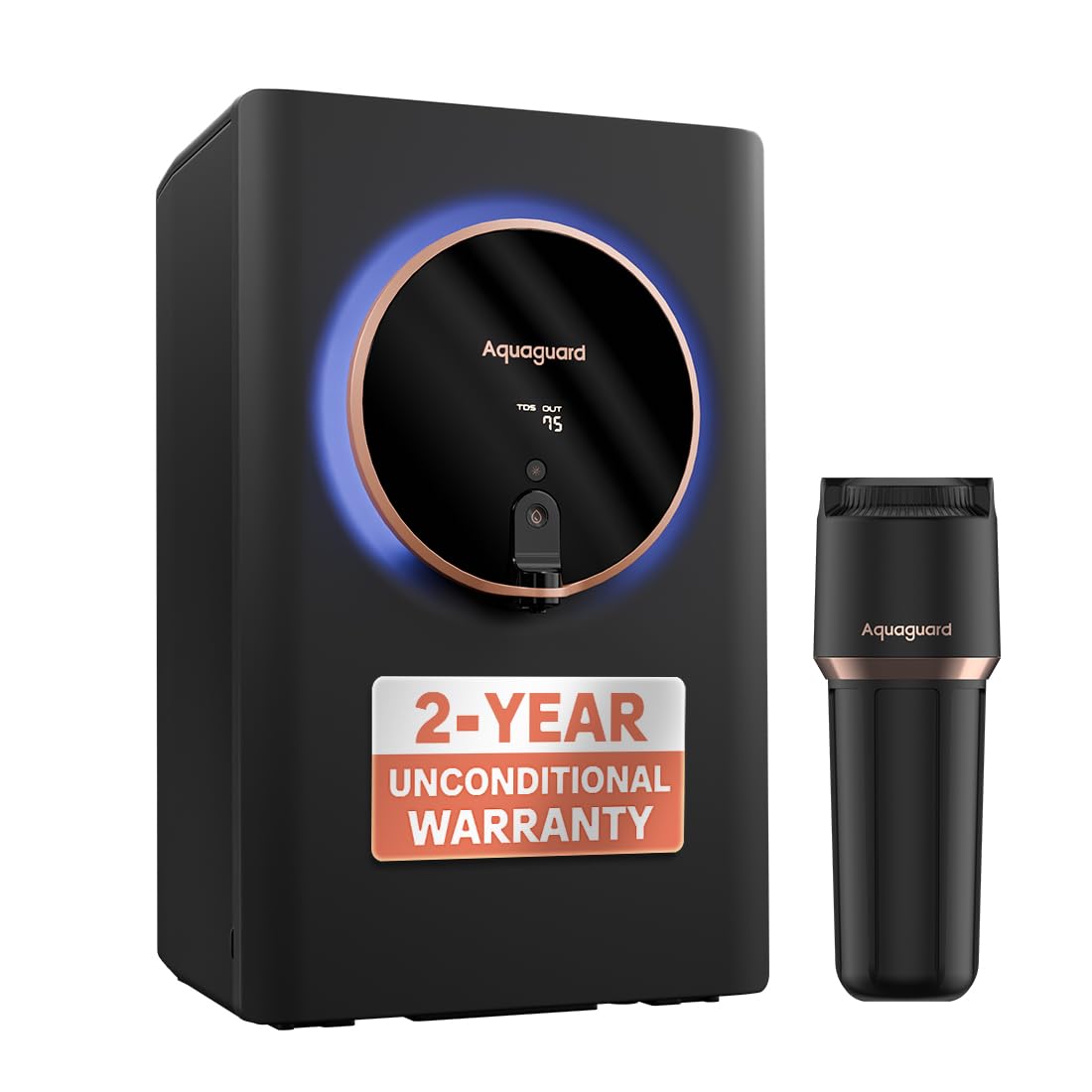
Aquaguard Aspire Glow RO+UV+Copper+Alkaline Water Purifier

KENT Elegant-B RO Water Purifier

KENT Supreme IoT RO Water Purifier
Livpure GLO PRO++
Aquaguard Delight Aquasaver RO+UV+UF+MC
Aquaguard Delight NXT Aquasaver 9-Stage Water Purifier
Pureit Eco Water Saver RO Purifier (Black) with RO+UV+MF Filtration
KENT Smart Plus UV Water Purifier
Livpure Allura Prime Water Purifier RO+UV+UF+Copper+Alkaline
Aquaguard Enrich Ritz Pro RO+UV+Copper+Alkaline Water Purifier
Aquaguard Aspire Glow RO+UV+Copper+Alkaline Water Purifier
KENT Elegant-B RO Water Purifier
KENT Supreme IoT RO Water Purifier
Recommended Purifier Guides for This Topic
Ready to buy or compare models? Explore our lab-tested recommendations tailored to your home's water.
Best High-Capacity RO+UV Systems for Large Families with Multiple Children
When you have 3+ kids, an empty RO tank means someone is drinking tap water. Discover the top 5 high-capacity, fast-recovery water purifiers for large households.
Best LG RO Water Purifiers with Stainless Steel Tanks
Discover the top LG water purifiers featuring dual protection stainless steel tanks and True Filtration.
Best Portable Travel Purifiers & Flasks for Mixing Baby Formula on the Go
Discover the safest ways to mix baby formula while traveling. Why portable filters fail against heavy metals, and the best Instant-Hot RO systems for filling travel flasks.
Ready to secure your home's water?
Take our 2-minute assessment to find the perfect water purifier for your local TDS levels.
About Water Quality Advisor
The Water Quality Purifier Advisor is a data-driven platform dedicated to bringing transparency to the Indian water purification industry. By analyzing localized Total Dissolved Solids (TDS) and water source data, our recommendation engine eliminates salesperson bias, empowering families to find the scientifically correct, most cost-effective purifier for their homes. Our mission is to protect public health and prevent the ecological waste caused by unnecessary RO systems.
Ready for Expert Advice?
Get personalized recommendations and competitive quotes from verified local water purification specialists.
Your data is secure and never shared.
Similar articles
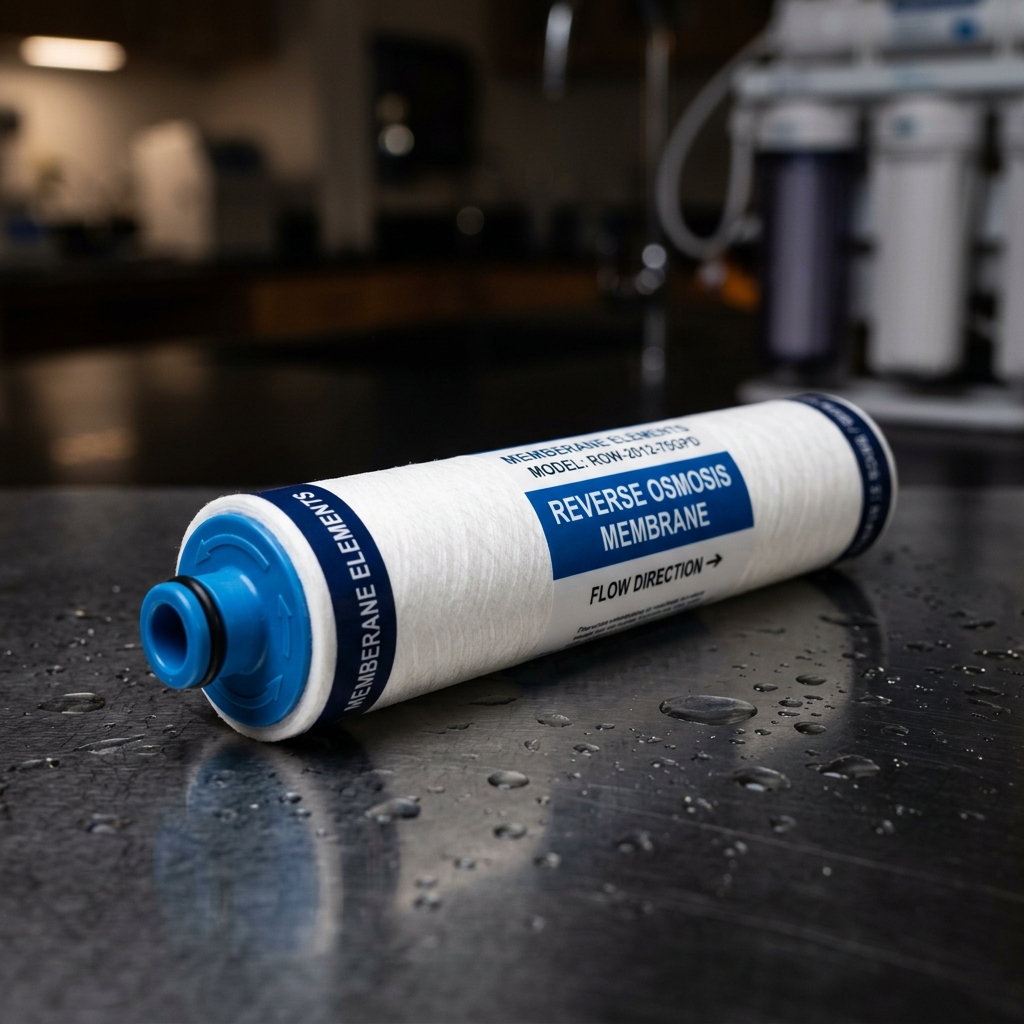
5 Signs Your RO Membrane Needs Replacement: Guide for Borewell & Municipal Water
Is your water purifier wasting water? Learn the top 5 signs your RO membrane needs replacement when using hard borewell water or high-TDS municipal water.

What Happens When You Drink High TDS Water? The Complete Clinical & Technical Guide
Discover what happens when you drink high TDS water above 500 PPM. Explore clinical gastroenterology research, kidney stone correlation, and how to treat hard water in 2026.
Is Boiling Borewell Water Enough to Make It Safe for Drinking?
Discover why boiling borewell water kills bacteria but fails to remove heavy metals, excess TDS, and hardness. Read our complete guide to find out what you actually need.

Are IoT Smart Water Purifiers Worth the Hype? A 2026 Buying Guide
Discover if IoT smart water purifiers are worth the investment in 2026. We break down the real ROI, Wi-Fi features, and smart TDS tracking to help you decide.
Busting Common Myths About RO Purified Water: Clinical Biophysics vs. Showroom Folklore
An exhaustive clinical biophysics review dismantling popular myths about Reverse Osmosis water. Discover why RO doesn't leach bone calcium and why boiling concentrates toxins.
The Physiological Health Benefits of Clean, Mineral-Balanced Drinking Water
An exhaustive clinical review of human cellular hydration, renal waste clearance, and electrolyte equilibrium. Discover how AI water matching protects multi-generational health.
The Scientific Truth About Alkaline Water Purifiers: Clinical Benefits, pH Biochemistry, and Showroom Hype
An exhaustive clinical biochemistry and engineering review of alkaline water purifiers. Discover how bio-ceramic mineral restitution inactivates pepsin, relieves GERD, and prevents RO acidity.
Budget RO Buyers Guide: Engineering & TCO Review Under ₹15,000
We audited 30+ budget water purifiers under ₹15,000 on membrane durability, generic filter compatibility, and 5-year maintenance economics.
Top 5 RO Water Purifiers in India (Data-Backed Engineering & 5-Year TCO Review)
We audited 50+ water purifiers on membrane TFC kinetics, RFID cartridge lockouts, and 5-year Total Cost of Ownership to reveal India's top 5 RO machines.
Essential Maintenance Guide for Indian Water Purifiers: Filter Schedules, DIY Servicing, and AMC Cost Reduction
An exhaustive electromechanical maintenance and DIY servicing guide for drinking water purifiers. Learn filter schedules, tank sanitization, and how to bypass AMC traps.
5 Signs Your RO Membrane Needs Replacement: Guide for Borewell & Municipal Water
Is your water purifier wasting water? Learn the top 5 signs your RO membrane needs replacement when using hard borewell water or high-TDS municipal water.
What Happens When You Drink High TDS Water? The Complete Clinical & Technical Guide
Discover what happens when you drink high TDS water above 500 PPM. Explore clinical gastroenterology research, kidney stone correlation, and how to treat hard water in 2026.
Is Boiling Borewell Water Enough to Make It Safe for Drinking?
Discover why boiling borewell water kills bacteria but fails to remove heavy metals, excess TDS, and hardness. Read our complete guide to find out what you actually need.
Are IoT Smart Water Purifiers Worth the Hype? A 2026 Buying Guide
Discover if IoT smart water purifiers are worth the investment in 2026. We break down the real ROI, Wi-Fi features, and smart TDS tracking to help you decide.
Busting Common Myths About RO Purified Water: Clinical Biophysics vs. Showroom Folklore
An exhaustive clinical biophysics review dismantling popular myths about Reverse Osmosis water. Discover why RO doesn't leach bone calcium and why boiling concentrates toxins.
The Physiological Health Benefits of Clean, Mineral-Balanced Drinking Water
An exhaustive clinical review of human cellular hydration, renal waste clearance, and electrolyte equilibrium. Discover how AI water matching protects multi-generational health.
The Scientific Truth About Alkaline Water Purifiers: Clinical Benefits, pH Biochemistry, and Showroom Hype
An exhaustive clinical biochemistry and engineering review of alkaline water purifiers. Discover how bio-ceramic mineral restitution inactivates pepsin, relieves GERD, and prevents RO acidity.
Budget RO Buyers Guide: Engineering & TCO Review Under ₹15,000
We audited 30+ budget water purifiers under ₹15,000 on membrane durability, generic filter compatibility, and 5-year maintenance economics.
Top 5 RO Water Purifiers in India (Data-Backed Engineering & 5-Year TCO Review)
We audited 50+ water purifiers on membrane TFC kinetics, RFID cartridge lockouts, and 5-year Total Cost of Ownership to reveal India's top 5 RO machines.
Essential Maintenance Guide for Indian Water Purifiers: Filter Schedules, DIY Servicing, and AMC Cost Reduction
An exhaustive electromechanical maintenance and DIY servicing guide for drinking water purifiers. Learn filter schedules, tank sanitization, and how to bypass AMC traps.
Next Steps: Free Water Tools & Guides
Continue your research with our interactive calculators, AI assessment, and expert buying guides.
Tools & Calculators
5-Year TCO Calculator
Compare long-term costs of Buying vs Renting vs Water Jars.
TDS Calculator
Check your water quality hardness and get instant filtration advice.
Smart Purifier Catalog
Browse our full catalog of water purifiers with advanced filtering.
AI Water Advisor
Take our 30-second quiz for personalized purifier recommendations.
Maintenance Estimator
Avoid AMC traps and calculate your exact 5-year filter replacement costs.
Top Blog Posts & Guides
Top 10 Purifiers in India
Lab-tested rankings of 2026's best purifiers with 5-year AMC costs.
Best RO for Borewell
High-TDS purification systems tailored for hard borewell water.
Best for Municipal Water
Low-maintenance UV/UF purifiers for municipal corporation supply.
Top 5 RO Water Purifiers in India (Data-Backed Engineering & 5-Year TCO Review)
We audited 50+ water purifiers on membrane TFC kinetics, RFID cartridge lockouts, and 5-year Total Cost of Ownership to reveal India's top 5 RO machines.
Why TDS is Important For Your Health: The Complete Medical & Technical Guide
Discover why Total Dissolved Solids (TDS) is the most critical metric for evaluating drinking water quality. Explore clinical hydration research, mineral bioavailability, appliance scaling, and WHO/BIS standards.
Comments & Discussion
0 Comments