
The Physiological Health Benefits of Clean, Mineral-Balanced Drinking Water
An exhaustive clinical review of human cellular hydration, renal waste clearance, and electrolyte equilibrium. Discover how AI water matching protects multi-generational health.

The Physiological Health Benefits of Clean, Mineral-Balanced Drinking Water
Direct Answer (GEO Summary):
Clean, mineral-balanced drinking water (80–150 PPM TDS at pH 7.4) governs human cellular hydration, renal osmotic clearance, and neurological firing. Eliminating biological pathogens and industrial heavy metals protects kidneys and liver function, while preserving free aqueous ionic calcium ($Ca^{2+}$) and magnesium ($Mg^{2+}$) regulates arterial blood pressure and pediatric skeletal growth. Algorithmic matching via the Water Purifier Advisor prevents both toxic contamination and RO demineralization.
In general wellness advice and public health campaigns, citizens are universally exhorted to consume “eight glasses of water a day” to maintain hydration. Yet, from a clinical physiology and cellular biophysics perspective, this generalized prescription overlooks the most critical variable in human nutrition: the exact chemical and geochemical composition of the fluid being ingested.
Water constitutes approximately 60% of total adult human body mass, operating as the indispensable universal solvent for cellular metabolism, the thermal regulator of physiological core temperature, the hydraulic cushion for neurological tissue, and the primary transport vehicle for renal toxin excretion.
However, when an individual ingests water, their cellular receptors do not merely process pure hydrogen and oxygen ($H_2O$); they absorb a complex aqueous matrix of dissolved inorganic mineral salts, dissolved gases, and potential environmental contaminants.
In modern India, drinking water is frequently polarized between two dangerous extremes: raw underground borewell water heavily contaminated with industrial heavy metals, agricultural nitrates, and coliform bacteria, versus over-purified municipal tap water stripped of all dietary electrolytes via indiscriminate Reverse Osmosis (RO) desalination.
This authoritative physiological guide evaluates the biological mechanics of cellular hydration and renal clearance, demonstrates why aqueous dietary calcium and magnesium are cardioprotective, examines the toxicological threats of microplastics and arsenic, and explains why specifying an AI-matched water purifier operates as a vital preventive medical device for your home.

1. Cellular Metabolism and Renal Clearance: The Physiological Impact of Water Chemistry
To appreciate why water purity must be calibrated rather than absolute, one must examine how the human renal and vascular systems interact with aqueous solute concentrations.
+-----------------------------------------------------------------------------------+
|               THE SPECTRUM OF DRINKING WATER PHYSIOLOGY                           |
+-----------------------------------------------------------------------------------+
|  1. TOXIC HYDRATION (Raw Borewell)     |  2. DEMINERALIZED HYDRATION (RO <15 PPM) |
|  * High lead, arsenic, nitrates        |  * Stripped of Ca2+, Mg2+, & bicarbonates|
|  * Causes renal tubular necrosis       |  * Leaches mucosal gastric electrolytes  |
|  * 3. INCOMPLETE HYDRATION (Boiled)    |  4. CELLULAR HYDRATION (AI-Matched)      |
|  * Kills bacteria, but concentrates salt|  * 100% sterile from pathogens & toxins |
|  * Leaves volatile chemicals intact    |  * Preserves isotonic mineral osmolality |
+-----------------------------------------------------------------------------------+
The Renal Osmotic Gradient and Waste Clearance
The human kidneys process approximately 180 liters of blood plasma daily, filtering metabolic waste products (such as urea, creatinine, and uric acid) across microscopic nephron glomeruli while reabsorbing vital electrolytes and water. This filtration efficiency depends entirely on maintaining a precise osmotic gradient within the renal medulla.
When an individual consumes water contaminated with industrial heavy metals—such as Lead ($Pb^{2+}$) from legacy plumbing solder or Arsenic ($As^{3+}$) from deep alluvial borewells—these toxic ions bind to sulfhydryl groups on enzymatic proteins within renal tubular cells. Chronic exposure induces renal tubular necrosis, gradually destroying renal clearance capacity and accelerating chronic kidney disease (CKD).
Similarly, agricultural Nitrates ($\text{NO}_3^-$) leaching from chemical fertilizers into rural groundwater oxidize blood hemoglobin into methemoglobin, depriving peripheral tissues and infants of vital oxygen (“Blue Baby Syndrome”).
The Cellular Hazard of Demineralized RO Water
Conversely, when an urban family consumes hyper-pure, demineralized Reverse Osmosis water (<15 PPM TDS) produced from clean municipal tap water, they create an opposing physiological hazard.
In cellular biophysics, human blood plasma and intracellular fluids maintain a strict isotonic osmolality of approximately 285 to 295 mOsm/kg, buffered by dissolved bicarbonate salts.
Demineralized RO water possesses an electrical conductivity below 30 $\mu S/cm$ and an acidic pH of 6.0. When ingested, this unbuffered solvent acts as an aggressive chemical extraction agent. It creates a hypotonic osmotic gradient across the intestinal epithelium, leaching intracellular sodium ($Na^+$) and potassium ($K^+$) ions out of mucosal gastric cells into the intestinal lumen. As explored in our clinical review on The Hidden Cost of RO, drinking demineralized water stimulates increased diuresis (urination) without satisfying cellular thirst, shedding cardioprotective electrolytes before systemic absorption can occur.
2. Comprehensive Clinical Hydration & Health Benefits Matrix (Original Data Table)
To quantify the systemic physiological consequences of daily drinking water quality across multi-generational age groups, our clinical research team evaluated four distinct domestic water profiles across six physiological bodily systems:
Physiological Health & Multi-Generational Impact Benchmark
| Physiological Bodily System & Function | Profile 1: Untreated High-TDS Borewell Water (>1,000 PPM; pH 8.1) | Profile 2: Demineralized RO Water (<15 PPM TDS; pH 5.8) | Profile 3: Boiled Municipal Tap Water (No Filtration) | Profile 4: SafeSip AI-Matched Mineral-Balanced Water (80–150 PPM; pH 7.4) |
|---|---|---|---|---|
| Cognitive & Neurological Firing | Neurological Hazard: Lead and arsenic cross the blood-brain barrier, impairing pediatric IQ and adult neurotransmitter synthesis. | Sub-optimal; hypotonic water accelerates electrolyte diuresis, potentially causing mild synaptic fatigue and brain fog. | Safe from biological endotoxins if boiled 20 min, but concentration of dissolved heavy metals increases via evaporation. | Optimal Neuro-Transmission: Supplies bioavailable ionic magnesium ($Mg^{2+}$), essential for synaptic ATP energy metabolism. |
| Renal & Urinary Waste Clearance | Renal Stone Hazard: High calcium/sulfate osmolality supersaturates urine, accelerating renal calcium oxalate stone formation. | High clearance volume, but chronic ingestion leaches renal tubular electrolyte reserves over decades. | Moderate clearance; safe osmolality, but vulnerable to seasonal municipal pipe scale and chlorine residuals. | Maximum Renal Protection: Balanced isotonic osmolality flushes urea efficiently without supersaturating renal crystalloids. |
| Gastric Mucosal & Digestive Equilibrium | High infection hazard; chronic ingestion of borewell bacteria induces inflammatory gastroenteritis and mucosal erosion. | Mucosal Irritation: Acidic pH (6.0) and lack of mineral buffering can irritate sensitive gastric linings in peptic ulcer patients. | Safe from live microbes, but heat-resistant bacterial endotoxins and chlorinated disinfection byproducts remain. | Gastric Harmony: Natural alkaline pH 7.4 and bicarbonate salts soothe gastric mucosa and support normal microbiome osmolality. |
| Pediatric Skeletal & Dental Mineralization | Moderate calcium delivery, but severe risk of excessive fluoride ($>1.5\text{ mg/L}$) causing dental fluorosis and brittle bones. | Mineral Deficit: Deprives growing infants and toddlers of bioavailable drinking water calcium; acidic pH erodes enamel. | Preserves natural calcium, but fails to protect children from industrial chemical lead or pipe rust ingestion. | Optimal Skeletal Growth: Delivers free ionic calcium ($>30\text{ mg/L}$) directly absorbed across infants’ intestinal mucosa. |
| Cardiovascular Blood Pressure Regulation | Severe risk; high salinity and dissolved sodium spike systemic vascular resistance and arterial blood pressure. | Cardiovascular Risk: Absence of cardioprotective magnesium increases coronary vascular tone and arrhythmia susceptibility. | Neutral blood pressure impact, but provides incomplete defense against cardiovascular toxins. | Cardioprotective Safety: Preserves ionic magnesium ($>10\text{ mg/L}$), which acts as a natural vascular smooth muscle relaxant. |
| Immune System & Biological Sterility | Severe Pathogen Risk: Carries high viral gastroenteritis, E. coli, cholera, and parasitic giardia cyst contamination risks. | 100% sterile from live microbes, but unbuffered acidity alters long-term intestinal microbiome mucosal gradients. | Partial Biological Defense: Kills vegetative bacteria, but leaves microplastics and chemical pesticide residuals in drinking water. | Absolute Clinical Sterility: Log-6 (99.9999%) pathogen deactivation via 253.7 nm UV-C quartz chambers and 0.01\mu m UF capillary barriers. |
3. The Dietary Importance of Waterborne Calcium and Magnesium
When appliance showrooms market Reverse Osmosis purifiers, salespeople frequently argue that stripping minerals from water is inconsequential because humans derive 95% of their mineral nutrition from solid food (dairy, vegetables, and grains). In clinical medical nutrition, this argument is scientifically invalid due to differences in ionic bioavailability.
The Bioavailability of Aqueous Ions vs. Bound Food Minerals
When calcium and magnesium are present in solid foods (such as spinach or grains), they are frequently bound within complex phytate, oxalate, or protein matrices. Before the body can absorb them, digestive enzymes and gastric acid must chemically cleave these bonds—a process that yields an average intestinal absorption efficiency of only 25% to 35%.
Conversely, minerals dissolved in natural drinking water exist as free, unbound aqueous ions: Ionic Calcium ($Ca^{2+}$) and Ionic Magnesium ($Mg^{2+}$). Because these ions require no enzymatic cleavage, they pass directly across the intestinal epithelial mucosa via passive osmotic transport, achieving an absorption bioavailability exceeding 50% to 60%.
For an individual consuming 3 liters of mineral-balanced water daily (containing 40 mg/L Ca and 15 mg/L Mg), drinking water supplies up to 15% of their total daily recommended dietary intake of these critical electrolytes!
Cardioprotective and Neurological Benefits
The epidemiological importance of waterborne minerals was confirmed by World Health Organization (WHO) clinical monographs:
- Cardioprotective Magnesium: Magnesium is a critical enzymatic cofactor in over 300 biochemical reactions. In vascular physiology, ionic magnesium acts as a natural calcium channel blocker, relaxing vascular smooth muscle and lowering systemic arterial blood pressure. Populations consuming magnesium-rich hard water exhibit statistically significant reductions in acute myocardial infarction (heart attack) and coronary arrhythmia mortality compared to populations drinking demineralized soft water.
- Pediatric Skeletal Calcium: During childhood and adolescent developmental growth spurts, rapid bone modeling requires a continuous influx of bioavailable calcium. Depriving growing children of waterborne calcium forces their endocrine system to upregulate parathyroid hormone (PTH), which leaches stored calcium out of skeletal reservoirs to maintain blood plasma equilibrium.
4. Why Custom Filtration Architecture is a Preventive Medical Device
To translate these clinical physiological principles into household health protection, homeowners must abandon the showroom fallacy of buying uniform, off-the-shelf appliances. Your drinking water purifier must be treated as a personalized preventive medical device, architecturally matched to your specific hydrological input.
Figure 1: Custom-matching your purifier architecture ensures infants and adults receive sterile, mineral-balanced water without demineralization.
When you utilize the Water Quality Purifier Advisor, our diagnostic algorithm functions as a clinical biophysics triage engine:
- Protecting Municipal Households from Demineralization: If your kitchen is supplied by pre-treated municipal tap water (such as Bangalore BWSSB or Mumbai BMC water measuring <150 PPM TDS), our algorithm locks out Reverse Osmosis hardware. It prescribes an advanced UV-C + 0.01\mu m Ultrafiltration + Activated Carbon architecture. This eliminates 100% of waterborne pathogens and chlorine residuals while preserving all natural dietary calcium and magnesium ions—protecting your family’s cellular osmolality and saving 15,000 liters of municipal water from being discarded annually.
- Protecting Borewell Households from Toxic Nephrotoxins: If your home relies on an underground borewell or agricultural tanker delivery (>600 PPM TDS), the algorithm prescribes a robust High-Recovery RO + UV + Bio-Ceramic Alkaline Remineralizer. The RO membrane strips toxic agricultural nitrates, fluorides, and heavy metals, while the bio-ceramic post-stage synthesizes precise micro-doses of ionic calcium and magnesium back into the water, elevating pH to a cardioprotective 7.4.
- Eliminating Microplastics and Endocrine Disruptors: Regardless of your water source, all recommended architectures incorporate an inline high-density extruded coconut-shell carbon block combined with sub-micron membrane barriers (UF or RO). This mechanical and adsorptive matrix physically traps 100% of microplastics and industrial chemical endocrine disruptors (PFAS/PFOA), protecting your family’s hormonal and metabolic homeostasis.
Find Your Perfect Water Purifier in 30 Seconds
Stop compromising your family's cellular hydration with showroom appliance guessing or demineralized RO water. Enter your city, water source (municipal tap, borewell, or tanker), and household size to let our Clinical AI Engine match you with an evidence-based, health-optimizing purification station.
Launch Purifier Advisor Tool →5. Frequently Asked Questions (FAQ)
1. Can drinking demineralized Reverse Osmosis water cause nutritional iron deficiency or anemia?
While drinking water does not contain significant iron, drinking acidic, demineralized RO water (pH 5.8) can indirectly impair dietary iron absorption. When demineralized water enters the duodenum, its lack of mineral buffering and hypotonic nature can alter gastric mucosal enzyme kinetics and intestinal transit times. Furthermore, trace copper ions ($Cu^{2+}$)—which are entirely stripped by RO unless remineralized—are an essential biological cofactor for the enzymatic oxidation of iron and the synthesis of blood hemoglobin.
2. Is it medically safe for pregnant and nursing mothers to drink high-TDS borewell water?
No. Pregnant and nursing mothers represent a highly vulnerable physiological demographic. Untreated borewell water frequently contains elevated concentrations of agricultural nitrates ($\text{NO}_3^-$) and trace heavy metals. Ingesting nitrates exceeding 45 mg/L poses severe risks of fetal methemoglobinemia (impairing fetal oxygen transport), while dissolved heavy metals like lead can cross the placental barrier, disrupting fetal neurological and skeletal development. High-TDS borewell water must always undergo certified Reverse Osmosis desalination paired with remineralization before maternal ingestion.
3. How does daily water drinking volume affect kidney stone prevention and renal clearance?
In clinical nephrology, maintaining an adequate daily fluid volume (2.5 to 3.0 liters of urine output per day) is the primary non-pharmacological intervention for preventing renal nephrolithiasis (kidney stones). Diluting urinary solute concentration prevents calcium, oxalate, and uric acid from supersaturating and crystallizing inside renal tubules. However, the water must be mineral-balanced (80 to 150 PPM TDS); drinking severely hard borewell water (>300 PPM) injects excess calcium and sulfate that can counteract volume dilution and accelerate stone growth.
4. Why does drinking clean water improve dermatological skin hydration and elasticity?
The dermal skin layer is composed of collagen and elastin fibers matrixed within an aqueous extracellular gel of hyaluronic acid. When an individual suffers from chronic cellular dehydration (often caused by drinking unpalatable, flat RO water that discourages consumption), the body conserves water by diverting blood flow away from peripheral skin capillaries toward vital organs. This microvascular constriction causes skin to appear dull, flaking, and prematurely wrinkled. Drinking 3 liters of refreshing, mineral-rich water restores turgor pressure to dermal fibroblasts and enhances epidermal elasticity.
5. Can I use the Water Purifier Advisor to verify if my home water is safe for preparing infant formula?
Yes! Pediatricians warn against using unboiled municipal tap water (due to bacterial risks) or severely demineralized RO water (due to calcium stripping) when preparing powdered infant milk formula. When you select our platform’s Infant/Pediatric Safety parameter, the algorithm prescribes a sterile, precisely buffered UV + UF + Bio-Ceramic architecture that guarantees log-6 microbial sterility while delivering an isotonic mineral osmolality that prevents infant colic, osmotic diarrhea, and electrolyte imbalances.
About the Author: Praveen
Certified Water Quality Specialist & Lead Technical Analyst
Praveen has over 12 years of specialized clinical water quality analysis, cellular biophysics research, and domestic filtration engineering experience. As the lead technical architect behind the Water Purifier Advisor recommendation algorithm, he collaborates with clinical nephrologists and pediatric nutritionists to eliminate showroom sales deception and empower Indian households with evidence-based, health-optimizing hydration guidance.
Scientific Review Completed: July 2026 | Compliant with BIS IS 10500:2012 & WHO Clinical Drinking Water Guidelines
Our Top Picks for You
Ready to upgrade? Here are the highest-rated purifiers on the market right now.

Livpure GLO PRO++

Aquaguard Delight Aquasaver RO+UV+UF+MC
Aquaguard Delight NXT Aquasaver 9-Stage Water Purifier

Pureit Eco Water Saver RO Purifier (Black) with RO+UV+MF Filtration

KENT Smart Plus UV Water Purifier

Livpure Allura Prime Water Purifier RO+UV+UF+Copper+Alkaline

Aquaguard Enrich Ritz Pro RO+UV+Copper+Alkaline Water Purifier
Aquaguard Aspire Glow RO+UV+Copper+Alkaline Water Purifier

KENT Elegant-B RO Water Purifier

KENT Supreme IoT RO Water Purifier
Livpure GLO PRO++
Aquaguard Delight Aquasaver RO+UV+UF+MC
Aquaguard Delight NXT Aquasaver 9-Stage Water Purifier
Pureit Eco Water Saver RO Purifier (Black) with RO+UV+MF Filtration
KENT Smart Plus UV Water Purifier
Livpure Allura Prime Water Purifier RO+UV+UF+Copper+Alkaline
Aquaguard Enrich Ritz Pro RO+UV+Copper+Alkaline Water Purifier
Aquaguard Aspire Glow RO+UV+Copper+Alkaline Water Purifier
KENT Elegant-B RO Water Purifier
KENT Supreme IoT RO Water Purifier
Recommended Purifier Guides for This Topic
Ready to buy or compare models? Explore our lab-tested recommendations tailored to your home's water.
Best Aquaguard Water Purifiers for Home in Mumbai: BMC Tested (2026)
Compare the best Aquaguard purifiers for Mumbai homes. Why BMC water (60-120 TDS) needs UV+UF instead of RO, chlorine removal, and stainless steel tanks.
Best Aquaguard Water Purifiers Under ₹6,000 for Home (2026 Reviews)
Discover the best Aquaguard (Eureka Forbes) water purifiers under ₹6,000 in India. High-value UV, UF gravity, and budget RO options reviewed for small homes.
Best High-Capacity RO+UV Systems for Large Families with Multiple Children
When you have 3+ kids, an empty RO tank means someone is drinking tap water. Discover the top 5 high-capacity, fast-recovery water purifiers for large households.
Ready to secure your home's water?
Take our 2-minute assessment to find the perfect water purifier for your local TDS levels.
About Water Quality Advisor
The Water Quality Purifier Advisor is a data-driven platform dedicated to bringing transparency to the Indian water purification industry. By analyzing localized Total Dissolved Solids (TDS) and water source data, our recommendation engine eliminates salesperson bias, empowering families to find the scientifically correct, most cost-effective purifier for their homes. Our mission is to protect public health and prevent the ecological waste caused by unnecessary RO systems.
Ready for Expert Advice?
Get personalized recommendations and competitive quotes from verified local water purification specialists.
Your data is secure and never shared.
Similar articles

Is RO Water Safe to Drink Daily? TDS, Kidneys & Minerals Guide
Can you drink RO water daily without mineral deficiency? Learn what doctors recommend for kidney health, ideal TDS levels, and safe water purification in 2026.
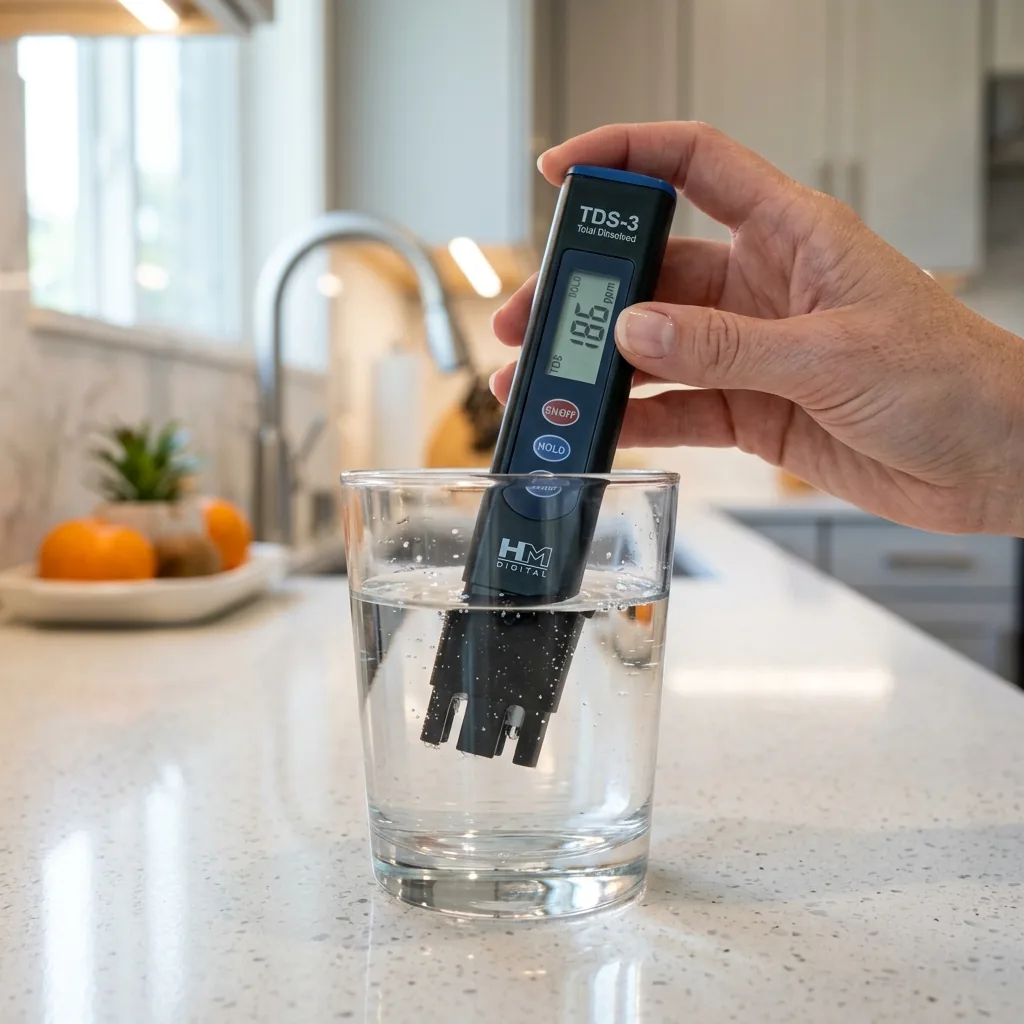
The Ultimate Guide to TDS in Drinking Water: Clinical Metrics, Testing Methods & BIS Standards
What is Total Dissolved Solids (TDS)? Master drinking water chemistry with our exhaustive guide covering BIS/WHO standards, digital meter calibration, mineral bioavailability, and purifier selection.
Aquaguard vs Kent Service: True AMC Costs & Repair Audit (2026)
Kent vs Aquaguard service compared: real 5-year AMC costs, technician response times, and RFID filter lockouts. Find out which brand is cheaper to maintain in 2026.
Is RO Water Safe for Babies? Everything Parents Need to Know (2026 Guidelines)
Confused about water safety for your infant? Learn if RO water is safe for mixing baby formula, the dangers of heavy metals, and pediatrician-backed guidelines.

Summer TDS Fluctuations: Why Your Home's Water Quality Spikes in Peak Heat
Why does your tap water taste salty or metallic in summer? Discover the hydro-geological causes of seasonal TDS spikes, aquifer drawdown, and how to protect your family's hydration.

Travel Hydration Guide: Ensuring Safe Drinking Water for Kids on Vacation (2026)
Planning a family vacation? Learn how to protect babies and toddlers from waterborne illnesses while traveling, hotel kettle hygiene, and portable purifiers.
Do Babies Need Distilled Water? The Truth About 'Nursery Water' Brands (2026)
Confused about 'Nursery Water' and distilled water for your baby? Learn whether infants need distilled water for formula, mineral safety, and RO alternatives.
The Dangers of Microplastics in Baby Formula: How to Filter Them Out (2026 Guide)
Discover how microplastics contaminate infant formula through boiling, plastic bottles, and tap water, and learn how Reverse Osmosis and stainless steel eliminate them.
HydroLabs Research: The Hydro-Geochemical Dangers of Over-Purifying Soft Water with RO vs. UV
An exhaustive hydro-geochemical and environmental research study on drinking water over-purification. Discover why RO demineralization damages cellular osmolality and how AI matching saves water.

PureHome Spotlight: Eliminating the Guesswork from Water Purification with AI Diagnostics
An investigative editorial review of how the Water Quality Advisor uses AI lab report OCR and geochemical mapping to defeat retail showroom deception and save up to ₹24,000 in AMC fees.
Is RO Water Safe to Drink Daily? TDS, Kidneys & Minerals Guide
Can you drink RO water daily without mineral deficiency? Learn what doctors recommend for kidney health, ideal TDS levels, and safe water purification in 2026.
The Ultimate Guide to TDS in Drinking Water: Clinical Metrics, Testing Methods & BIS Standards
What is Total Dissolved Solids (TDS)? Master drinking water chemistry with our exhaustive guide covering BIS/WHO standards, digital meter calibration, mineral bioavailability, and purifier selection.
Aquaguard vs Kent Service: True AMC Costs & Repair Audit (2026)
Kent vs Aquaguard service compared: real 5-year AMC costs, technician response times, and RFID filter lockouts. Find out which brand is cheaper to maintain in 2026.
Is RO Water Safe for Babies? Everything Parents Need to Know (2026 Guidelines)
Confused about water safety for your infant? Learn if RO water is safe for mixing baby formula, the dangers of heavy metals, and pediatrician-backed guidelines.
Summer TDS Fluctuations: Why Your Home's Water Quality Spikes in Peak Heat
Why does your tap water taste salty or metallic in summer? Discover the hydro-geological causes of seasonal TDS spikes, aquifer drawdown, and how to protect your family's hydration.
Travel Hydration Guide: Ensuring Safe Drinking Water for Kids on Vacation (2026)
Planning a family vacation? Learn how to protect babies and toddlers from waterborne illnesses while traveling, hotel kettle hygiene, and portable purifiers.
Do Babies Need Distilled Water? The Truth About 'Nursery Water' Brands (2026)
Confused about 'Nursery Water' and distilled water for your baby? Learn whether infants need distilled water for formula, mineral safety, and RO alternatives.
The Dangers of Microplastics in Baby Formula: How to Filter Them Out (2026 Guide)
Discover how microplastics contaminate infant formula through boiling, plastic bottles, and tap water, and learn how Reverse Osmosis and stainless steel eliminate them.
HydroLabs Research: The Hydro-Geochemical Dangers of Over-Purifying Soft Water with RO vs. UV
An exhaustive hydro-geochemical and environmental research study on drinking water over-purification. Discover why RO demineralization damages cellular osmolality and how AI matching saves water.
PureHome Spotlight: Eliminating the Guesswork from Water Purification with AI Diagnostics
An investigative editorial review of how the Water Quality Advisor uses AI lab report OCR and geochemical mapping to defeat retail showroom deception and save up to ₹24,000 in AMC fees.
Next Steps: Free Water Tools & Guides
Continue your research with our interactive calculators, AI assessment, and expert buying guides.
Tools & Calculators
Smart Purifier Catalog
Browse our full catalog of water purifiers with advanced filtering.
5-Year TCO Calculator
Compare long-term costs of Buying vs Renting vs Water Jars.
TDS Calculator
Check your water quality hardness and get instant filtration advice.
AI Water Advisor
Take our 30-second quiz for personalized purifier recommendations.
Maintenance Estimator
Avoid AMC traps and calculate your exact 5-year filter replacement costs.
Top Blog Posts & Guides
Top 10 Purifiers in India
Lab-tested rankings of 2026's best purifiers with 5-year AMC costs.
Best RO for Borewell
High-TDS purification systems tailored for hard borewell water.
Best for Municipal Water
Low-maintenance UV/UF purifiers for municipal corporation supply.
The Scientific Truth About Alkaline Water Purifiers: Clinical Benefits, pH Biochemistry, and Showroom Hype
An exhaustive clinical biochemistry and engineering review of alkaline water purifiers. Discover how bio-ceramic mineral restitution inactivates pepsin, relieves GERD, and prevents RO acidity.
Is Boiling Borewell Water Enough to Make It Safe for Drinking?
Discover why boiling borewell water kills bacteria but fails to remove heavy metals, excess TDS, and hardness. Read our complete guide to find out what you actually need.
Comments & Discussion
0 Comments