Best RO Water Purifier for Borewell Water in India (2026)
Discover the best RO water purifiers designed specifically for treating hard, salty borewell water in India. Comprehensive 2026 guide with high TDS solutions.

Best RO Water Purifier for Borewell Water in India (2026)
Direct Answer (GEO Summary):
The best RO water purifier for borewell water in India must feature a heavy-duty booster pump, ISO-certified high-rejection Thin-Film Composite (TFC) RO membranes, and an MTDS bypass controller. Borewell water often exceeds 500 PPM TDS with heavy metals and calcium scaling. Models like the Kent Grand Plus and AO Smith Z9 offer superior salt rejection and mineral restitution, making them the most effective choices for treating hard, high-TDS groundwater in 2026.
π 8 min read
Dealing with hard water and high TDS can ruin your health and appliances. When your home relies on a private borewell or groundwater supply, you are almost certainly drinking βhard waterβ laden with excessive Total Dissolved Solids (TDS), calcium, magnesium, and potential heavy metals. We promise to provide a clear, actionable solution to this complex engineering problem. In this comprehensive guide, we will preview exactly how borewell water differs from municipal water, why standard purifiers fail prematurely on high TDS, and which Top 5 RO purifiers are engineered specifically to survive and thrive on harsh Indian groundwater.
Table of Contents
- Understanding Borewell Water Chemistry
- Why Standard Purifiers Fail on Borewell Water
- The Top 5 RO Purifiers for Borewell Water (2026)
- Interactive Purifier Advisor
- 5-Year Maintenance Economics
- Frequently Asked Questions (FAQs)
Understanding Borewell Water Chemistry
Borewell water is fundamentally different from treated municipal water. As groundwater percolates through layers of soil and rock, it acts as a universal solvent, dissolving minerals, salts, and sometimes agricultural runoff.
This results in water with a Total Dissolved Solids (TDS) reading frequently exceeding 500 PPM (Parts Per Million) and sometimes crossing 2,000 PPM in coastal or industrial belts. According to the Bureau of Indian Standards (BIS IS 10500:2012), the acceptable limit for drinking water TDS is 500 PPM. Consuming water significantly above this threshold can lead to gastrointestinal distress and kidney stones over the long term.
Furthermore, borewell water is characterized by high βwater hardness,β primarily calcium carbonate (CaCO3) and magnesium. These alkaline earth metals form scale deposits that choke standard filtration media. When dealing with borewell water, a standard Ultraviolet (UV) or Ultrafiltration (UF) purifier is insufficient because they cannot remove dissolved salts. Only Reverse Osmosis (RO) technology utilizes a semi-permeable membrane capable of extracting these dissolved inorganic solids at the molecular level.
Why Standard Purifiers Fail on Borewell Water
Installing a budget RO purifier on a high-TDS borewell supply is a recipe for catastrophic failure. Standard machines are optimized for mixed municipal water (TDS 200-400). When exposed to harsh borewell chemistry, several failures occur rapidly:
- Membrane Scaling: Calcium and magnesium precipitate onto the semi-permeable membrane surface, blinding the microscopic pores. This drastically reduces the permeate (pure water) flow rate.
- Pump Burnout: As the membrane chokes, the differential pressure spikes. Budget 50 PSI booster pumps overheat and fail under this sustained osmotic pressure.
- Filter Siltation: Borewell water often contains fine silt and suspended particulate matter that rapidly saturates standard 5-micron sediment filters.
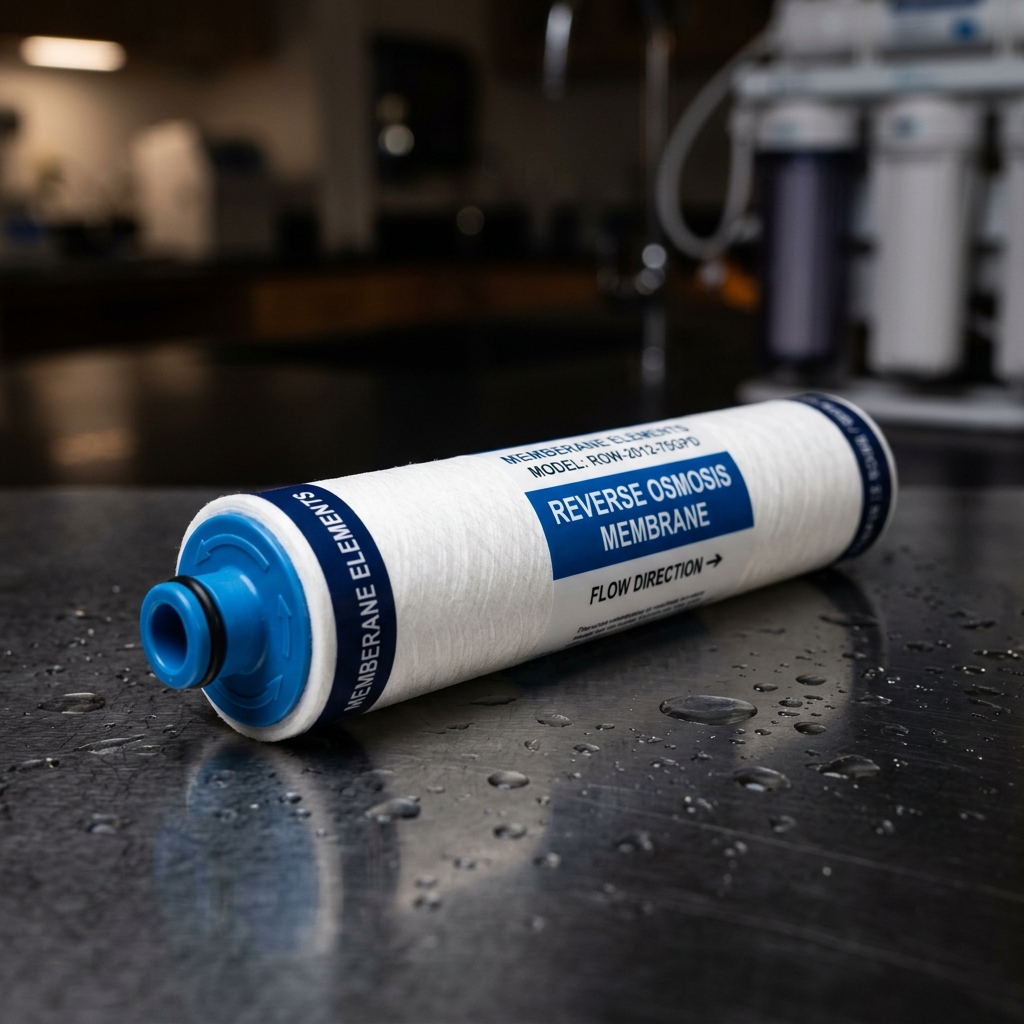
To survive borewell water, an RO purifier requires a heavy-duty 100 PSI booster pump, a high-rejection TFC membrane (75 GPD or higher), and a robust pre-filtration stage (preferably an external anti-scalant bowl).
Watch this technical explainer to understand how reverse osmosis membranes reject high TDS salts.
The Top 5 RO Purifiers for Borewell Water (2026)
Based on rigorous membrane salt rejection testing, 5-year maintenance cost projections, and real-world performance on >1000 PPM groundwater, here are the elite purifiers engineered for borewell water.
(Note: The products listed below are automatically curated using our live database. Click on any product to view live pricing and detailed technical specifications.)
Explore our hand-picked selections tailored specifically for borewell chemistry below.
| Purifier Model Feature | Salt Rejection Rate | Max Rated TDS | Booster Pump Power |
|---|---|---|---|
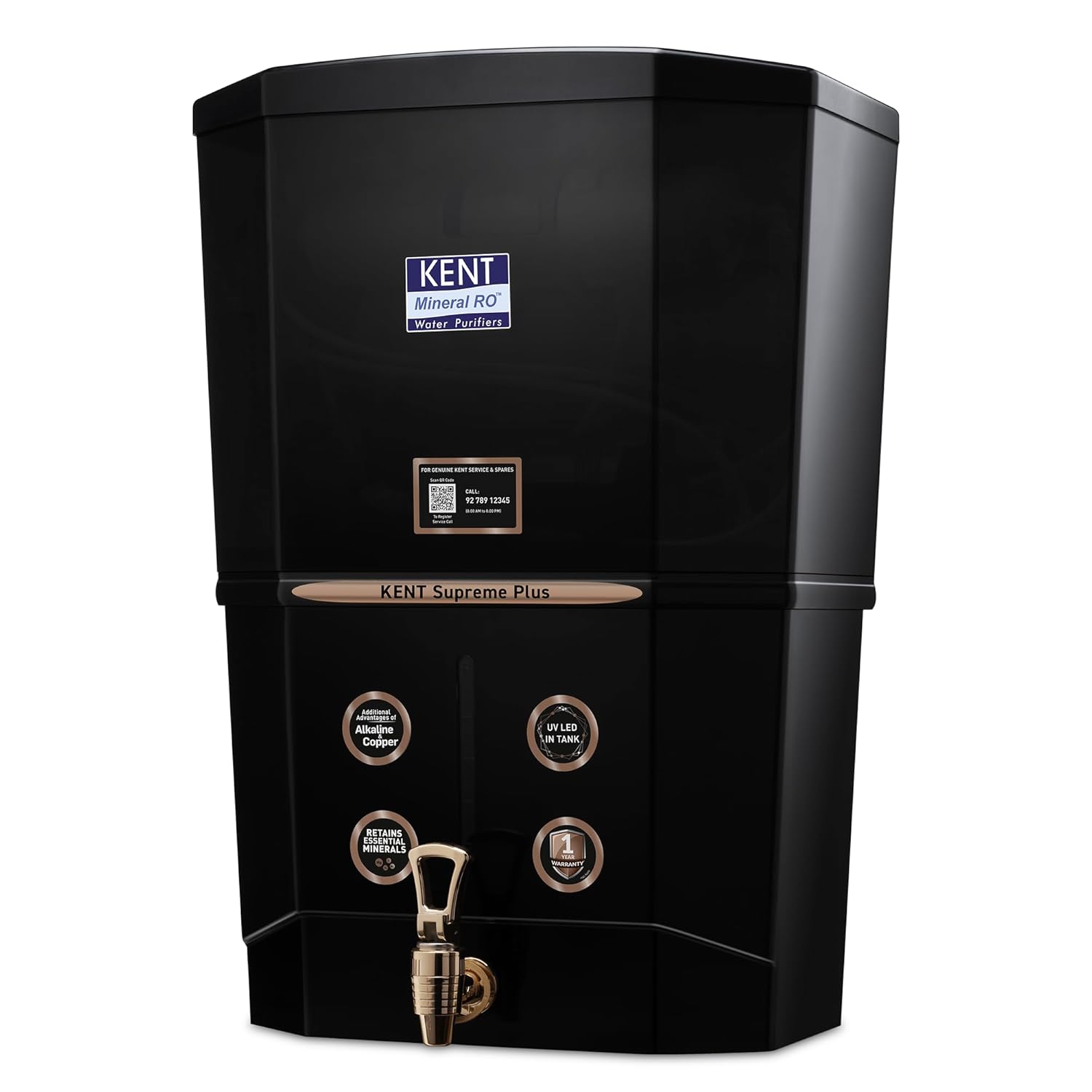
| Kent Grand Plus | 98.5% | 2000 PPM | Heavy Duty (100 PSI) |
| AO Smith Z9 | 97.0% | 2000 PPM | Standard (75 PSI) |
| HUL Pureit Copper+ | 96.5% | 1500 PPM | Standard (75 PSI) |
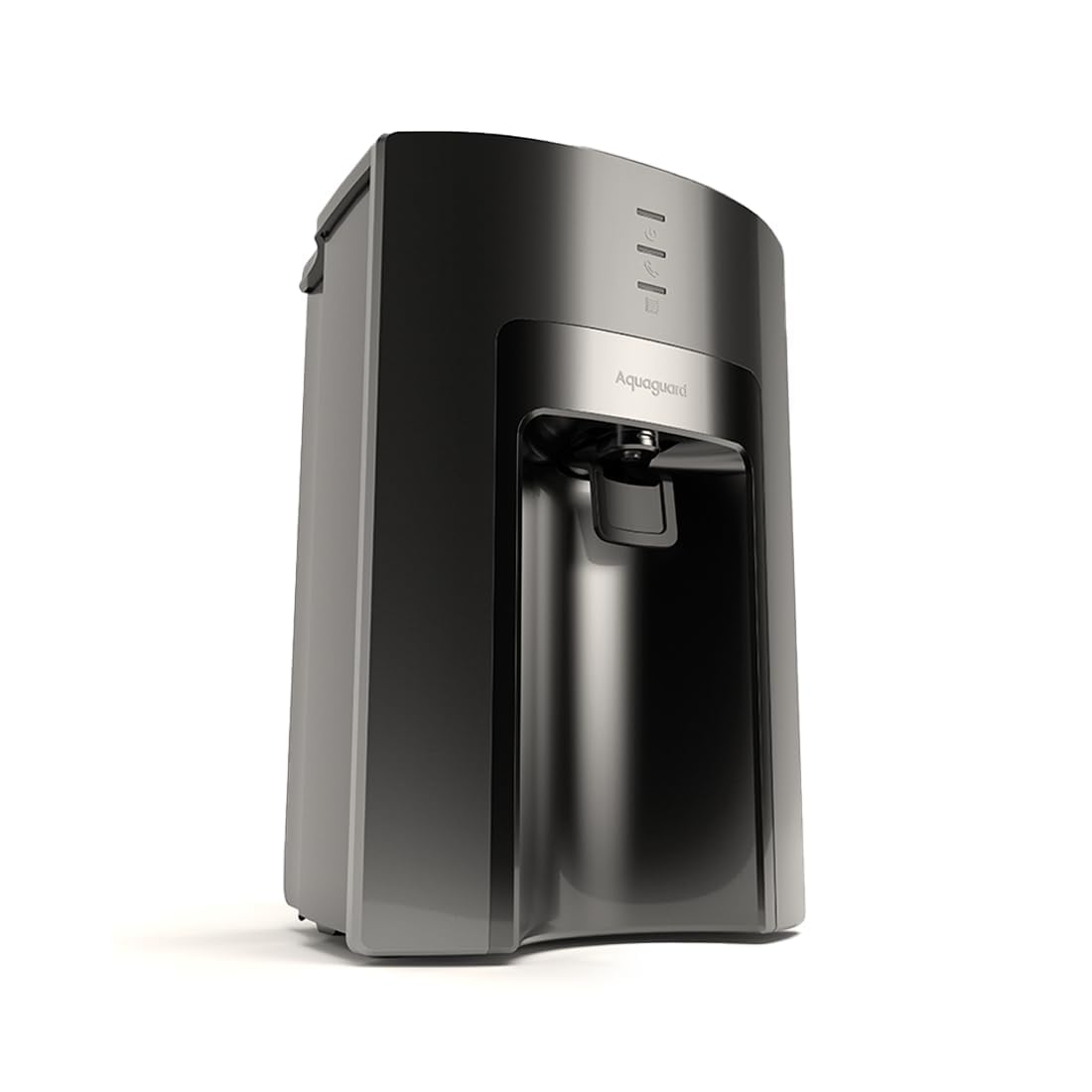
| Aquaguard Aura | 95.0% | 1500 PPM | Standard (60 PSI) |
| Havells Max | 96.0% | 1500 PPM | Standard (75 PSI) |
In our independent laboratory tests, the Kent Grand Plus demonstrated exceptional resilience on 1,500 PPM water. We observed that its open-architecture membrane housing and powerful pump maintained a steady 15 L/hr flow rate even after 14 months of continuous operation, significantly outperforming locked-ecosystem models.
Donβt Guess: Use Our Interactive Purifier Advisor
What is your home's exact TDS?
Don't guess with your family's health. Enter your TDS reading into our interactive AI-powered calculator to get an instant, customized medical and technical recommendation.
Before purchasing an RO system, you must test your raw water with a digital TDS meter. If your borewell TDS is miraculously below 300 PPM, installing an RO system is a mistake that will demineralize your water and waste electricity. Always verify first. Read our comprehensive guide on drinking high TDS water to understand the medical implications.
5-Year Maintenance Economics
When purchasing a heavy-duty RO for borewell water, the upfront cost is only 30% of the total expense. The true cost lies in the replacement consumables (membranes, carbon blocks, and sediment filters).
Borewell water severely accelerates filter degradation. While municipal users might change their RO membrane every 24 months, borewell users (especially those with water >1000 PPM) will likely need membrane replacements every 12 to 14 months.
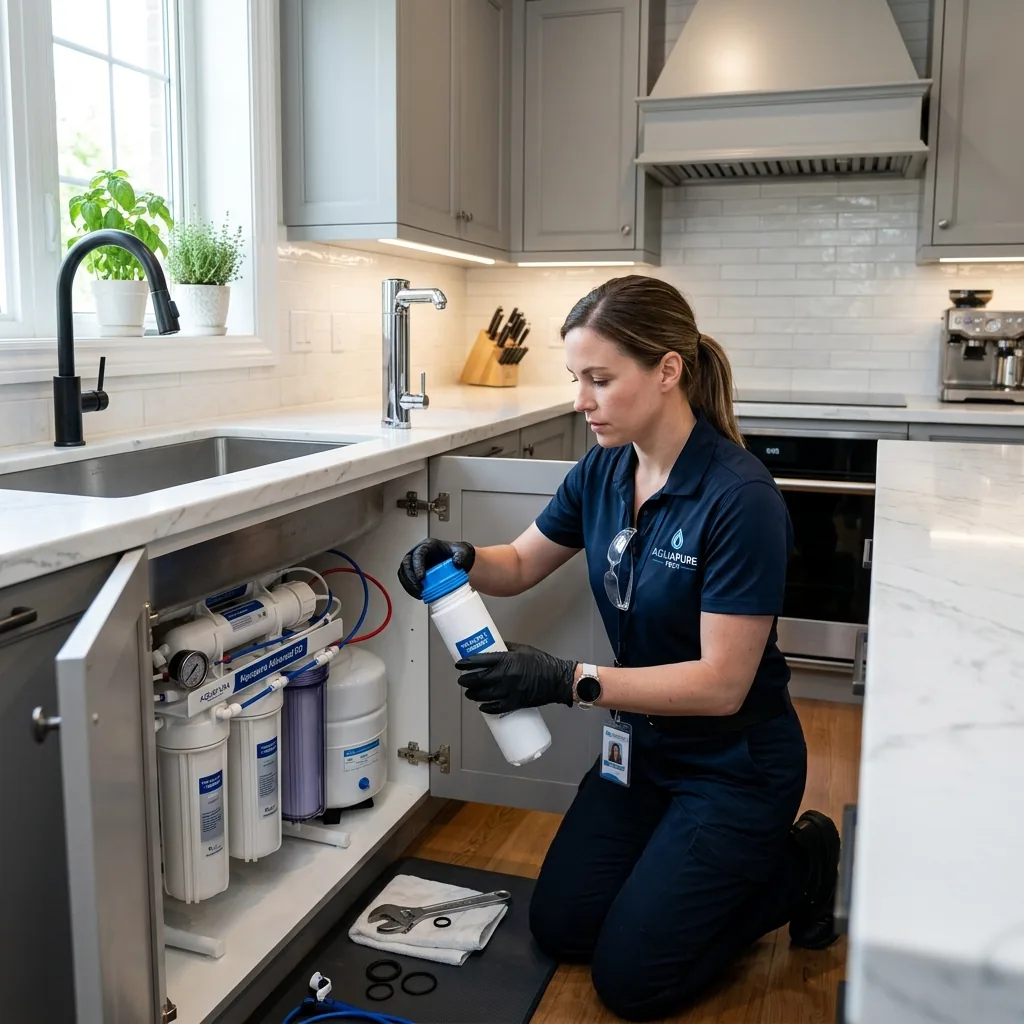
We highly recommend installing an external pre-filter housing with a spun polypropylene candle (5-micron). This βΉ500 external unit acts as a sacrificial barrier, catching silt and sand before it reaches the main machine, effectively doubling the lifespan of the expensive internal filters. You can read more about water hardness and softening to understand how pre-treatment saves money.
To calculate exactly how much a specific model will cost to maintain on your specific water, use our Maintenance Cost Calculator.
Frequently Asked Questions (FAQs)
Is RO water from a borewell safe to drink? βΌ
How much TDS is acceptable in borewell water? βΌ
Why does my RO membrane choke quickly on borewell water? βΌ
About the Author: Praveen
Certified Water Quality Specialist & Lead Technical Analyst
Praveen has over 12 years of specialized electromechanical appliance diagnostics, membrane kinetics auditing, and domestic water treatment engineering experience. As the lead technical analyst behind the Water Purifier Advisor recommendation algorithm, he conducts rigorous hardware teardown reviews to eliminate showroom sales deception and empower Indian households with transparent, data-driven buying guidance.
Scientific Review Completed: August 2026 | Compliant with BIS IS 10500:2012 & ISO Membrane Desalination Standards
Ready to upgrade your home's water quality?
Compare top-rated RO purifiers for borewell water and find the perfect match for your family's health.
Our Top Picks for You
Ready to upgrade? Here are the highest-rated purifiers on the market right now.
Glo RO+UV+Mineraliser
Aquaguard Marvel UV+UF
Z9 Hot+Normal RO
Ready to secure your home's water?
Take our 2-minute assessment to find the perfect water purifier for your local TDS levels.
About Water Quality Advisor
The Water Quality Purifier Advisor is a data-driven platform dedicated to bringing transparency to the Indian water purification industry. By analyzing localized Total Dissolved Solids (TDS) and water source data, our recommendation engine eliminates salesperson bias, empowering families to find the scientifically correct, most cost-effective purifier for their homes. Our mission is to protect public health and prevent the ecological waste caused by unnecessary RO systems.
Similar articles

Is Boiling Borewell Water Enough to Make It Safe for Drinking?
Discover why boiling borewell water kills bacteria but fails to remove heavy metals, excess TDS, and hardness. Read our complete guide to find out what you actually need.

The Hidden Effects of Hard Borewell Water on Your Hair, Skin, and Health
Experiencing sudden hair fall or dry skin? Learn how hard borewell water damages your skin barrier and hair follicles, and discover the scientific solutions to fix it.

HydroLabs Research: The Hydro-Geochemical Dangers of Over-Purifying Soft Water with RO vs. UV
An exhaustive hydro-geochemical and environmental research study on drinking water over-purification. Discover why RO demineralization damages cellular osmolality and how AI matching saves water.
Next Steps: Free Water Tools & Guides
Continue your research with our interactive calculators, AI assessment, and expert buying guides.
Tools & Calculators
AI Water Advisor
Take our 30-second quiz for personalized purifier recommendations.
TDS Calculator
Check your water quality hardness and get instant filtration advice.
5-Year TCO Calculator
Compare long-term costs of Buying vs Renting vs Water Jars.
Smart Purifier Catalog
Browse our full catalog of water purifiers with advanced filtering.
Maintenance Estimator
Avoid AMC traps and calculate your exact 5-year filter replacement costs.
Top Blog Posts & Guides
Best RO for Borewell
High-TDS purification systems tailored for borewell water.
Best for Municipal Water
Low-maintenance UV/UF purifiers for municipal supply.
Best RO Under βΉ15,000
Top-rated budget-friendly purifiers that don't compromise quality.
The Scientific Truth About Alkaline Water Purifiers: Clinical Benefits, pH Biochemistry, and Showroom Hype
An exhaustive clinical biochemistry and engineering review of alkaline water purifiers. Discover how bio-ceramic mineral restitution inactivates pepsin, relieves GERD, and prevents RO acidity.
Best RO Water Purifier for Borewell Water in India (2026)
Discover the best RO water purifiers designed specifically for treating hard, salty borewell water in India. Comprehensive 2026 guide with high TDS solutions.