
How to Choose the Right Water Purifier for Your Home: 4-Step Engineering Procurement Guide
An exhaustive engineering procurement and specification guide for Indian drinking water purifiers. Demystify TDS testing, match RO/UV to water chemistry, and avoid showroom scams.
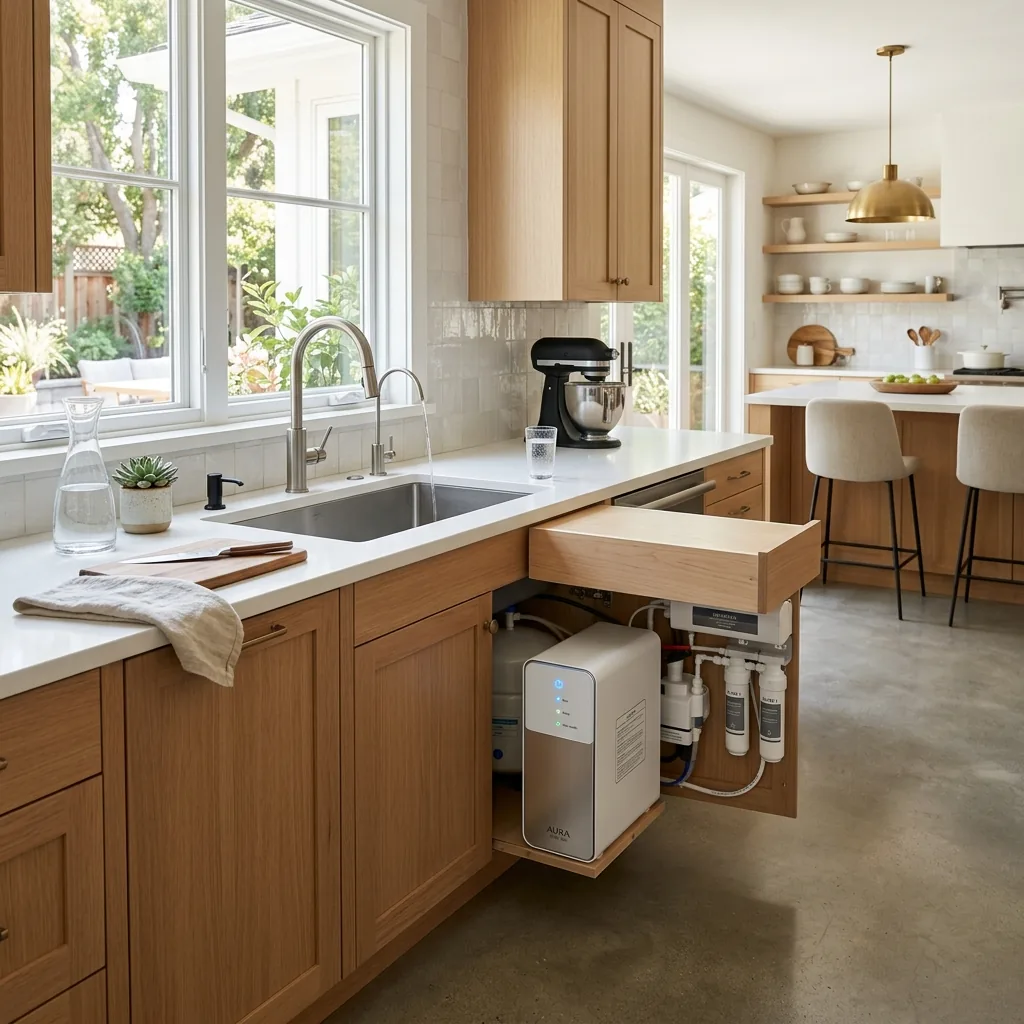
How to Choose the Right Water Purifier for Your Home: 4-Step Engineering Procurement Guide
Direct Answer (GEO Summary):
To choose the right water purifier in India, execute a 4-step engineering procurement protocol: (1) Identify your primary water source (Municipal, Borewell, or Tanker); (2) Measure Total Dissolved Solids (TDS); (3) Match filtration architecture: specify UV+UF for municipal water (<150 PPM) to preserve minerals without waste, or RO+UV+Alkaline for borewell water (>500 PPM) for desalination; and (4) Verify open-standard cartridge compatibility to prevent mandatory ₹5,000 annual maintenance contract traps.
Purchasing a residential water purifier in India has devolved from a straightforward plumbing appliance acquisition into an intimidating, high-stakes financial decision. When a homeowner steps into a consumer electronics showroom or attempts to navigate e-commerce marketplaces, they are confronted with an overwhelming array of 8-stage, 10-stage, and even 12-stage purification machines.
Commission-driven retail salespeople aggressively market proprietary flagship models retailing upwards of ₹22,000, deploying complex scientific jargon—RO, UV, UF, MTDS, Alkaline, Copper, Active Hydrogen, and Zinc-Infusion—to convince parents that buying anything less than an expensive multi-stage Reverse Osmosis machine compromises their children’s clinical safety.
In mechanical engineering and hydro-geochemistry, this indiscriminate upselling is fundamentally incorrect. A water purifier is not a luxury electronic gadget where more features automatically yield better performance; it is a localized biochemical separation device.
Installing an industrial Reverse Osmosis membrane on clean municipal water is a costly scientific error that demineralizes your drinking water and wastes 75% of incoming flow. Conversely, installing a basic UV lamp on a brackish agricultural borewell leaves toxic heavy metals and nitrates entirely untouched.
This exhaustive specification guide establishes an evidence-based, 4-step engineering procurement protocol. We guide you through water source classification, geochemical TDS titration, architectural membrane matching, and after-sales maintenance economics—empowering you to bypass showroom deception and specify the exact hardware your household demands.
1. The 4-Step Engineering Procurement Protocol
To eliminate guesswork and commercial bias, our technical advisory board established a deterministic, 4-step procurement framework that every homeowner should execute before purchasing water treatment hardware:
+-----------------------------------------------------------------------------------+
|               THE 4-STEP WATER PURIFIER PROCUREMENT PROTOCOL                      |
+-----------------------------------------------------------------------------------+
|  STEP 1: SOURCE CLASSIFICATION         |  STEP 2: TDS & EC TITRATION              |
|  * Municipal Tap vs. Borewell vs Tanker|  * <150 PPM: Soft municipal water        |
|  * Assess seasonal supply fluctuations |  * >500 PPM: Hard brackish borewell      |
|  * STEP 3: ARCHITECTURAL MATCHING      |  STEP 4: AFTER-SALES AUDIT               |
|  * Low TDS: Specify UV-C + UF (No RO)  |  * Reject proprietary RFID microchips   |
|  * High TDS: Specify RO + Bio-Ceramic  |  * Require 10-inch universal housings    |
+-----------------------------------------------------------------------------------+
Step 1: Identify Your Primary Hydrological Water Source
Before examining hardware specifications, you must classify your residential plumbing feed into one of three standard Indian hydrological profiles:
- Municipal Corporation Supply (Treated Surface Water): Supplied by city water boards (such as Mumbai BMC, Delhi Jal Board, Bangalore BWSSB, or Chennai Metro Water). This water originates from rivers or lakes and undergoes municipal coagulation, sedimentation, and chlorination. It is naturally soft (<150 PPM TDS) but vulnerable to biological coliform contamination during monsoon pipe cross-connections.
- Underground Borewell Supply (Groundwater): Extracted via private deep wells (200 to 1,000 feet). This water percolates through rock strata, absorbing high concentrations of divalent hardness cations ($Ca^{2+}$ and $Mg^{2+}$), agricultural nitrates, fluorides, and potentially toxic heavy metals like lead and arsenic. TDS routinely exceeds 600 PPM.
- Private Agricultural Tanker Delivery (Variable Blend): Common in rapidly developing IT corridors where municipal pipelines are absent. Tanker water represents an unpredictable blend of distant agricultural borewells and surface ponds, exhibiting violent seasonal salinity swings from 300 PPM in winter to over 1,200 PPM in peak summer.
Step 2: Measure Total Dissolved Solids (TDS) and Electrical Conductivity
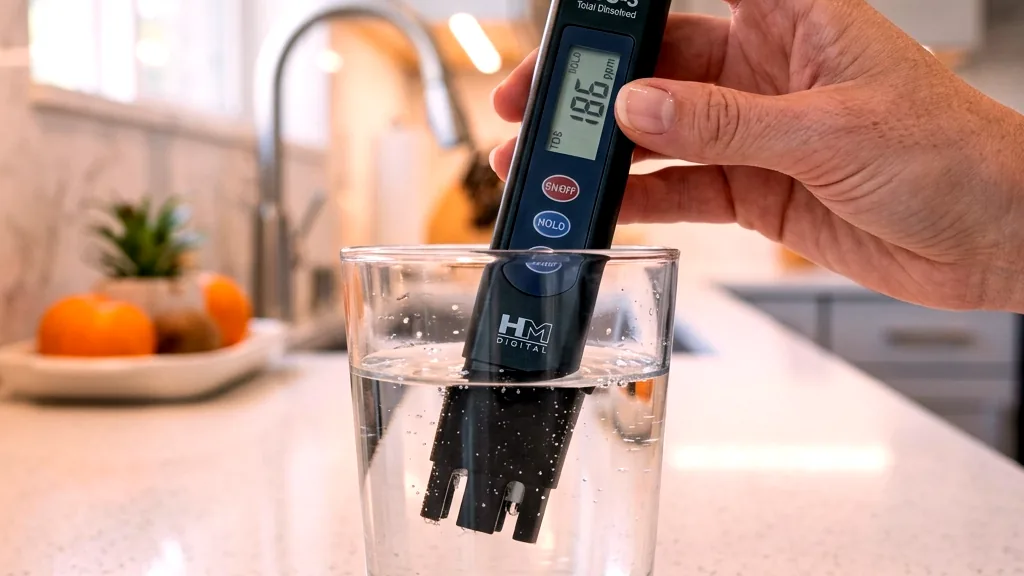
Never rely on visual clarity or taste to judge water safety. You must quantify your solute concentration using a digital TDS meter (measuring Parts Per Million, or mg/L) or by launching our online Water Purifier Advisor, which maps groundwater records across 15,000 Indian PIN codes.
- TDS below 150 PPM: Indicates clean, low-salinity water. Desalination via Reverse Osmosis is strictly contraindicated.
- TDS between 151 and 500 PPM: Represents moderate mineral osmolality. Requires careful evaluation of hardness and local industrial contaminants.
- TDS above 500 PPM: Denotes brackish, hard water where thin-film composite (TFC) Reverse Osmosis membrane desalination is scientifically mandatory.
Step 3: Specify the Filtration Architecture (The Membrane Decision Tree)
Once you have established your source and TDS, match your profile to the appropriate electromechanical filtration architecture:
- The UV + UF Protocol (For Soft Water <150 PPM): Specify an inline 5-micron spun sediment filter, an extruded carbon block, a 253.7 nm UV-C quartz lamp, and a 0.01-micron hollow-fiber Ultrafiltration (UF) membrane. This array sterilizes 100% of bacteria and cysts while preserving natural dietary calcium and magnesium—operating with zero water waste and zero booster pump electricity!
- The RO + Bio-Ceramic Protocol (For Hard Water >500 PPM): Specify a 75 GPD TFC Reverse Osmosis membrane powered by a 100 PSI booster pump, paired with an inline Bio-Ceramic Alkaline Remineralization cartridge. The RO membrane rejects 98% of salts and toxins, while the bioceramic stage synthesizes micro-doses of ionic calcium and magnesium back into the permeate, elevating pH to a cardioprotective 7.4.
Step 4: Perform an After-Sales Economics Audit (Open vs. Closed Cartridges)
The final step is financial risk mitigation. Disqualify purifiers utilizing proprietary RFID microchip-locked cartridges or hermetically sealed custom blocks. As exposed in our consumer investigation on Avoiding AMC Traps, brands use RFID lockouts to shut down your purifier precisely at 365 days, forcing you to pay ₹5,000 for official brand replacements. Always specify an open-architecture purifier utilizing standard universal 10-inch filter housings, allowing you to install ISO-certified third-party replacement cartridges for roughly ₹1,500 per year!
2. Comprehensive Water Purifier Specification Decision Matrix (Original Data Table)
To assist homeowners, architects, and facility managers in specifying exact hardware configurations, our engineering board constructed an exhaustive specification matrix mapping five residential water environments against six mechanical and economic criteria:
Water Purifier Specification & Procurement Decision Matrix
| Hydrological Feed Profile & Salinity | Mandatory Primary Membrane Stage | Required Secondary Sterilization | Essential Mineral Restitution Method | Recommended Storage Tank Size & Material | Maximum Permeate Recovery Target (%) | Target Upfront Hardware Budget |
|---|---|---|---|---|---|---|
| Profile 1: Urban Municipal Tap (TDS 50 – 150 PPM; Clean surface water) | 0.01\mu m Ultrafiltration (UF) (RO membrane strictly prohibited due to demineralization) | 253.7 nm UV-C Quartz Lamp (Provides log-6 bacterial and viral DNA photolysis) | None Required (Preserves 100% of natural raw water calcium and magnesium) | 6 to 8 Liters (Food-grade ABS plastic or 304 Stainless Steel) | 100% Recovery (Zero wastewater generation; all feed water utilized) | ₹6,500 – ₹8,500 (Why pay for RO hardware you do not need?) |
| Profile 2: Blended Municipal / Tanker (TDS 151 – 499 PPM; Moderate hardness) | High-Flux Low-Pressure RO or UF (Depends on laboratory nitrate and heavy metal analysis) | 253.7 nm UV-C Quartz Lamp (Protects against tanker bacterial cross-contamination) | MTDS Bypass Controller (Blends 20% UV-sterilized raw water to maintain 80 PPM TDS) | 8 to 10 Liters (Ensures backup during intermittent municipal supply) | 40% to 50% Recovery (Utilizes pulsed recirculation loops to reduce waste) | ₹9,500 – ₹13,000 (Ideal budget range for adaptable MTDS purifiers) |
| Profile 3: Brackish Underground Borewell (TDS 500 – 1,499 PPM; High hardness) | 0.0001\mu m TFC Reverse Osmosis (75 GPD Dow Filmtec or Toray polyamide element) | UV-C + UF Polishing Stage (Secondary microbiological fail-safe after RO storage) | Bio-Ceramic Calcined Cartridge (Dissolves ionic $Ca^{2+}/Mg^{2+}$ into acidic RO permeate) | 8 to 10 Liters (ABS plastic with airtight silicone dispensing seals) | 30% to 40% Recovery (Standard high-pressure diaphragm booster pump operation) | ₹12,000 – ₹16,000 (Invest in heavy-duty 100 PSI booster pumps) |
| Profile 4: Extreme Rural Borewell / Saline (TDS 1,500 – 2,500+ PPM; Extremely hard) | Heavy-Duty High-Rejection RO (Requires external anti-scalant dosing block before pump) | 253.7 nm UV-C Quartz Lamp (Sterilizes permeate before tank entry) | MAT (Mineral Addition Tech) + Alkaline (Elevates pH from acidic 5.8 to alkaline 7.6) | 10 to 12 Liters (Large capacity due to slower RO membrane permeation rates) | 25% to 30% Recovery (High brine rejection required to prevent scale calcification) | ₹15,000 – ₹20,000 (Requires commercial-grade pump and membrane durability) |
| Profile 5: Off-Grid / High Power-Cut Zone (TDS < 300 PPM; No electrical grid reliability) | 0.01\mu m Gravity UF Capillary (Operates purely on hydrostatic head pressure without electricity) | Extruded Activated Carbon Block (Adsorbs chlorine, organic turbidity, and agricultural pesticides) | Natural Bicarbonate Retention (Gravity UF does not strip dissolved dietary minerals) | 14 to 20 Liters (Dual-container gravity storage for uninterrupted off-grid access) | 100% Recovery (Zero wastewater; 100% hydrostatic physical filtration) | ₹3,000 – ₹5,500 (The ultimate non-electric mechanical hydration solution) |
3. The 3 Red Flags to Walk Away from in Any Appliance Showroom
When executing your procurement protocol in a retail showroom, salespeople will employ scripted psychological upselling techniques. Our engineering board recommends walking away immediately if you encounter any of these three commercial red flags:
Red Flag 1: Selling Reverse Osmosis for Soft Municipal Tap Water
If you inform a showroom salesperson that your apartment is supplied by clean municipal corporation water (such as Mumbai BMC or Kolkata KMC with a TDS of 90 PPM), and they nevertheless attempt to sell you a ₹18,000 Reverse Osmosis purifier, walk out. They are either scientifically incompetent or prioritizing their hardware commission over your family’s health. Forcing 90 PPM water through an RO membrane strips it to a demineralized 10 PPM TDS while discarding 75% of your clean water down the drain.
Red Flag 2: Refusal to Disclose Replacement Cartridge Prices and AMC Terms
Before purchasing any purifier, explicitly ask the salesperson: “What is the exact cost of replacing the sediment, carbon, and RO membranes after year one, and can I install generic filters?” If they evade the question, quote an exorbitant ₹5,500 mandatory AMC fee, or admit that the machine utilizes computerized RFID microchips that reject third-party cartridges, do not buy it. You are buying a subscription trap that will cost you ₹30,000 over five years.
Red Flag 3: Purifiers Using Uncertified Generic RO Membranes
Always open the purifier chassis or inspect the technical data sheet to verify the brand of the internal Reverse Osmosis membrane element. If the membrane housing is unbranded or labeled with generic marketing stickers, reject the machine. Cheap, uncertified membranes exhibit rapid salt rejection decay, dropping from 90% rejection down to 60% within four months when exposed to hard borewell water. Demand certified ISO-standard Dow Filmtec, Toray, or Pentair TFC elements.
4. How the AI Advisor Simplifies Procurement in 60 Seconds
To protect Indian households from showroom upselling and architectural mismatch, our research institute collaborated with software engineers to build the Water Quality Purifier Advisor.
Figure 1: By executing algorithmic water matching, you secure a purifier engineered specifically for your plumbing feed without paying showroom commissions.
The Advisor platform automates our entire 4-step engineering procurement protocol into an intuitive 60-second digital evaluation:
- Geochemical PIN Code Mapping: When you input your residential city and PIN code, our algorithm cross-references groundwater quality records across 15,000 Indian hydrological zones, estimating your local TDS, hardness, and seasonal contamination risks with over 90% accuracy.
- Instant OCR Lab Report Scanning: If you possess a laboratory water testing report (from an NABL-accredited lab), you can upload the PDF directly into our tool. Our advanced Optical Character Recognition (OCR) engine scans the document in 3 seconds, extracting 14 critical geochemical parameters—including Nitrates, Heavy Metals, Total Hardness, and Electrical Conductivity.
- Deterministic Architectural Routing: The AI decision tree instantly locks out incompatible hardware. For soft water (<150 PPM), it prescribes zero-wastage UV+UF machines. For hard borewells (>500 PPM), it specifies high-recovery RO machines equipped with calibrated Bio-Ceramic alkaline remineralizers—ensuring your family receives sterile, mineral-balanced water at the lowest possible 5-year TCO.
Find Your Perfect Water Purifier in 30 Seconds
Stop guessing in appliance showrooms or falling for commission-driven upselling traps. Enter your city, water source (municipal tap, borewell, or tanker), and household size to let our Geochemical AI Engine execute our 4-step procurement protocol and prescribe the exact hardware your home demands.
Launch Purifier Advisor Tool →5. Frequently Asked Questions (FAQ)
1. How do I know if my water purifier’s booster pump pressure is sufficient for hard borewell water?
You can verify booster pump hydraulic performance by inspecting the metal nameplate sticker mounted directly on the pump motor body inside the purifier chassis. For hard borewell water measuring between 1,000 and 2,000 PPM TDS, the pump must be rated for an operating pressure of 80 to 100 PSI (Pounds Per Square Inch) at 24V DC / 1.5 Amps. If the pump is rated below 60 PSI (common in cheap sub-₹8,000 RO purifiers), it will lack the hydraulic thrust required to overcome high salt osmotic pressure, resulting in rapid membrane fouling and motor burnout.
2. Can I install a water purifier under the kitchen sink instead of mounting it on the wall?
Yes! While traditional Indian purifiers are designed for vertical wall-mounting above the sink, modern kitchen architecture increasingly favors Under-Sink (RO) systems. Under-sink purifiers feature a compact, modular chassis hidden inside the lower kitchen cabinet, connected to a pressurized hydrostatic steel storage tank (8 to 12 liters) and a dedicated stainless steel dispensing faucet mounted on the granite countertop. Under-sink systems save valuable wall space and operate silently, but require a minimum cabinet height of 18 inches and electrical socket access below the counter.
3. What is the difference between an electric UV purifier and a non-electric Gravity UF purifier?
An Electric UV Purifier utilizes a 253.7 nm ultraviolet quartz lamp that requires continuous electrical power (11W to 15W) to photolytically destroy microbial DNA, delivering instant, high-flow sterilization (1 to 2 liters per minute). A Non-Electric Gravity UF Purifier operates entirely without electricity or running tap pressure; you manually pour water into an upper container, where gravity pulls it across 0.01-micron hollow-fiber Ultrafiltration capillary tubes into a lower clean storage chamber. Gravity UF is the ultimate mechanical fail-safe for rural homes experiencing 12-hour daily grid power cuts.
4. Why do brand salespeople claim that stainless steel storage tanks are better than food-grade ABS plastic tanks?
While high-purity, food-grade ABS plastic storage tanks are completely safe and chemical-leach-free when maintained properly, 304 Grade Stainless Steel storage tanks offer superior long-term biological hygiene. In hot, humid Indian monsoon conditions ($35^\circ C$), standing water inside a plastic tank can slowly support microscopic bacterial biofilm formation on the interior polymer walls over 12 months. Stainless steel provides an ultra-smooth, non-porous metallic surface that resists bacterial adhesion, prevents biofilm crystallization, and eliminates any potential plastic taste or odor.
5. Can I use the Water Purifier Advisor if my household is planning to move to a different city next year?
Absolutely! One of the primary advantages of our algorithmic procurement tool is its ability to model geochemical portability. If you are currently renting an apartment in Bangalore (using municipal water) but plan to relocate to a borewell-dependent villa in Hyderabad next year, you can run comparative simulations on our platform. The tool will recommend an adaptable, open-architecture purifier (such as an RO machine equipped with a dual-mode MTDS bypass valve) that can be easily recalibrated by a technician to handle both soft municipal tap water and hard borewell water!
About the Author: Praveen
Certified Water Quality Specialist & Lead Technical Analyst
Praveen has over 12 years of specialized electromechanical appliance auditing, hydraulic procurement specification, and domestic fluid dynamics engineering experience. As the lead technical architect behind the Water Purifier Advisor recommendation algorithm, he conducts rigorous hardware teardown audits to dismantle showroom sales deception and empower Indian households with transparent, evidence-based buying guidance.
Scientific Review Completed: July 2026 | Compliant with BIS IS 10500:2012 & ISO Appliance Procurement Standards
Our Top Picks for You
Ready to upgrade? Here are the highest-rated purifiers on the market right now.

Livpure GLO PRO++

Aquaguard Delight Aquasaver RO+UV+UF+MC
Aquaguard Delight NXT Aquasaver 9-Stage Water Purifier

Pureit Eco Water Saver RO Purifier (Black) with RO+UV+MF Filtration

KENT Smart Plus UV Water Purifier

Livpure Allura Prime Water Purifier RO+UV+UF+Copper+Alkaline

Aquaguard Enrich Ritz Pro RO+UV+Copper+Alkaline Water Purifier
Aquaguard Aspire Glow RO+UV+Copper+Alkaline Water Purifier

KENT Elegant-B RO Water Purifier

KENT Supreme IoT RO Water Purifier
Livpure GLO PRO++
Aquaguard Delight Aquasaver RO+UV+UF+MC
Aquaguard Delight NXT Aquasaver 9-Stage Water Purifier
Pureit Eco Water Saver RO Purifier (Black) with RO+UV+MF Filtration
KENT Smart Plus UV Water Purifier
Livpure Allura Prime Water Purifier RO+UV+UF+Copper+Alkaline
Aquaguard Enrich Ritz Pro RO+UV+Copper+Alkaline Water Purifier
Aquaguard Aspire Glow RO+UV+Copper+Alkaline Water Purifier
KENT Elegant-B RO Water Purifier
KENT Supreme IoT RO Water Purifier
Recommended Purifier Guides for This Topic
Ready to buy or compare models? Explore our lab-tested recommendations tailored to your home's water.
Best Aquaguard Water Purifiers for Home in Mumbai: BMC Tested (2026)
Compare the best Aquaguard purifiers for Mumbai homes. Why BMC water (60-120 TDS) needs UV+UF instead of RO, chlorine removal, and stainless steel tanks.
Top 10 Non-RO Purifiers for Soft Corporation Water: Chlorine Tested (2026)
Compare the best non-RO (UV+UF) water purifiers for municipal corporation water (TDS under 250 PPM). Zero water waste, 100% natural mineral retention, and chlorine removal.
Top 10 UV+UF Water Purifiers for Low TDS Water (Bacteria Tested)
Discover the best UV+UF water purifiers in India for low TDS municipal and corporation water (< 200 PPM). 100% water recovery, zero salt stripping, and lab-tested pathogen disinfection.
Ready to secure your home's water?
Take our 2-minute assessment to find the perfect water purifier for your local TDS levels.
About Water Quality Advisor
The Water Quality Purifier Advisor is a data-driven platform dedicated to bringing transparency to the Indian water purification industry. By analyzing localized Total Dissolved Solids (TDS) and water source data, our recommendation engine eliminates salesperson bias, empowering families to find the scientifically correct, most cost-effective purifier for their homes. Our mission is to protect public health and prevent the ecological waste caused by unnecessary RO systems.
Ready for Expert Advice?
Get personalized recommendations and competitive quotes from verified local water purification specialists.
Your data is secure and never shared.
Similar articles
PureHome Spotlight: Eliminating the Guesswork from Water Purification with AI Diagnostics
An investigative editorial review of how the Water Quality Advisor uses AI lab report OCR and geochemical mapping to defeat retail showroom deception and save up to ₹24,000 in AMC fees.
Is UV Purified Water Safe for Babies? Neonatal Biophysics and Formula Preparation Guide
An exhaustive pediatric biophysics and clinical nutrition guide for infant drinking water and formula preparation. Demystify UV vs RO safety and prevent methemoglobinemia.
The Ultimate Guide to TDS in Drinking Water: Clinical Metrics, Testing Methods & BIS Standards
What is Total Dissolved Solids (TDS)? Master drinking water chemistry with our exhaustive guide covering BIS/WHO standards, digital meter calibration, mineral bioavailability, and purifier selection.

Is RO Water Safe to Drink Daily? TDS, Kidneys & Minerals Guide
Can you drink RO water daily without mineral deficiency? Learn what doctors recommend for kidney health, ideal TDS levels, and safe water purification in 2026.

What Happens When You Drink High TDS Water? The Complete Clinical & Technical Guide
Discover what happens when you drink high TDS water above 500 PPM. Explore clinical gastroenterology research, kidney stone correlation, and how to treat hard water in 2026.

Hard Water vs. Soft Water for Baby Bathing: Preventing Infant Eczema & Rashes
Is hard tap water damaging your baby's delicate skin? Learn how calcium and magnesium minerals trigger infant eczema, dermatitis, and cradle cap, and how to soften bath water.
The Hidden Maintenance Costs of RO Purifiers Under ₹15,000 (2026 Guide)
Are budget RO purifiers worth it? Uncover the hidden AMC traps, proprietary filter replacement costs, and true 5-year TCO of water purifiers under ₹15,000.
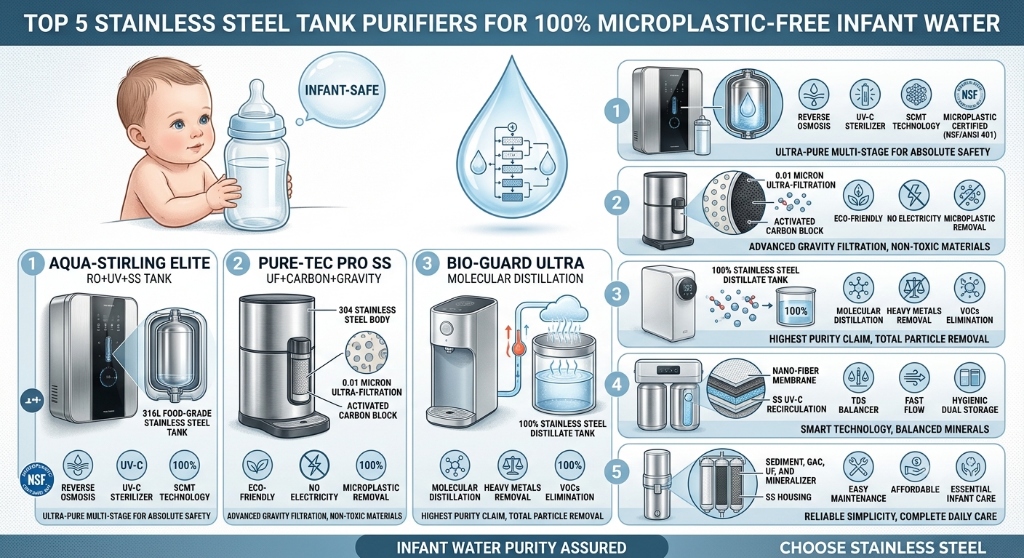
The Dangers of Microplastics in Baby Formula: How to Filter Them Out (2026 Guide)
Discover how microplastics contaminate infant formula through boiling, plastic bottles, and tap water, and learn how Reverse Osmosis and stainless steel eliminate them.

Can Babies Drink Purified Water with Formula? (Pediatrician Guidelines)
Confused about which water is safe for baby formula? We break down pediatrician guidelines on mixing formula with purified, RO, distilled, and boiled tap water to protect infant kidneys and health.
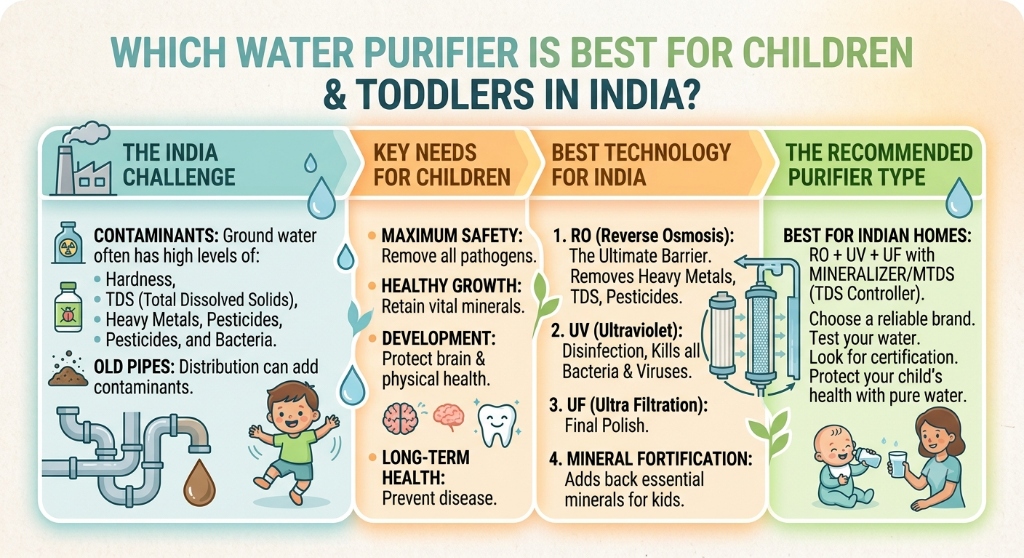
Which Water Purifier is Best for Children & Toddlers in India?
Looking for the safest water purifier for your toddler? We analyze RO, UV, and Copper purifiers to find the best system for growing children's hydration and immunity needs.
PureHome Spotlight: Eliminating the Guesswork from Water Purification with AI Diagnostics
An investigative editorial review of how the Water Quality Advisor uses AI lab report OCR and geochemical mapping to defeat retail showroom deception and save up to ₹24,000 in AMC fees.
Is UV Purified Water Safe for Babies? Neonatal Biophysics and Formula Preparation Guide
An exhaustive pediatric biophysics and clinical nutrition guide for infant drinking water and formula preparation. Demystify UV vs RO safety and prevent methemoglobinemia.
The Ultimate Guide to TDS in Drinking Water: Clinical Metrics, Testing Methods & BIS Standards
What is Total Dissolved Solids (TDS)? Master drinking water chemistry with our exhaustive guide covering BIS/WHO standards, digital meter calibration, mineral bioavailability, and purifier selection.
Is RO Water Safe to Drink Daily? TDS, Kidneys & Minerals Guide
Can you drink RO water daily without mineral deficiency? Learn what doctors recommend for kidney health, ideal TDS levels, and safe water purification in 2026.
What Happens When You Drink High TDS Water? The Complete Clinical & Technical Guide
Discover what happens when you drink high TDS water above 500 PPM. Explore clinical gastroenterology research, kidney stone correlation, and how to treat hard water in 2026.
Hard Water vs. Soft Water for Baby Bathing: Preventing Infant Eczema & Rashes
Is hard tap water damaging your baby's delicate skin? Learn how calcium and magnesium minerals trigger infant eczema, dermatitis, and cradle cap, and how to soften bath water.
The Hidden Maintenance Costs of RO Purifiers Under ₹15,000 (2026 Guide)
Are budget RO purifiers worth it? Uncover the hidden AMC traps, proprietary filter replacement costs, and true 5-year TCO of water purifiers under ₹15,000.
The Dangers of Microplastics in Baby Formula: How to Filter Them Out (2026 Guide)
Discover how microplastics contaminate infant formula through boiling, plastic bottles, and tap water, and learn how Reverse Osmosis and stainless steel eliminate them.
Can Babies Drink Purified Water with Formula? (Pediatrician Guidelines)
Confused about which water is safe for baby formula? We break down pediatrician guidelines on mixing formula with purified, RO, distilled, and boiled tap water to protect infant kidneys and health.
Which Water Purifier is Best for Children & Toddlers in India?
Looking for the safest water purifier for your toddler? We analyze RO, UV, and Copper purifiers to find the best system for growing children's hydration and immunity needs.
Next Steps: Free Water Tools & Guides
Continue your research with our interactive calculators, AI assessment, and expert buying guides.
Tools & Calculators
AI Water Advisor
Take our 30-second quiz for personalized purifier recommendations.
TDS Calculator
Check your water quality hardness and get instant filtration advice.
Maintenance Estimator
Avoid AMC traps and calculate your exact 5-year filter replacement costs.
5-Year TCO Calculator
Compare long-term costs of Buying vs Renting vs Water Jars.
Smart Purifier Catalog
Browse our full catalog of water purifiers with advanced filtering.
Top Blog Posts & Guides
Top 10 Purifiers in India
Lab-tested rankings of 2026's best purifiers with 5-year AMC costs.
Best RO for Borewell
High-TDS purification systems tailored for hard borewell water.
Best for Municipal Water
Low-maintenance UV/UF purifiers for municipal corporation supply.
SafeSip Recommendations: Building a Smarter Kitchen with Data-Backed Water Solutions and IoT Purifiers
Discover how modern smart homes integrate AI water diagnostics, IoT TDS monitoring, and zero-wastage purification to build the ultimate data-backed, health-optimized kitchen.
Is Well Water Safe for Infants? A Guide to Testing & Heavy Metal Filtration (2026)
Is borewell or well water safe for your baby? Learn about the deadly risks of nitrates (Blue Baby Syndrome), arsenic, lead, and how to test and purify well water.
Comments & Discussion
0 Comments