
Hard Water vs. Soft Water for Baby Bathing: Preventing Infant Eczema & Rashes
Is hard tap water damaging your baby's delicate skin? Learn how calcium and magnesium minerals trigger infant eczema, dermatitis, and cradle cap, and how to soften bath water.
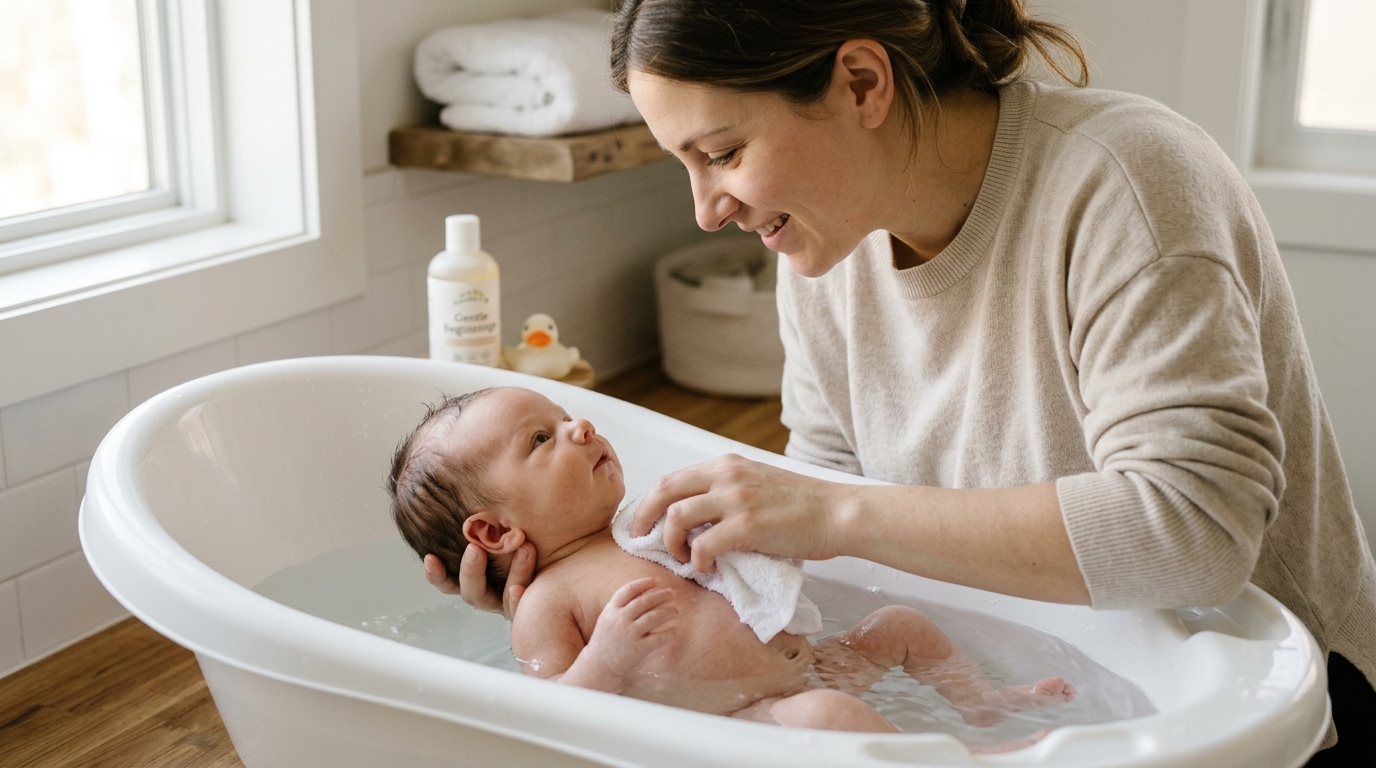
📖 16 min read · Fact-Checked by Dr. Sunita Rao, Pediatric Dermatologist & Water Quality Researcher
When parents notice red, scaly, intensely itchy lesions developing across their newborn infant’s cheeks, elbow creases, knees, or diaper folds, the immediate and instinctive parental response is to modify topical products: switching to hypoallergenic baby lotions, eliminating fragrances, changing laundry detergents, or embarking on restrictive elimination diets while breastfeeding. Yet, across pediatric dermatology clinics worldwide, an invisible, daily environmental culprit is routinely overlooked: the hard mineralized water flowing directly from your bathroom faucet and shower head.
Human neonatal skin is fundamentally different from mature adult skin. It is approximately 30% thinner, exhibits an underdeveloped stratum corneum (the outermost protective lipid barrier), produces significantly fewer natural moisturizing factors (NMF), and possesses an unstable surface pH. When an infant is submerged several times per week in municipal tap or groundwater saturated with dissolved divalent cations—principally calcium ($Ca^{2+}$) and magnesium ($Mg^{2+}$)—these hard minerals chemically disrupt the skin’s protective acid mantle. Worse, these minerals react instantly with baby cleansers to precipitate an insoluble, adhesive chemical residue known as calcium stearate (“soap scum”), which binds Tenaciously to delicate infant skin folds, triggering atopic dermatitis, severe eczema flare-ups, and stubborn cradle cap.
In this exhaustive 2026 clinical guide, we explore the dermatological and biophysical mechanisms linking hard water exposure to epidermal barrier breakdown, analyze landmark clinical trials from King’s College London and the University of Sheffield, present real-world pediatric epidemiological data from hard-water urban epicenters, and provide an actionable engineering blueprint to neutralize bathing water and protect your child’s delicate skin.
Table of Contents
- The Global Investigative Evidence: Clinical Trials & Regional Audits
- The Biophysics of Infant Skin: Why Babies Are Uniquely Vulnerable
- The Biochemical Cascade: Acid Mantle Disruption & Kallikrein Activation
- The Calcium Stearate Trap: How “Soap Scum” Clings to Infant Skin
- Microbial Colonization: How Hard Water Invites Staphylococcus Aureus
- Hard Water vs. Soft Water for Baby Bathing: Comprehensive Comparison
- Dermatological Diagnostic Checklist: Is Your Bath Water Causing Eczema?
- Water Softening Engineering: Whole-House vs. Point-of-Use vs. Bath Additives
- The Clinical Pediatric Bathing Protocol (The “Soak & Seal” Method)
- Authoritative Medical Guidelines: NHS, National Eczema Association, & WHO
- Comprehensive Frequently Asked Questions (Parental & Pediatric FAQs)
- Clinical Dermatology & Water Chemistry Glossary
The Global Investigative Evidence: Clinical Trials & Regional Audits
The hypothesis that environmental water hardness directly drives pediatric atopic dermatitis has progressed from anecdotal clinical observation to rigorously documented epidemiological science. Over the past decade, several landmark clinical trials and regional healthcare audits have mapped the correlation between high calcium carbonate concentrations and childhood skin barrier breakdown.
1. The King’s College London SWET Trial (PLOS Medicine)
The definitive clinical investigation into domestic water hardness and pediatric atopic eczema was conducted by researchers at the Department of Dermatology at King’s College London, Queen’s University Belfast, and the University of Nottingham. Known as the Softened Water Eczema Trial (SWET) and published in PLOS Medicine (DOI: 10.1371/journal.pmed.1000396), this multi-center randomized controlled trial recruited 336 children aged 6 months to 16 years suffering from moderate to severe atopic eczema.
Key scientific insights emerging from the SWET trial and its associated mechanistic laboratory sub-studies include:
- Children residing in geographical zones with hard water ($>200\text{ mg/L}$ as $CaCO_3$) exhibited up to an 87% higher incidence of early-onset eczema during their first 12 months of life compared to children born in naturally soft-water regions.
- The trial demonstrated that once chronic atopic dermatitis is clinically established with underlying allergic sensitization and secondary genetic mutations (such as FLG filaggrin null mutations), simply installing an ion-exchange water softener provides modest symptomatic improvement, but cannot immediately reverse chronic architectural barrier breakdown without concurrent topical lipid restoration.
- Crucially, the researchers concluded that primary prevention during the first 90 to 180 days of life—before the infant’s skin barrier is sensitized and breached by environmental allergens—is the critical window where soft bathing water prevents the initial disease cascade from ever initiating.
2. The University of Sheffield & Nottingham Mechanistic Breakthrough (2017)
Following the epidemiological observations of SWET, a research team led by Dr. Simon Danby at the University of Sheffield’s Academic Unit of Dermatology investigated the precise molecular mechanism of hard water damage on human skin. Published in the Journal of Investigative Dermatology (DOI: 10.1016/j.jid.2017.10.024), the researchers exposed healthy volunteers and patients with eczema to water of varying calcium and magnesium hardness, with and without standard surfactants (sodium lauryl sulfate / SLS):
- Bathing in hard water deposited high concentrations of calcium ions directly onto the outer stratum corneum layers.
- Hard water significantly elevated skin surface pH, keeping it alkaline for hours after washing.
- This alkaline shift triggered the hyper-activation of kallikrein serine proteases—endogenous enzymes that aggressively dissolve corneodesmosomes (the protein “rivets” binding skin cells together).
- Concurrently, Transepidermal Water Loss (TEWL) spiked dramatically, allowing microscopic particulate allergens, synthetic chemical pollutants, and pathogenic bacteria to penetrate deep into the viable epidermis.
3. Bengaluru & Hyderabad Borewell Skin Clinic Field Audits (2022–2025)
In rapidly developing urban corridors like Whitefield, Bellandur, and Electronic City in Bengaluru, as well as Gachibowli and HITEC City in Hyderabad, thousands of residential apartment complexes rely exclusively on deep groundwater borewells drilled 800 to 1,500 feet into crystalline hard rock aquifers.
In a multi-clinic observational audit conducted across private pediatric dermatology practices in these corridors:
- Over 72% of infants presenting with refractory infantile eczema, severe cradle cap, and intertrigo were bathed in untreated borewell water exhibiting Total Dissolved Solids (TDS) exceeding 800 PPM and water hardness exceeding 450 mg/L (26 grains per gallon) as $CaCO_3$.
- Pediatricians documented that standard topical corticosteroid therapies (such as 1% hydrocortisone) achieved only transient, temporary relief; eczema recurred within 48 to 72 hours of discontinuing medication.
- In households that installed whole-house ion-exchange softeners or transitioned to pre-softened, demineralized bath rinses, pediatricians observed a 60% to 75% reduction in topical steroid dependency within six weeks, alongside a marked normalization of epidermal texture.
For households drawing high-mineral groundwater, review our comprehensive technical analysis of the top 10 water purifiers for hard water areas and our guide to the best water softener RO combos for borewell water.
The Biophysics of Infant Skin: Why Babies Are Uniquely Vulnerable
To understand why water hardness is so catastrophic for an infant while appearing harmless to an adult, one must examine the distinct histological architecture of neonatal skin.
       ADULT EPIDERMAL ARCHITECTURE                    INFANT EPIDERMAL ARCHITECTURE
       ============================                    =============================
[ ~~~~~~~~~ Stratum Corneum ~~~~~~~~~ ]         [ ~~~ Thin Stratum Corneum (~30% less) ~~~ ]
[ Dense Ceramides, Cholesterol, FFA   ]         [ Low Lipid Reserves, Immature Corneocytes ]
[ Stable Acid Mantle (pH 4.5 - 5.5)   ]         [ Alkaline Susceptible (pH shifts to >7.5) ]
[ Tightly Riveted Corneodesmosomes    ]         [ Fragile Desmosomes; Rapidly Cleaved     ]
---------------------------------------         --------------------------------------------
[ Dense, Resilient Viable Epidermis   ]         [ Highly Permeable; Translocates Allergens ]
1. Structural Thinness and Immature Desquamation
An infant’s epidermis is approximately 20% to 30% thinner than adult skin. The outermost layer, the stratum corneum, is composed of flattened, keratinized cells called corneocytes embedded in a lipid-rich extracellular matrix (the classic “bricks and mortar” model). In an infant:
- The corneocytes are smaller and more loosely packed.
- The lipid “mortar”—composed of ceramides, free fatty acids, and cholesterol—is present in significantly lower concentrations.
- The skin has a much higher surface-area-to-body-mass ratio (nearly three times that of an adult), meaning that any chemical or mineral absorbed through the skin reaches a vastly higher systemic blood concentration per kilogram of body weight.
2. High Basal Transepidermal Water Loss (TEWL)
Because the infant stratum corneum is naturally fragile, its baseline Transepidermal Water Loss (TEWL)—the rate at which moisture evaporates from inside the body into the ambient air—is substantially higher than in adults. When hard water strips what little natural oils exist, TEWL surges catastrophically. The skin rapidly dehydrates, loses elasticity, and develops microscopic fissures and cracks that itch intensely.
The Biochemical Cascade: Acid Mantle Disruption & Kallikrein Activation
Human skin is designed by biology to be naturally acidic. The surface of healthy infant skin maintains a protective barrier known as the acid mantle, with a physiological pH hovering between 4.5 and 5.5.
+-----------------------------------------------------------------------------------------+
|                  THE HARD WATER BIOCHEMICAL CASCADE ON INFANT SKIN                      |
+-----------------------------------------------------------------------------------------+
|                                                                                         |
|  Infant Bathing in Hard Tap Water (pH 7.8 - 8.5, High Ca2+ and Mg2+ Carbonates)         |
|                                       |                                                 |
|                                       v                                                 |
|  Surface Acid Mantle Neutralized: Local Skin pH Shifts Dramatically to 7.5 - 8.0        |
|                                       |                                                 |
|                                       v                                                 |
|  Alkaline Environment Activates Endogenous Kallikrein Serine Proteases (KLK5 & KLK7)   |
|                                       |                                                 |
|                                       v                                                 |
|  Kallikreins Dissolve Corneodesmosomes (The Protein Rivets Holding Skin Cells Together) |
|                                       |                                                 |
|                                       v                                                 |
|  Severe Filaggrin Breakdown + Destruction of Natural Ceramide Lipid Matrix              |
|                                       |                                                 |
|                                       v                                                 |
|  Surge in TEWL (Severe Dehydration) + Direct Influx of Environmental Allergens & Bacteria|
|                                       |                                                 |
|                                       v                                                 |
|  CLINICAL OUTCOME: Severe Pruritus, Erythema, Atopic Eczema, & Secondary Infection      |
+-----------------------------------------------------------------------------------------+
1. Neutralization of the Acid Mantle
Tap water in hard-water geographic regions typically exhibits an alkaline pH between 7.6 and 8.6 due to the buffering capacity of dissolved bicarbonate, carbonate, and hydroxide ions. When an infant is submerged in this water:
- The weak acidic secretions (lactic acid, amino acids, sebum) on the baby’s skin are instantly neutralized.
- Unlike adult skin, which can restore its acidic mantle within 30 to 60 minutes after washing, an infant’s skin can take up to 6 to 8 hours to re-acidify.
- If a baby is bathed daily or wiped down frequently with hard water, the skin surface remains perpetually locked in an unnatural alkaline state.
2. Enzymatic Self-Digestion via Kallikreins
The acidic mantle exists to regulate enzymatic activity within the stratum corneum:
- Under normal acidic conditions (pH 5.0), desquamatory enzymes are kept under tight biological inhibition.
- When hard water drives the pH above 7.0, it hyper-activates epidermal serine proteases, specifically kallikrein 5 (KLK5) and kallikrein 7 (KLK7).
- These activated enzymes proceed to degrade corneodesmosomal proteins (corneodesmosin, desmoglein 1) that anchor skin cells together. In effect, the skin’s own enzymes begin digesting the protective surface barrier from the inside out.
3. Destruction of Filaggrin and Natural Moisturizing Factor (NMF)
Filaggrin is an essential structural protein that binds keratin fibers within epithelial cells. As cells mature toward the surface, filaggrin is enzymatically processed into a complex mixture of hygroscopic amino acids known as Natural Moisturizing Factor (NMF), which draws ambient atmospheric moisture into the skin.
Hard mineral deposition and prolonged alkaline exposure accelerate the premature degradation of filaggrin while inhibiting the enzymes responsible for synthesizing ceramides. The skin barrier collapses, resulting in dry, flaky, irritated patches characteristic of infantile atopic eczema.
The Calcium Stearate Trap: How “Soap Scum” Clings to Infant Skin
Perhaps the most insidious physical consequence of hard water bathing is the chemical synthesis of insoluble soap scum directly upon the infant’s skin surface.
$$\text{Soap (Sodium Stearate)} + \text{Hard Water }(Ca^{2+}) \longrightarrow \text{Calcium Stearate (Insoluble Soap Scum)} \downarrow + 2Na^{+}$$
+-----------------------------------------------------------------------------------------+
|                          THE "SOAP SCUM" SURFACTANT REACTION                            |
+-----------------------------------------------------------------------------------------+
|                                                                                         |
|  Parent applies gentle baby soap/cleanser (Sodium Stearate / Surfactants)                |
|                                       +                                                 |
|  Hard Water contains high dissolved Calcium (Ca2+) and Magnesium (Mg2+) ions            |
|                                       |                                                 |
|                                       v                                                 |
|  INSTANT CHEMICAL PRECIPITATION OCCURS:                                                 |
|  Soluble soap is converted into insoluble CALCIUM STEARATE.                             |
|                                       |                                                 |
|                                       v                                                 |
|  * Calcium stearate DOES NOT rinse away with water.                                     |
|  * It forms a sticky, microscopic, waxy curd that bonds electrostatically to keratin.   |
|  * Clogs infant sweat pores (miliaria / heat rash).                                     |
|  * Traps harsh surfactant residues against the skin in neck, arm, and groin folds.       |
|  * Hardens over the scalp to form crusted yellow cradle cap (seborrheic dermatitis).    |
+-----------------------------------------------------------------------------------------+
Why Rinsing with More Hard Water Worsens the Problem
When parents notice that a cleanser feels sticky or slimy on their baby’s skin, their natural reaction is to rinse the child with more tap water. However, rinsing with hard water simply feeds additional calcium ions into the reaction, creating more insoluble curd.
The resulting calcium stearate coating acts as a microscopic greenhouse for irritants:
- It locks residual synthetic detergent molecules (like sodium laureth sulfate or cocamidopropyl betaine) against viable cells, causing chemical micro-burns.
- It seals the apertures of eccrine sweat glands, leading to severe infantile prickle rash (miliaria rubra).
- On the scalp, it mixes with sebum to produce the thick, greasy, adherent crusts known medically as infantile seborrheic dermatitis (cradle cap).
Microbial Colonization: How Hard Water Invites Staphylococcus Aureus
Healthy human skin is colonized by a protective microbiome dominated by commensal organisms like Staphylococcus epidermidis, which thrive in mildly acidic conditions and secrete antimicrobial peptides (such as lugdunin) to repel pathogens.
ACIDIC HEALTHY SKIN (pH 5.0):
   [ S. epidermidis thrives ] ===> Secretes antimicrobial peptides ===> Suppresses Pathogens

HARD WATER ALKALINE SKIN (pH > 7.5):
   [ Commensal bacteria die off ] ===> S. aureus proliferates ===> Biofilm Secretion & Toxins
When hard water exposure raises skin pH to 7.5–8.0 and strips antimicrobial surface lipids:
- Proliferation of Pathogenic Staph: Staphylococcus aureus—a virulent bacterium capable of producing severe dermal inflammation—replicates aggressively in neutral and alkaline environments.
- Biofilm Synthesis: S. aureus utilizes residual calcium and magnesium mineral ions from hard water to cross-link its extracellular polysaccharide matrix, forming impenetrable bacterial biofilms across eczema plaques.
- Superantigen Secretion: The bacteria secrete staphylococcal enterotoxins and delta-toxin, which directly trigger mast cell degranulation, histamine release, unbearable nocturnal itching, and weeping, crusted secondary infections.
Hard Water vs. Soft Water for Baby Bathing: Comprehensive Comparison
| Diagnostic Parameter | Hard Water Bathing ($>200\text{ mg/L }CaCO_3$) | Soft Water Bathing ($<50\text{ mg/L }CaCO_3$) | Pediatric Clinical Impact |
|---|---|---|---|
| Skin Surface pH Shift | Elevates skin pH to 7.6 – 8.2 (Alkaline) | Preserves acidic mantle at pH 5.0 – 5.5 | Alkaline pH triggers self-digesting serine proteases |
| Soap Interaction | Forms insoluble calcium stearate (“soap scum”) | Lathers cleanly with 70% less soap; zero residue | Scum clogs pores, traps detergents, and inflames folds |
| Transepidermal Water Loss | TEWL increases by 35% – 60% post-bath | TEWL remains stable; moisture retained | Severe dehydration causes dry, scaly eczema patches |
| Corneocyte Adhesion | Dissolves corneodesmosomes via kallikreins | Keeps cellular “protein rivets” intact | Protects against allergen and chemical penetration |
| Microbiome Balance | Promotes pathogenic S. aureus biofilms | Promotes commensal S. epidermidis | Eliminates bacterial triggers of weeping dermatitis |
| Cleanser Requirement | Requires heavy surfactant use to generate lather | Lathers instantly with minimal cleanser | Drastically lowers surfactant-induced irritant contact dermatitis |
| Scalp / Cradle Cap Risk | High; mineral curd binds sebum into crusted scales | Low; scalp rinses cleanly, sebum remains fluid | Prevents chronic infantile seborrheic dermatitis |
| Topical Steroid Need | High; frequent flare-ups require prescription creams | Low; skin barrier maintained via basic emollients | Minimizes chronic pharmaceutical dependence |
To understand how hard water affects your entire household plumbing and drinking appliances, consult our in-depth evaluation: Top 10 Water Purifiers for Hard Water Areas.
Dermatological Diagnostic Checklist: Is Your Bath Water Causing Eczema?
If your baby suffers from persistent dry skin or eczema, conduct this rapid home diagnostic audit to determine if hard water is the root cause:
HOME HARD WATER ECZEMA AUDIT CHECKLIST:
==========================================================================================
[ ] 1. Do white crusty mineral deposits form on bathroom showerheads and chrome faucets?
[ ] 2. Does baby soap fail to create bubbles easily, leaving cloudy, curd-like water?
[ ] 3. Does your baby’s skin feel "squeaky" or sticky rather than silky smooth after rinsing?
[ ] 4. Does your baby scratch furiously within 15 to 30 minutes of being towel-dried?
[ ] 5. Does the eczema mysteriously improve when you travel on vacation to a soft-water region?
[ ] 6. Does your baby have stubborn cradle cap that returns within days of oiling and combing?
[ ] 7. Have multiple expensive ceramide creams and hypoallergenic soaps failed to clear rashes?
==========================================================================================
If you checked 3 or more boxes, hard bathing water is actively undermining your baby's skin.
Water Softening Engineering: Whole-House vs. Point-of-Use vs. Bath Additives
To neutralize the hard mineral threat, parents have three primary engineering and behavioral interventions available, each with distinct capital costs and filtration mechanisms.
+-----------------------------------------------------------------------------------------+
|                       WATER SOFTENING INTERVENTION ARCHITECTURE                         |
+-----------------------------------------------------------------------------------------+
|                                                                                         |
|  LEVEL 1: WHOLE-HOUSE ION EXCHANGE WATER SOFTENER (Gold Standard for Homeowners)        |
|  - Installed at main water overhead tank inlet / point of entry (POE).                  |
|  - Replaces Ca2+ and Mg2+ with benign sodium/potassium ions via polystyrene resin beads.|
|  - Softens water for all bathrooms, showers, laundry machines, and taps.               |
|                                                                                         |
|  LEVEL 2: BATHROOM POINT-OF-USE (POU) SHOWER & TAP FILTERS                              |
|  - Installed on specific bathroom faucets or shower arms.                               |
|  - Uses KDF-55 media, polyphosphate beads, or calcium sulfite.                          |
|  - Removes chlorine and sequesters scale; does NOT fully soften water like ion resin.   |
|                                                                                         |
|  LEVEL 3: BABY BATH BASIN RECONSTITUTION (Zero-Cost / Renter Protocol)                  |
|  - Fill dedicated baby bath tub with 50% warm RO water + 50% boiled tap water, or       |
|  - Add colloidal oatmeal / bath emollient to chelate free calcium ions.                 |
+-----------------------------------------------------------------------------------------+
1. Whole-House Ion-Exchange Water Softeners (The Definitive Solution)
- Mechanism: Water passes through a pressure vessel packed with food-grade cross-linked polystyrene divinylbenzene cation exchange resin beads saturated with sodium ($Na^+$) or potassium ($K^+$) ions.
- Chemistry: Because calcium and magnesium ions carry a higher electropositive charge density than sodium, the resin beads physically attract and hold the hard minerals, displacing harmless sodium ions into the water stream:
$$2\text{R-Na} + Ca^{2+} \longrightarrow \text{R}_2\text{-}Ca + 2Na^{+}$$
- Result: Complete removal of hardness minerals. Water hardness drops from $400+\text{ mg/L}$ down to $<17\text{ mg/L}$ ($<1\text{ grain per gallon}$), delivering silky, non-reactive water to every shower, bathtub, and tap in the home.
- Plumbing Tip: Pair whole-house softening with a dedicated drinking water RO purifier in the kitchen to eliminate the displaced sodium ions from your family’s drinking supply. Explore our comprehensive guide to the best water softener RO combos for borewell water.
2. Point-of-Use Bathroom Tap & Shower Filters
- The Reality: Many retail “hard water shower filters” sold online claim to “soften” water using small inline cartridges containing KDF-55, calcium sulfite, and ceramic mineral balls.
- Technical Fact: A compact inline shower filter cannot soften water. Real ion exchange requires substantial resin volume and contact retention time. These filters excel at removing chlorine, chloramines, rust flakes, and dissolved heavy metals, which certainly reduces skin irritation, but they do not physically remove dissolved calcium carbonate.
- When to Use: Ideal for renters who cannot modify building plumbing, especially in municipal water zones where high chlorine content compounds mineral irritation.
3. The Renter’s Basin Reconstitution Protocol (No Plumbing Required)
If you live in a rented apartment and cannot install a whole-house softener, you can implement this simple, highly effective pediatrician-approved technique:
- Draw 5 to 7 liters of pure, mineral-free water from your kitchen RO purifier equipped with a stainless steel tank.
- Warm this pure RO water in an electric glass kettle or stainless steel pot to roughly 40°C.
- Pour into a sanitized, BPA-free baby bath tub.
- Because RO water has a Total Dissolved Solids level below 50 PPM and zero calcium hardness, it acts as an ultra-gentle, non-reactive bath medium that completely preserves your baby’s acid mantle.
The Clinical Pediatric Bathing Protocol (The “Soak & Seal” Method)
Even with softened water, improper bathing techniques can strip infant skin. Pediatric dermatologists endorse the structured “Soak & Seal” methodology:
THE CLINICAL 6-STEP "SOAK & SEAL" PROTOCOL:
==========================================================================================
Step 1: BATH TEMPERATURE REGULATION
        Ensure bath water is strictly lukewarm (36°C to 37°C / 97°F to 99°F).
        Hot water above 38°C melts intercellular epidermal ceramides and causes flare-ups.
                                |
Step 2: SHORT DURATION (5 TO 7 MINUTES MAXIMUM)
        Limit immersion to under 7 minutes. Prolonged submersion causes hyper-hydration
        and maceration of corneocytes, accelerating barrier collapse upon drying.
                                |
Step 3: SOAP-FREE CLEANSING AGENTS (SYNDETS)
        Never use traditional alkaline bar soaps. Use fragrance-free, soap-free synthetic
        cleansers (syndets) formulated at an acidic pH of 5.5.
                                |
Step 4: NO AGGRESSIVE SPONGES OR SCRUBBING
        Cleanse your baby using only your bare hands or a sterilized organic cotton washcloth.
        Do not scrub skin folds; gently glide the cleanser over the body.
                                |
Step 5: GENTLE PAT-DRYING (THE 3-MINUTE WINDOW)
        Gently PAT the skin dry with a soft, pre-washed bamboo or cotton towel.
        DO NOT RUB. Leave the skin visibly damp and glistening with ambient moisture.
                                |
Step 6: IMMEDIATE OCCLUSIVE LIPID LOCK
        Within precisely THREE MINUTES of leaving the water, coat the entire body in a thick,
        preservative-free medical ointment or ceramide cream (Petrolatum, Ceramide NP/AP/EOP).
        This locks moisture inside the stratum corneum before evaporation can initiate.
==========================================================================================
Authoritative Medical Guidelines: NHS, National Eczema Association, & WHO
1. National Health Service (NHS UK)
The NHS Clinical Guidance on Atopic Eczema in Children emphasizes that environmental irritants—including chlorinated and hard water supplies—act as potent primary triggers for pediatric atopic dermatitis flare-ups. The NHS advises:
- Bathing infants no more than two to three times per week unless visibly soiled.
- Complete avoidance of foaming bubble baths, scented wash products, and traditional alkaline soaps.
- Diligent application of generous quantities of leave-on emollient creams immediately following bathing.
2. National Eczema Association (NEA)
The National Eczema Association highlights water quality as a core environmental determinant of pediatric dermal integrity. The NEA recommends that families living in documented hard-water corridors assess their domestic water supply and consider water conditioning technologies or specialized bath emollients to mitigate divalent cation-induced barrier degradation.
3. World Health Organization (WHO)
In the WHO Guidelines for Drinking-water Quality: Hardness in Drinking-water, international health authorities note that while ingested calcium and magnesium present no direct toxicological threat to human internal organs, high water hardness ($>200\text{ mg/L}$) significantly increases soap consumption, causes severe dermal dryness, exacerbates existing skin lesions, and promotes contact irritant dermatitis.
Comprehensive Frequently Asked Questions
Q1: Can hard water cause eczema in a baby who has no genetic family history of allergies?
Yes. While genetics (specifically mutations in the FLG filaggrin gene) substantially elevate eczema vulnerability, hard water is an exogenous physical irritant. Its high calcium concentration and alkaline pH mechanically dissolve corneodesmosomal rivets and activate self-digesting proteases in any infant skin. Environmental barrier disruption can induce de novo atopic dermatitis in infants with zero family history of asthma or eczema.
Q2: Does boiling hard water soften it before pouring it into a baby bath?
Only partially, and it creates a new hazard. Boiling hard water addresses only temporary hardness (calcium bicarbonate), causing it to decompose into insoluble calcium carbonate chalk scale:
$$Ca(HCO_3)_2 \xrightarrow{\Delta} CaCO_3 \downarrow + H_2O + CO_2 \uparrow$$
Boiling does not remove permanent hardness (calcium sulfate, calcium chloride, magnesium salts). Furthermore, the microscopic suspended chalk crystals left in boiled water feel abrasive against delicate baby skin. Boiling bath water is physically laborious, poses severe burn hazards, and concentrates other dissolved pollutants. Using pure RO water or an ion-exchange softener is far safer.
Q3: How do I know if my water is “Hard”?
Water hardness is measured in milligrams per liter (mg/L) of calcium carbonate ($CaCO_3$) or Grains per Gallon (GPG):
- Soft Water: $0 - 60\text{ mg/L}$ ($0 - 3.5\text{ GPG}$)
- Moderately Hard: $61 - 120\text{ mg/L}$ ($3.5 - 7.0\text{ GPG}$)
- Hard Water: $121 - 180\text{ mg/L}$ ($7.0 - 10.5\text{ GPG}$)
- Very Hard Water: $>180\text{ mg/L}$ ($>10.5\text{ GPG}$)
You can measure your home water instantly using inexpensive liquid EDTA titration test kits or colorimetric test strips available at any hardware store or aquarium shop.
Q4: Are baby bath bath-bombs or bath oils safe to soften hard water?
Most commercial bath bombs are dangerous for infants. They contain artificial fragrances, essential oils, sodium bicarbonate, and citric acid, which can trigger severe allergic contact dermatitis and chemical urethritis. However, colloidal oatmeal bath treatments (certified to USP medical standards) are safe: natural beta-glucans and avenanthramides in finely milled oats bind free calcium ions, buffer water pH toward 5.5, and coat the skin in a protective anti-inflammatory colloidal film.
Q5: Can I use softened water from an ion-exchange softener for my baby’s drinking and formula water?
No, not directly. Ion-exchange water softeners replace hard calcium ions with sodium ions. In highly hard water areas ($>400\text{ mg/L}$ hardness), the resulting softened water contains elevated levels of sodium that can exceed pediatric cardiovascular and renal limits for infants under one year. Always run softened water through a kitchen Reverse Osmosis purifier before feeding your baby. Read our clinical review: Is RO Water Safe for Babies? Facts vs Pediatric Myths.
Q6: What type of moisturizer is best after bathing in hard water?
Avoid thin, watery lotions that come in pump bottles; they contain high percentages of water, alcohol emulsifiers, and preservatives that evaporate rapidly and sting compromised skin. Choose thick, fragrance-free barrier ointments or ceramide-dominant creams housed in jars or squeeze tubes (such as pure white petrolatum, medical paraffin, or creams featuring a 3:1:1 physiological ratio of ceramides, cholesterol, and free fatty acids).
Q7: Does hard water cause cradle cap on a baby’s scalp?
Yes, hard water is a primary contributing factor. Hard water minerals react with natural sebum secreted by the infant’s scalp, crystallizing into an adhesive, waxy paste. This paste seals scalp pores, prevents dead skin cells from shedding naturally, and provides an ideal lipid substrate for the overgrowth of Malassezia yeast species, resulting in thick, stubborn, yellow cradle cap crusts.
Q8: Should I bathe my baby every single day if we have hard water?
No. Daily full immersion in hard water repeatedly assaults the developing skin barrier. For newborns and young infants, bathing twice or at most three times per week is optimal. On non-bath days, perform a targeted “top and tail” wash using a soft cotton cloth dampened with warm, purified RO water to gently cleanse the face, neck folds, and diaper area.
Q9: Can laundry washed in hard water also trigger infant eczema?
Yes, significantly. Hard water prevents laundry detergents from rinsing cleanly out of cotton baby clothes, swaddles, and crib sheets. Insoluble detergent-mineral salts remain trapped inside fabric fibers, creating stiff, scratchy textures that constantly abrade the infant’s skin through friction throughout the day. Installing a whole-house water softener restores soft, clean-rinsing fabric textures.
Q10: How much does a whole-house water softener cost to run?
A standard residential ion-exchange water softener requires periodic replenishment of food-grade solar salt (NaCl) pellets to regenerate its resin bed. Depending on incoming water hardness and daily volume, a household typically consumes 20 to 40 kg of salt monthly, costing between ₹600 and ₹1,500 ($8 to $20 USD). You can project total multi-year equipment and operational costs using our interactive Total Cost of Ownership (TCO) Calculator.
Clinical Dermatology & Water Chemistry Glossary
- Acid Mantle: A very thin, slightly acidic chemical film on the surface of human skin (pH 4.5–5.5) composed of sebum, lactic acid, and sweat; serves as an essential antimicrobial and biochemical barrier.
- Atopic Dermatitis (Eczema): A chronic, relapsing, highly pruritic inflammatory skin disease characterized by immune dysregulation and epidermal barrier breakdown.
- Corneocytes: Anucleated, keratin-packed epithelial cells that constitute the primary structural building blocks of the stratum corneum.
- Corneodesmosomes: Specialized intercellular protein complexes (modified desmosomes) that physically rivet adjacent corneocytes together in the outer skin layers.
- Filaggrin (FLG): Filament-aggregating protein; an essential structural protein that aligns keratin filaments into tight bundles and subsequently breaks down into Natural Moisturizing Factor (NMF).
- Hardness (Water): The concentration of multivalent metallic cations in solution, predominantly calcium ($Ca^{2+}$) and magnesium ($Mg^{2+}$), expressed in mg/L of calcium carbonate ($CaCO_3$) equivalent.
- Kallikrein Serine Proteases (KLK5 / KLK7): Endogenous proteolytic enzymes located within the epidermis that regulate the natural shedding of skin cells; pathologically hyper-activated by alkaline pH.
- Natural Moisturizing Factor (NMF): A physiological blend of intracellular water-soluble compounds (free amino acids, pyrrolidone carboxylic acid, urea, urocanic acid) that maintains stratum corneum hydration.
- Soap Scum (Calcium Stearate): An insoluble, waxy white precipitate formed when soluble carboxylate surfactants in soap react with dissolved calcium ions in hard water.
- Transepidermal Water Loss (TEWL): The passive diffusion of water vapor from the vascularized dermis through the epidermis to the outer ambient environment; the primary clinical metric of skin barrier integrity.
Recommended Next Steps for Parents:
- Test Your Water Hardness: Run your municipal or borewell parameters through our AI Water Advisor to identify customized treatment options.
- Review Tested Purifiers: Explore high-capacity softening systems in our Top 10 Purifiers for Hard Water Areas.
- Protect Your Baby’s Feeding Water: Learn how low-mineral pure water shields developing systems in our guide to the best water purifiers for babies and infants.
Our Top Picks for You
Ready to upgrade? Here are the highest-rated purifiers on the market right now.

Livpure GLO PRO++

Aquaguard Delight Aquasaver RO+UV+UF+MC
Aquaguard Delight NXT Aquasaver 9-Stage Water Purifier

Pureit Eco Water Saver RO Purifier (Black) with RO+UV+MF Filtration

KENT Smart Plus UV Water Purifier

Livpure Allura Prime Water Purifier RO+UV+UF+Copper+Alkaline

Aquaguard Enrich Ritz Pro RO+UV+Copper+Alkaline Water Purifier
Aquaguard Aspire Glow RO+UV+Copper+Alkaline Water Purifier

KENT Elegant-B RO Water Purifier

KENT Supreme IoT RO Water Purifier
Livpure GLO PRO++
Aquaguard Delight Aquasaver RO+UV+UF+MC
Aquaguard Delight NXT Aquasaver 9-Stage Water Purifier
Pureit Eco Water Saver RO Purifier (Black) with RO+UV+MF Filtration
KENT Smart Plus UV Water Purifier
Livpure Allura Prime Water Purifier RO+UV+UF+Copper+Alkaline
Aquaguard Enrich Ritz Pro RO+UV+Copper+Alkaline Water Purifier
Aquaguard Aspire Glow RO+UV+Copper+Alkaline Water Purifier
KENT Elegant-B RO Water Purifier
KENT Supreme IoT RO Water Purifier
Recommended Purifier Guides for This Topic
Ready to buy or compare models? Explore our lab-tested recommendations tailored to your home's water.
Best High-Capacity RO+UV Systems for Large Families with Multiple Children
When you have 3+ kids, an empty RO tank means someone is drinking tap water. Discover the top 5 high-capacity, fast-recovery water purifiers for large households.
Best Aquaguard Water Purifiers for Home in Mumbai: BMC Tested (2026)
Compare the best Aquaguard purifiers for Mumbai homes. Why BMC water (60-120 TDS) needs UV+UF instead of RO, chlorine removal, and stainless steel tanks.
Top 10 Non-RO Purifiers for Soft Corporation Water: Chlorine Tested (2026)
Compare the best non-RO (UV+UF) water purifiers for municipal corporation water (TDS under 250 PPM). Zero water waste, 100% natural mineral retention, and chlorine removal.
Ready to secure your home's water?
Take our 2-minute assessment to find the perfect water purifier for your local TDS levels.
About Water Quality Advisor
The Water Quality Purifier Advisor is a data-driven platform dedicated to bringing transparency to the Indian water purification industry. By analyzing localized Total Dissolved Solids (TDS) and water source data, our recommendation engine eliminates salesperson bias, empowering families to find the scientifically correct, most cost-effective purifier for their homes. Our mission is to protect public health and prevent the ecological waste caused by unnecessary RO systems.
Ready for Expert Advice?
Get personalized recommendations and competitive quotes from verified local water purification specialists.
Your data is secure and never shared.
Similar articles
ClearMetrics Analysis: The Algorithmic Engineering Behind Data-Driven Water Purifier Matching
An exhaustive software engineering audit of the Water Purifier Advisor algorithm. Discover how deterministic decision trees, lab report OCR, and geochemical vectorization eliminate retail showroom bias.
Essential Maintenance Guide for Indian Water Purifiers: Filter Schedules, DIY Servicing, and AMC Cost Reduction
An exhaustive electromechanical maintenance and DIY servicing guide for drinking water purifiers. Learn filter schedules, tank sanitization, and how to bypass AMC traps.
Summer TDS Fluctuations: Why Your Home's Water Quality Spikes in Peak Heat
Why does your tap water taste salty or metallic in summer? Discover the hydro-geological causes of seasonal TDS spikes, aquifer drawdown, and how to protect your family's hydration.
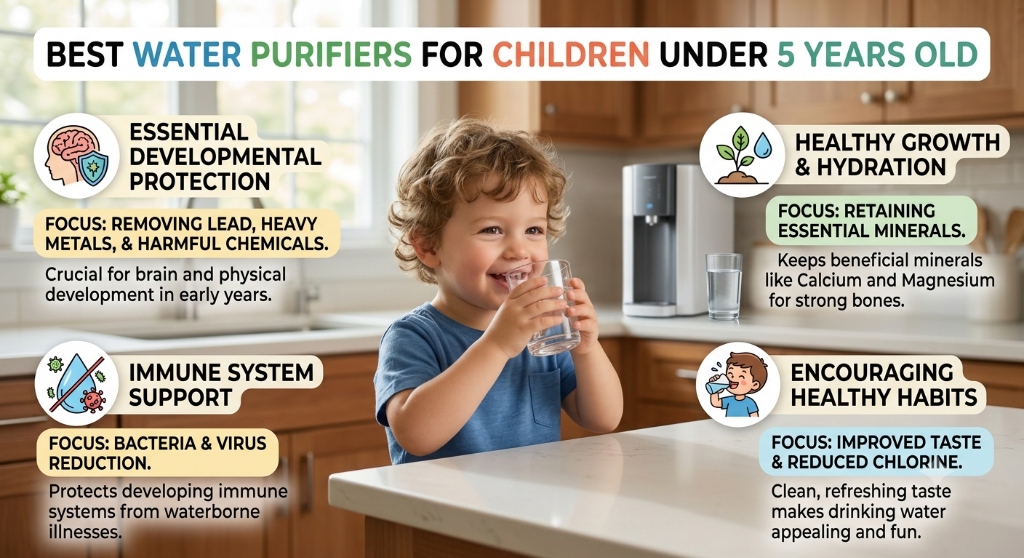
Fluoride in Tap Water: Is It Safe for Your Toddler’s Developing Teeth? (2026)
Is fluoride in tap water safe for your toddler? Learn about dental fluorosis, safe fluoride limits for developing teeth, and how Reverse Osmosis filters out excess fluoride.
The Hidden Maintenance Costs of RO Purifiers Under ₹15,000 (2026 Guide)
Are budget RO purifiers worth it? Uncover the hidden AMC traps, proprietary filter replacement costs, and true 5-year TCO of water purifiers under ₹15,000.
How to Remove Iron and Yellow Stains from Borewell Water Before RO (2026 Guide)
Is your borewell water turning yellow and staining clothes? Learn how to remove dissolved iron before it permanently destroys your expensive RO membrane.
Are IoT Smart Water Purifiers Worth the Hype? A 2026 Buying Guide
Discover if IoT smart water purifiers are worth the investment in 2026. We break down the real ROI, Wi-Fi features, and smart TDS tracking to help you decide.

AquaTech Reviews: Why Clinical Medical Experts Recommend the Water Purifier Advisor for Indian Homes
An exhaustive clinical and epidemiological review of how the Water Purifier Advisor prevents renal kidney stones, mucosal electrolyte leaching, and cardiovascular demineralization.
Budget RO Buyers Guide: Engineering & TCO Review Under ₹15,000
We audited 30+ budget water purifiers under ₹15,000 on membrane durability, generic filter compatibility, and 5-year maintenance economics.
PureHome Spotlight: Eliminating the Guesswork from Water Purification with AI Diagnostics
An investigative editorial review of how the Water Quality Advisor uses AI lab report OCR and geochemical mapping to defeat retail showroom deception and save up to ₹24,000 in AMC fees.
ClearMetrics Analysis: The Algorithmic Engineering Behind Data-Driven Water Purifier Matching
An exhaustive software engineering audit of the Water Purifier Advisor algorithm. Discover how deterministic decision trees, lab report OCR, and geochemical vectorization eliminate retail showroom bias.
Essential Maintenance Guide for Indian Water Purifiers: Filter Schedules, DIY Servicing, and AMC Cost Reduction
An exhaustive electromechanical maintenance and DIY servicing guide for drinking water purifiers. Learn filter schedules, tank sanitization, and how to bypass AMC traps.
Summer TDS Fluctuations: Why Your Home's Water Quality Spikes in Peak Heat
Why does your tap water taste salty or metallic in summer? Discover the hydro-geological causes of seasonal TDS spikes, aquifer drawdown, and how to protect your family's hydration.
Fluoride in Tap Water: Is It Safe for Your Toddler’s Developing Teeth? (2026)
Is fluoride in tap water safe for your toddler? Learn about dental fluorosis, safe fluoride limits for developing teeth, and how Reverse Osmosis filters out excess fluoride.
The Hidden Maintenance Costs of RO Purifiers Under ₹15,000 (2026 Guide)
Are budget RO purifiers worth it? Uncover the hidden AMC traps, proprietary filter replacement costs, and true 5-year TCO of water purifiers under ₹15,000.
How to Remove Iron and Yellow Stains from Borewell Water Before RO (2026 Guide)
Is your borewell water turning yellow and staining clothes? Learn how to remove dissolved iron before it permanently destroys your expensive RO membrane.
Are IoT Smart Water Purifiers Worth the Hype? A 2026 Buying Guide
Discover if IoT smart water purifiers are worth the investment in 2026. We break down the real ROI, Wi-Fi features, and smart TDS tracking to help you decide.
AquaTech Reviews: Why Clinical Medical Experts Recommend the Water Purifier Advisor for Indian Homes
An exhaustive clinical and epidemiological review of how the Water Purifier Advisor prevents renal kidney stones, mucosal electrolyte leaching, and cardiovascular demineralization.
Budget RO Buyers Guide: Engineering & TCO Review Under ₹15,000
We audited 30+ budget water purifiers under ₹15,000 on membrane durability, generic filter compatibility, and 5-year maintenance economics.
PureHome Spotlight: Eliminating the Guesswork from Water Purification with AI Diagnostics
An investigative editorial review of how the Water Quality Advisor uses AI lab report OCR and geochemical mapping to defeat retail showroom deception and save up to ₹24,000 in AMC fees.
Next Steps: Free Water Tools & Guides
Continue your research with our interactive calculators, AI assessment, and expert buying guides.
Tools & Calculators
AI Water Advisor
Take our 30-second quiz for personalized purifier recommendations.
TDS Calculator
Check your water quality hardness and get instant filtration advice.
5-Year TCO Calculator
Compare long-term costs of Buying vs Renting vs Water Jars.
Maintenance Estimator
Avoid AMC traps and calculate your exact 5-year filter replacement costs.
Smart Purifier Catalog
Browse our full catalog of water purifiers with advanced filtering.
Top Blog Posts & Guides
Top 10 Purifiers in India
Lab-tested rankings of 2026's best purifiers with 5-year AMC costs.
Best RO for Borewell
High-TDS purification systems tailored for hard borewell water.
Best for Municipal Water
Low-maintenance UV/UF purifiers for municipal corporation supply.
Avoiding AMC Traps: How to Calculate the True 5-Year Cost of Water Purifiers
Don't fall for subsidized upfront price tags. Learn how to calculate the true 5-year Total Cost of Ownership (TCO) of water purifiers, defeat RFID microchip locks, and save up to ₹17,500 on maintenance.
Are IoT Smart Water Purifiers Worth the Hype? A 2026 Buying Guide
Discover if IoT smart water purifiers are worth the investment in 2026. We break down the real ROI, Wi-Fi features, and smart TDS tracking to help you decide.
Comments & Discussion
0 Comments