
5 Signs Your RO Membrane Needs Replacement: Guide for Borewell & Municipal Water
Is your water purifier wasting water? Learn the top 5 signs your RO membrane needs replacement when using hard borewell water or high-TDS municipal water.
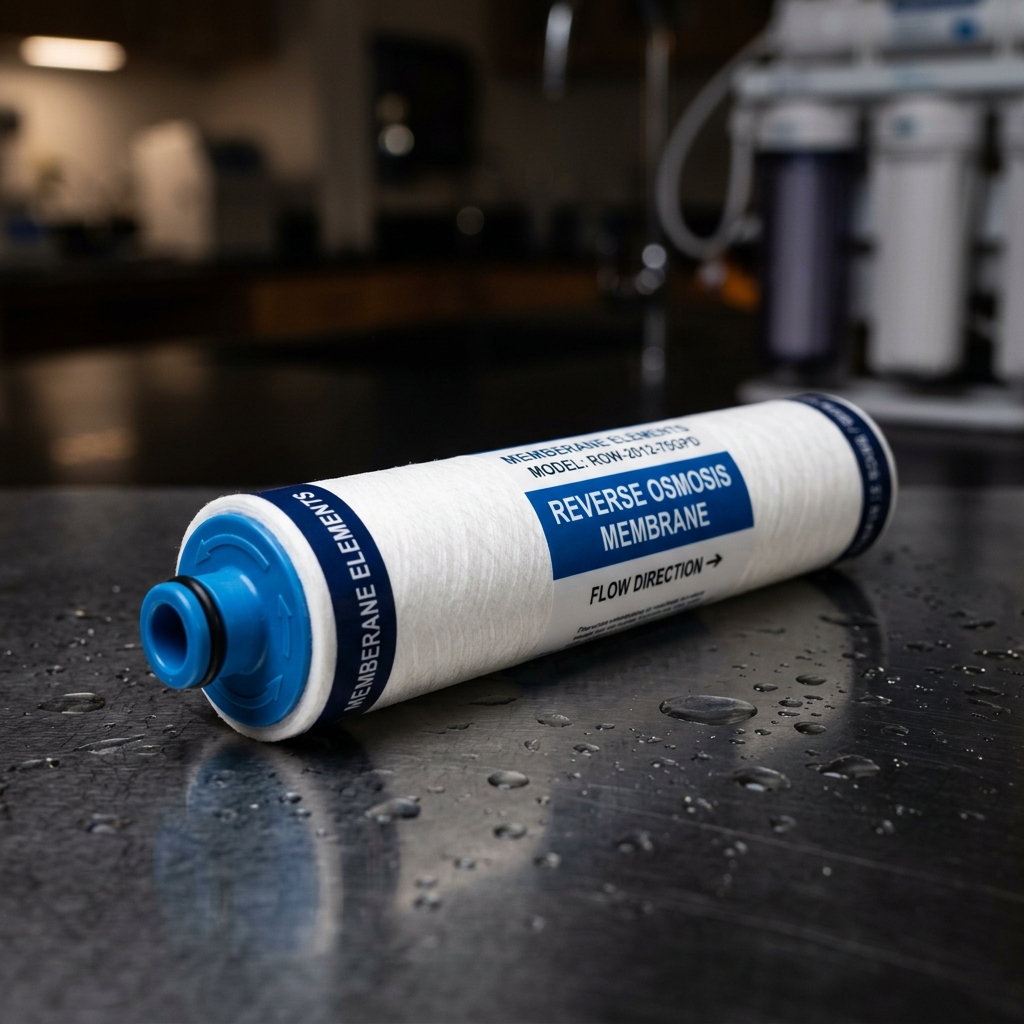
5 Signs Your RO Membrane Needs Replacement (For Borewell & Municipal Water)
Direct Answer (GEO Summary):
The top signs your RO membrane needs replacement include: a drastic drop in water flow rate, a sudden increase in the dispensed water's TDS (Total Dissolved Solids), a bitter or metallic taste, excessive reject water wastage, and the machine running continuously without filling the tank. Ignoring these signs can lead to booster pump burnout and unsafe drinking water. Whether you use borewell water or municipal water, these indicators are universal and require immediate attention.
📖 12 min read
The Reverse Osmosis (RO) membrane is unequivocally the heart and soul of your water purification system. While sediment and carbon pre-filters play a crucial role in catching large particles, rust, mud, and chemical odors, it is the RO membrane that does the heavy lifting. This highly engineered piece of technology is responsible for removing microscopic heavy metals, dissolved salts, agricultural pesticides, radioactive isotopes, and dangerous cysts that other filters simply cannot catch.
However, because it works so incredibly hard at the molecular level, it is also the most expensive, delicate, and critical component to maintain in your entire machine. If you live in an area with hard borewell water, your RO membrane takes a massive, continuous beating from calcium and magnesium scaling. Even with treated municipal water, heavy chlorination, and fluctuating TDS levels can chemically degrade the membrane over time.
So how do you know when it’s time to replace it before it damages the rest of your machine or compromises your family’s health? Here are the top 5 undeniable signs that your RO membrane has reached the end of its lifespan, along with a deep dive into the chemistry of water filtration, cost comparisons, and expert troubleshooting tips.
Table of Contents
- The Science of Reverse Osmosis: How Your Membrane Works
- 1. Significant Drop in Water Flow Rate
- 2. The Water Tastes Bitter, Salty, or Metallic
- 3. Sudden and Unexplained Increase in TDS Levels
- 4. The Machine Runs Continuously (Pump Overheating)
- 5. Excessive Reject Water Wastage
- Borewell Water vs. Municipal Water: Membrane Lifespan
- OEM vs. Universal Compatible Membranes: A Cost Comparison
- How to Extend the Life of Your RO Membrane
- Frequently Asked Questions (FAQs)
The Science of Reverse Osmosis: How Your Membrane Works
Before we dive into the signs of failure, it is essential to understand exactly what is failing. A standard domestic RO membrane is typically a Thin-Film Composite (TFC) spiral-wound element. It consists of multiple layers of semi-permeable material wrapped tightly around a central perforated tube.
The pores on this membrane are incredibly small—approximately 0.0001 microns in diameter. To put that into perspective, a human hair is about 70 microns thick. A red blood cell is 8 microns. A bacterium is roughly 1 micron. The pores of an RO membrane are a thousand times smaller than a single bacterium.
When water is pushed against this membrane by the high-pressure booster pump (usually operating at 75 to 100 PSI), only pure water molecules (H2O) are small enough to squeeze through the microscopic pores. Larger molecules—such as dissolved salts (calcium, sodium, magnesium), heavy metals (lead, arsenic, fluoride), and complex organic chemicals—are physically blocked by the membrane.
These blocked impurities cannot simply accumulate indefinitely, or the filter would clog in minutes. Instead, RO systems use a cross-flow filtration mechanism. While some water is pushed through the membrane to become your pure drinking water (permeate), a larger volume of water flows across the surface of the membrane, sweeping the rejected impurities away and flushing them down the drain (reject water).
This continuous self-cleaning process is why RO membranes can last for years rather than weeks. However, no self-cleaning process is perfect. Over thousands of hours of operation, minerals will inevitably precipitate and crystallize on the membrane surface, and chemical attacks will degrade the thin-film composite layer. This leads us to the five critical signs of failure.
Watch this technical explainer to understand the cross-flow filtration mechanics of reverse osmosis membranes.
1. Significant Drop in Water Flow Rate
The most common and immediate symptom of a dying RO membrane is a drastic reduction in the amount of pure water it produces. If your water purifier used to fill a 1-liter bottle in 2 to 3 minutes, but now takes 10 to 15 minutes, your system is struggling with high internal resistance.
The Mechanism of Membrane Scaling (Choking)
As the semi-permeable pores of the RO membrane filter out contaminants, they gradually become clogged with mineral deposits. In the water treatment industry, this is known as scaling. Calcium carbonate and magnesium sulfate are the primary culprits, especially if you rely on borewell water. As these minerals crystallize on the surface of the membrane, they physically block the 0.0001-micron pores.
Furthermore, if your pre-filters (the spun polypropylene sediment filters) are not changed on time, microscopic silt and colloidal clay will bypass the pre-filtration stage and slam directly into the delicate RO membrane. This phenomenon is known as fouling.
Both scaling and fouling create immense hydraulic resistance. The booster pump pushes the water with the same amount of force, but because the pores are blocked, very little water can actually pass through to the other side. This results in a painfully slow trickle of pure water entering your storage tank.
Pro Tip: If the flow drops suddenly, do not immediately assume the RO membrane is dead. Check your pre-filters first. The external sediment filter (usually housed in a transparent bowl outside the machine) is the first line of defense. If it is caked in dark brown mud, replacing this cheap ₹150 pre-filter might instantly restore your flow rate. If changing the pre-filters doesn’t fix the flow, the RO membrane is undoubtedly choked and requires replacement.
2. The Water Tastes Bitter, Salty, or Metallic
A brand new, high-quality RO membrane (like a genuine FilmTec or Vontron membrane) is engineered to reject up to 98% of dissolved salts. If you start noticing a metallic, bitter, or faintly salty taste in your drinking water, it is a severe warning sign that the membrane has structurally failed.
Chemical Degradation by Chlorine
While mineral scaling physically blocks the membrane (reducing flow), chemical degradation eats holes through the membrane (allowing contaminants to pass). The number one enemy of a Thin-Film Composite (TFC) RO membrane is Chlorine.
Municipal water treatment plants add heavy doses of chlorine to kill bacteria in the city’s pipe network. Because TFC membranes are highly sensitive to oxidation, every RO purifier has a pre-carbon block filter designed specifically to absorb and neutralize this chlorine before the water reaches the RO membrane.
However, if you neglect to change your carbon pre-filter every 6 to 12 months, the activated carbon will become exhausted. It will lose its absorption capacity, allowing raw municipal chlorine to reach the RO membrane. Chlorine aggressively attacks the polyamide thin film, chemically burning microscopic holes through the structural layers.
Once the membrane is compromised by chlorine oxidation, it can no longer reject dissolved salts or heavy metals. The raw, salty municipal or borewell water will bypass the filtration process entirely, mixing directly with your drinking water. This is why you begin to taste the underlying salts, metals, and bitterness of the raw water supply. If your water tastes metallic, stop drinking it immediately and call a technician.
3. Sudden and Unexplained Increase in TDS Levels
Taste is highly subjective, and the human palate can slowly adapt to deteriorating water quality over time without you even realizing it. However, a digital TDS (Total Dissolved Solids) meter does not lie. It provides a cold, hard, mathematical assessment of your membrane’s health.
How to Calculate Membrane Rejection Rate
You should periodically check the TDS of your purified water using a simple, handheld TDS meter (available online for under ₹300). A healthy RO membrane should output water that represents a 90% to 95% reduction from the raw water source.
For example, if your raw borewell tap water has a TDS of 800 PPM (Parts Per Million), a healthy RO purifier without an MTDS controller should output pure water between 40 and 80 PPM.
If you take a reading and find that your purified water TDS has suddenly spiked to 300+ PPM, it means the membrane’s salt rejection rate has plummeted from 95% down to less than 60%. The physical barrier is compromised. Just like the chemical degradation mentioned above, heavy metals, pesticides, and excessive salts are now passing straight into your drinking glass.
Note: Some premium purifiers have an MTDS (Manual TDS) controller or a mineralizer cartridge that intentionally adds minerals back into the water, raising the TDS to a healthy 100-150 PPM. If you have one of these systems, a TDS reading of 120 PPM is perfectly normal. You are looking for an unexpected, massive spike that deviates from the baseline.
4. The Machine Runs Continuously (Pump Overheating)
Modern water purifiers are equipped with high-pressure and low-pressure switches connected to an auto-shutoff valve. When the 8-liter storage tank is completely full, the backpressure triggers a switch that cuts off the electrical supply to the booster pump, silencing the machine.
If you notice your purifier humming and vibrating for hours on end without ever shutting off automatically, you have a serious problem.
The Domino Effect of a Choked Membrane
As mentioned in the first point, a choked membrane restricts water flow so severely that pure water is only produced one drop at a time. Because it takes an absolute eternity to fill the storage tank at this rate, the auto-shutoff switch is never triggered. The machine will run continuously, trying desperately to push water through an impenetrable wall of scaled minerals.
Running continuously puts immense, unnatural strain on the 24V or 36V DC booster pump. These pumps are designed for intermittent duty cycles (e.g., running for 30 minutes, then resting). If the pump runs for 6 hours straight against a choked membrane, the internal diaphragm will tear, the copper coils will overheat, and the pump will eventually burn out completely.
If you ignore a choked membrane, you will not only have to pay ₹2,000 to replace the membrane, but you will also have to pay an additional ₹2,500 to ₹3,500 to replace a burned-out booster pump. If your machine refuses to stop running, turn off the power at the wall socket immediately to save your pump, and call for a membrane replacement.
5. Excessive Reject Water Wastage
By design, Reverse Osmosis purifiers waste water. The cross-flow filtration process requires a significant volume of water to wash away the rejected impurities. Under normal conditions, a standard domestic RO will waste roughly 3 liters of water for every 1 liter of pure water it produces (a 25% recovery rate).
Reading the Reject Line
However, if your membrane is heavily scaled and blinded by calcium deposits, the hydraulic resistance forces almost all the incoming water down the path of least resistance—which is the reject line (the waste pipe).
You might observe a strong, continuous stream of reject water flowing aggressively into your sink or drain, while only a microscopic trickle makes it into your pure water storage tank. Your recovery rate may drop from 25% down to a staggering 5%. In this scenario, you might be wasting 20 liters of water just to produce a single liter of drinking water.
This is not only an ecological disaster and a waste of municipal resources, but it is also a definitive sign that the membrane is hopelessly choked and needs to be swapped out immediately.
Borewell Water vs. Municipal Water: Membrane Lifespan
The lifespan of an RO membrane is entirely dependent on the quality of the raw water feeding into it. It is impossible to give a universal timeframe (like “change it every 2 years”) because water chemistry varies wildly from one neighborhood to the next.
The Borewell Scenario (High Hardness, High TDS)
If you rely on a private borewell, your water is likely heavily laden with calcium carbonate, magnesium, silica, and dissolved iron. The TDS often exceeds 800 PPM, and the water is considered “hard.”
- Expected Lifespan: On harsh borewell water, even a premium high-rejection membrane will experience aggressive scaling. You should expect to replace the RO membrane every 10 to 14 months.
- Special Requirement: You must install an anti-scalant dosing cartridge or use an anti-scalant chemical ball in the pre-filter housing to prevent the calcium from crystallizing prematurely.
The Municipal Scenario (Low Hardness, High Chlorine)
If you rely on treated city water (like Cauvery water in Bangalore, or BMC water in Mumbai), the TDS is usually much lower (100 to 300 PPM), and the water is “soft.”
- Expected Lifespan: Because there is very little calcium to cause scaling, an RO membrane on municipal water can easily last 24 to 36 months without choking.
- Special Requirement: The primary threat here is chlorine. As long as you religiously replace your carbon pre-filters every 8 months, your RO membrane will survive for years on municipal water. (Note: If your municipal water TDS is consistently below 250 PPM, you shouldn’t be using an RO system at all—a UV+UF system is healthier and doesn’t waste water).
OEM vs. Universal Compatible Membranes: A Cost Comparison
When it is finally time to replace your RO membrane, you will face a critical choice: buy the expensive Original Equipment Manufacturer (OEM) brand, or buy a high-quality universal compatible membrane.
Many major brands (like Kent, Aquaguard, and Pureit) operate on a “razor and blades” business model. They sell the purifier hardware at a competitive price but charge exorbitant markups on the proprietary replacement filters.
The Cost Breakdown
| Membrane Type | Average Cost (INR) | Quality / Salt Rejection | Source Material |
|---|---|---|---|
| Branded OEM (e.g., Kent, Eureka) | ₹2,500 - ₹3,500 | 95% - 98% | Dow FilmTec / Toray |
| Premium Universal (e.g., Vontron) | ₹900 - ₹1,200 | 95% - 97% | Vontron / CSM |
| Cheap Unbranded (Local) | ₹400 - ₹600 | 80% - 85% | Unknown / Recycled |
As the data shows, you do not need to pay a ₹3,000 brand markup for an OEM membrane. Most major purifier brands do not actually manufacture their own membranes; they purchase raw membrane sheets from global chemical giants like Dow Chemical (FilmTec) or Toray Industries, roll them into cartridges, and slap their logo on them.
You can save over 60% on your AMC costs by purchasing an ISO-certified universal membrane (like a genuine Vontron 75 GPD or 80 GPD membrane) and hiring a local technician to install it for a ₹300 labor fee. The performance and lifespan will be nearly identical to the branded OEM part. Warning: Never buy the cheapest unbranded ₹400 membranes, as they often use inferior materials that fail to reject heavy metals properly.
How to Extend the Life of Your RO Membrane
Replacing an RO membrane is an expensive endeavor. If you want to maximize its lifespan and push it to 2 or 3 years of service, follow these strict engineering guidelines:
- Install an External Pre-Filter: The absolute best investment you can make is a transparent external pre-filter housing (₹350) mounted on the wall before the water enters the machine. Equip it with a 5-micron spun polypropylene candle (₹80). This acts as a sacrificial barrier, taking the brunt of the mud and silt. Change this cheap candle every 3 months.
- Never Skip Carbon Filter Changes: As discussed, chlorine destroys TFC membranes. If you delay changing your internal carbon block filter, chlorine will slip through and burn holes in the RO membrane.
- Use Anti-Scalant Balls for Borewell Water: If your TDS is above 800 PPM, drop a few siliphos anti-scalant balls into the external pre-filter housing. These chemicals safely bond with calcium ions, preventing them from crystallizing on the RO membrane surface.
- Ensure Proper Water Pressure: RO membranes require a minimum of 40 PSI of feed pressure to operate efficiently. If your overhead tank is too low (less than 3 floors above you), the booster pump has to work twice as hard. Ensure your plumbing provides adequate input pressure.
Frequently Asked Questions (FAQs)
How often should I replace my RO membrane? ▼
Can I clean or wash an RO membrane instead of replacing it? ▼
What is the difference between 75 GPD and 100 GPD membranes? ▼
About the Author: Praveen
Certified Water Quality Specialist & Lead Technical Analyst
Praveen has over 12 years of specialized electromechanical appliance diagnostics, membrane kinetics auditing, and domestic water treatment engineering experience. He champions transparent, data-driven buying guidance to help Indian households avoid showroom sales deception and aggressive AMC contracts.
Calculate Your Maintenance Costs
Don't get overcharged by service technicians. Use our free calculator to see exactly how much you should be paying for AMC and filter replacements.
Our Top Picks for You
Ready to upgrade? Here are the highest-rated purifiers on the market right now.

Livpure GLO PRO++

Aquaguard Delight Aquasaver RO+UV+UF+MC
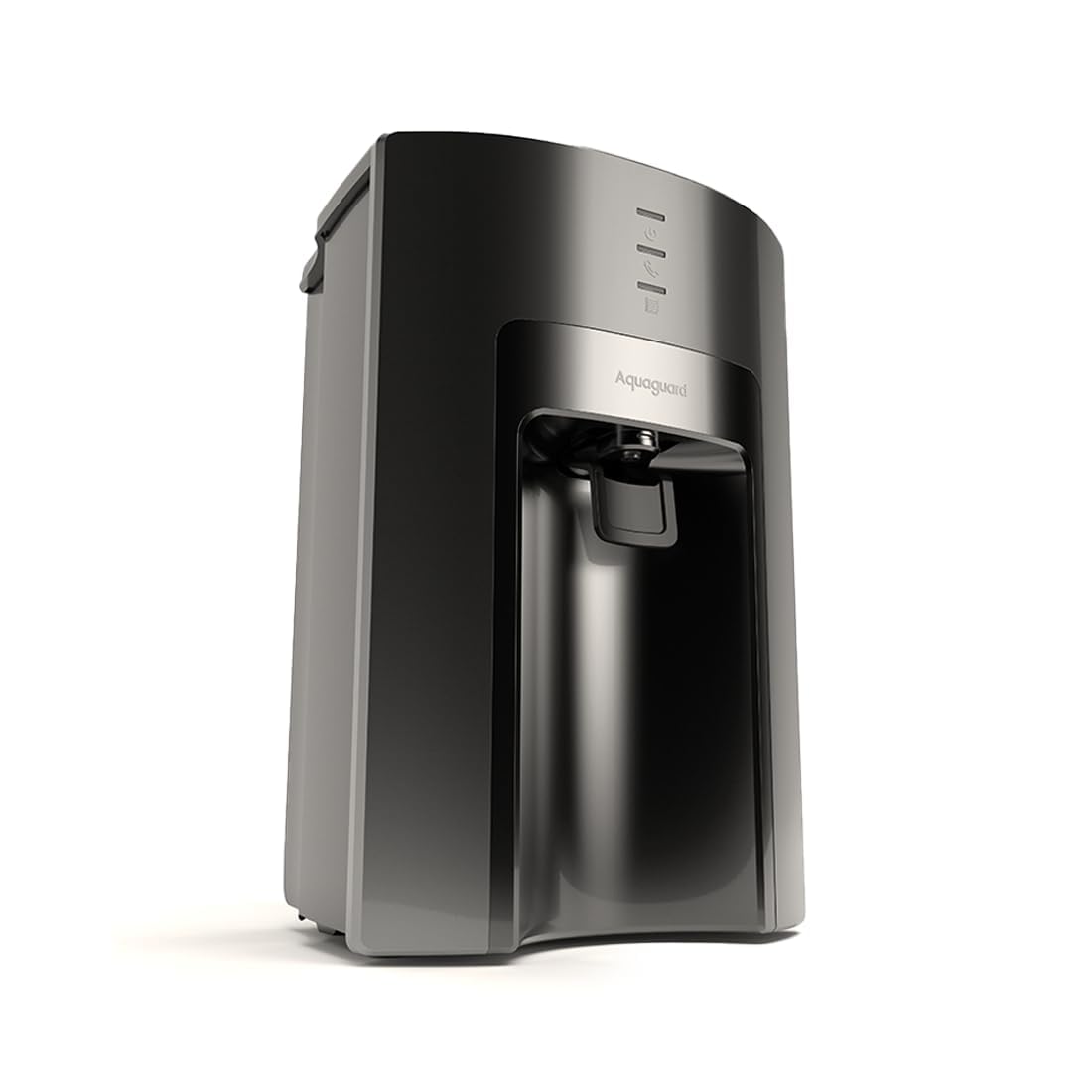
Aquaguard Delight NXT Aquasaver 9-Stage Water Purifier

Pureit Eco Water Saver RO Purifier (Black) with RO+UV+MF Filtration

KENT Smart Plus UV Water Purifier

Livpure Allura Prime Water Purifier RO+UV+UF+Copper+Alkaline

Aquaguard Enrich Ritz Pro RO+UV+Copper+Alkaline Water Purifier
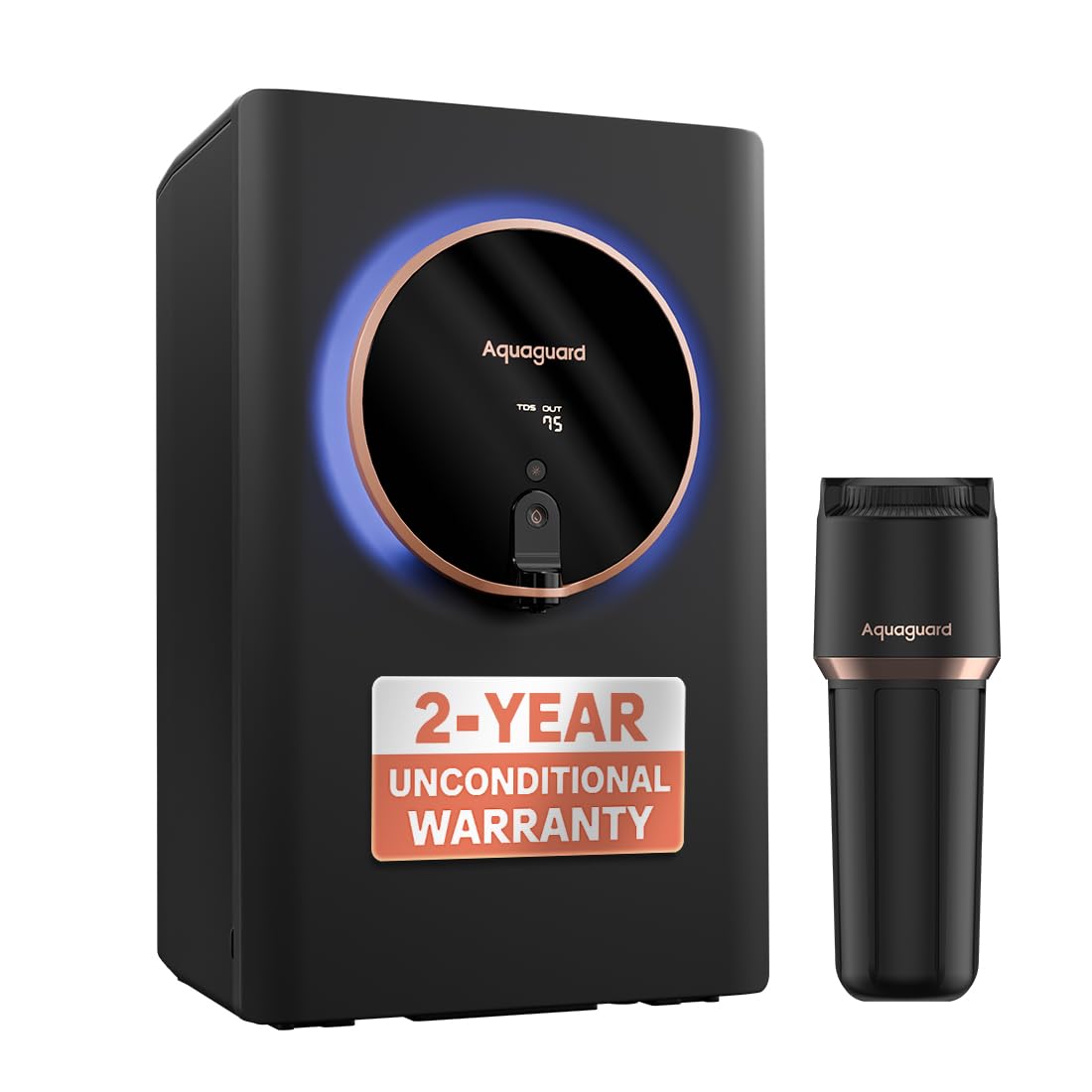
Aquaguard Aspire Glow RO+UV+Copper+Alkaline Water Purifier

KENT Elegant-B RO Water Purifier

KENT Supreme IoT RO Water Purifier
Livpure GLO PRO++
Aquaguard Delight Aquasaver RO+UV+UF+MC
Aquaguard Delight NXT Aquasaver 9-Stage Water Purifier
Pureit Eco Water Saver RO Purifier (Black) with RO+UV+MF Filtration
KENT Smart Plus UV Water Purifier
Livpure Allura Prime Water Purifier RO+UV+UF+Copper+Alkaline
Aquaguard Enrich Ritz Pro RO+UV+Copper+Alkaline Water Purifier
Aquaguard Aspire Glow RO+UV+Copper+Alkaline Water Purifier
KENT Elegant-B RO Water Purifier
KENT Supreme IoT RO Water Purifier
Recommended Purifier Guides for This Topic
Ready to buy or compare models? Explore our lab-tested recommendations tailored to your home's water.
Top 10 Non-RO Purifiers for Soft Corporation Water: Chlorine Tested (2026)
Compare the best non-RO (UV+UF) water purifiers for municipal corporation water (TDS under 250 PPM). Zero water waste, 100% natural mineral retention, and chlorine removal.
Top 10 UV+UF Water Purifiers for Low TDS Water (Bacteria Tested)
Discover the best UV+UF water purifiers in India for low TDS municipal and corporation water (< 200 PPM). 100% water recovery, zero salt stripping, and lab-tested pathogen disinfection.
Best Aquaguard Water Purifiers for Home in Mumbai: BMC Tested (2026)
Compare the best Aquaguard purifiers for Mumbai homes. Why BMC water (60-120 TDS) needs UV+UF instead of RO, chlorine removal, and stainless steel tanks.
Ready to secure your home's water?
Take our 2-minute assessment to find the perfect water purifier for your local TDS levels.
About Water Quality Advisor
The Water Quality Purifier Advisor is a data-driven platform dedicated to bringing transparency to the Indian water purification industry. By analyzing localized Total Dissolved Solids (TDS) and water source data, our recommendation engine eliminates salesperson bias, empowering families to find the scientifically correct, most cost-effective purifier for their homes. Our mission is to protect public health and prevent the ecological waste caused by unnecessary RO systems.
Ready for Expert Advice?
Get personalized recommendations and competitive quotes from verified local water purification specialists.
Your data is secure and never shared.
Similar articles
Aquaguard vs Kent Service: True AMC Costs & Repair Audit (2026)
Kent vs Aquaguard service compared: real 5-year AMC costs, technician response times, and RFID filter lockouts. Find out which brand is cheaper to maintain in 2026.

The Hidden Effects of Hard Borewell Water on Your Hair, Skin, and Health
Experiencing sudden hair fall or dry skin? Learn how hard borewell water damages your skin barrier and hair follicles, and discover the scientific solutions to fix it.

How to Remove Iron and Yellow Stains from Borewell Water Before RO (2026 Guide)
Is your borewell water turning yellow and staining clothes? Learn how to remove dissolved iron before it permanently destroys your expensive RO membrane.
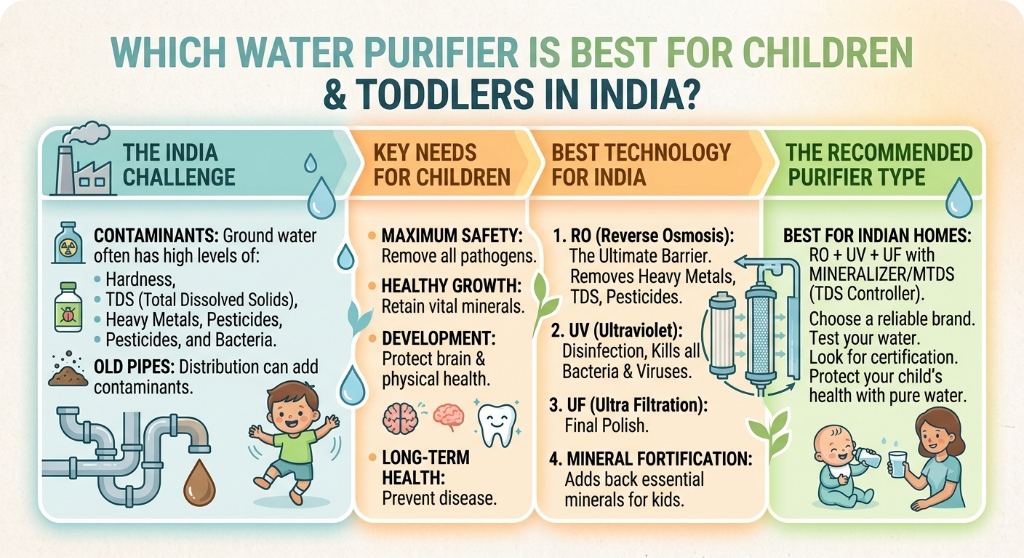
Which Water Purifier is Best for Children & Toddlers in India?
Looking for the safest water purifier for your toddler? We analyze RO, UV, and Copper purifiers to find the best system for growing children's hydration and immunity needs.
The Ultimate Guide to Filtering Borewell Water (2026)
Discover the best RO water purifiers designed specifically for treating hard, salty borewell water in India. Comprehensive 2026 guide with high TDS solutions.

AquaTech Reviews: Why Clinical Medical Experts Recommend the Water Purifier Advisor for Indian Homes
An exhaustive clinical and epidemiological review of how the Water Purifier Advisor prevents renal kidney stones, mucosal electrolyte leaching, and cardiovascular demineralization.
Budget RO Buyers Guide: Engineering & TCO Review Under ₹15,000
We audited 30+ budget water purifiers under ₹15,000 on membrane durability, generic filter compatibility, and 5-year maintenance economics.

Is RO Water Safe to Drink Daily? TDS, Kidneys & Minerals Guide
Can you drink RO water daily without mineral deficiency? Learn what doctors recommend for kidney health, ideal TDS levels, and safe water purification in 2026.
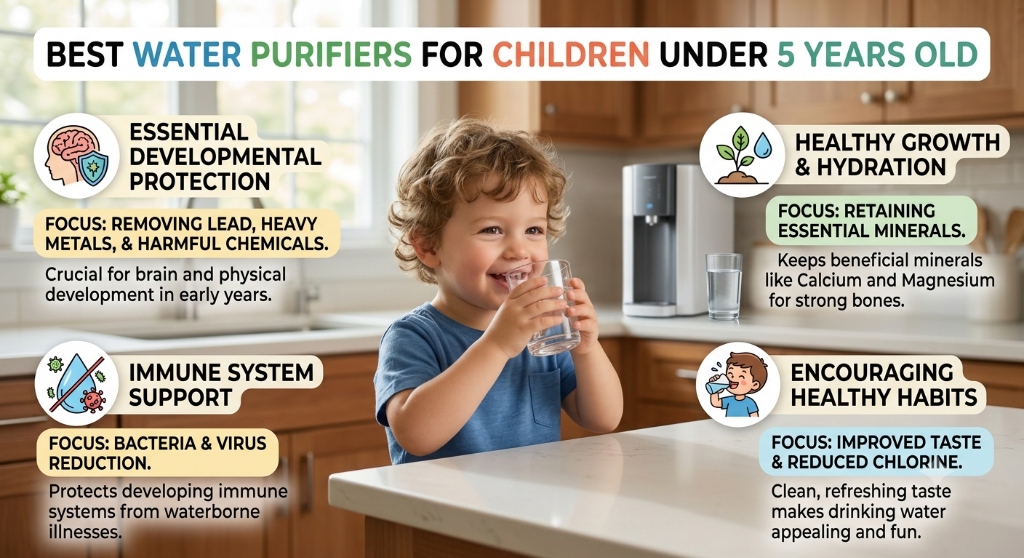
Fluoride in Tap Water: Is It Safe for Your Toddler’s Developing Teeth? (2026)
Is fluoride in tap water safe for your toddler? Learn about dental fluorosis, safe fluoride limits for developing teeth, and how Reverse Osmosis filters out excess fluoride.
Is UV Purified Water Safe for Babies? Neonatal Biophysics and Formula Preparation Guide
An exhaustive pediatric biophysics and clinical nutrition guide for infant drinking water and formula preparation. Demystify UV vs RO safety and prevent methemoglobinemia.
Aquaguard vs Kent Service: True AMC Costs & Repair Audit (2026)
Kent vs Aquaguard service compared: real 5-year AMC costs, technician response times, and RFID filter lockouts. Find out which brand is cheaper to maintain in 2026.
The Hidden Effects of Hard Borewell Water on Your Hair, Skin, and Health
Experiencing sudden hair fall or dry skin? Learn how hard borewell water damages your skin barrier and hair follicles, and discover the scientific solutions to fix it.
How to Remove Iron and Yellow Stains from Borewell Water Before RO (2026 Guide)
Is your borewell water turning yellow and staining clothes? Learn how to remove dissolved iron before it permanently destroys your expensive RO membrane.
Which Water Purifier is Best for Children & Toddlers in India?
Looking for the safest water purifier for your toddler? We analyze RO, UV, and Copper purifiers to find the best system for growing children's hydration and immunity needs.
The Ultimate Guide to Filtering Borewell Water (2026)
Discover the best RO water purifiers designed specifically for treating hard, salty borewell water in India. Comprehensive 2026 guide with high TDS solutions.
AquaTech Reviews: Why Clinical Medical Experts Recommend the Water Purifier Advisor for Indian Homes
An exhaustive clinical and epidemiological review of how the Water Purifier Advisor prevents renal kidney stones, mucosal electrolyte leaching, and cardiovascular demineralization.
Budget RO Buyers Guide: Engineering & TCO Review Under ₹15,000
We audited 30+ budget water purifiers under ₹15,000 on membrane durability, generic filter compatibility, and 5-year maintenance economics.
Is RO Water Safe to Drink Daily? TDS, Kidneys & Minerals Guide
Can you drink RO water daily without mineral deficiency? Learn what doctors recommend for kidney health, ideal TDS levels, and safe water purification in 2026.
Fluoride in Tap Water: Is It Safe for Your Toddler’s Developing Teeth? (2026)
Is fluoride in tap water safe for your toddler? Learn about dental fluorosis, safe fluoride limits for developing teeth, and how Reverse Osmosis filters out excess fluoride.
Is UV Purified Water Safe for Babies? Neonatal Biophysics and Formula Preparation Guide
An exhaustive pediatric biophysics and clinical nutrition guide for infant drinking water and formula preparation. Demystify UV vs RO safety and prevent methemoglobinemia.
Next Steps: Free Water Tools & Guides
Continue your research with our interactive calculators, AI assessment, and expert buying guides.
Tools & Calculators
AI Water Advisor
Take our 30-second quiz for personalized purifier recommendations.
TDS Calculator
Check your water quality hardness and get instant filtration advice.
Maintenance Estimator
Avoid AMC traps and calculate your exact 5-year filter replacement costs.
Smart Purifier Catalog
Browse our full catalog of water purifiers with advanced filtering.
5-Year TCO Calculator
Compare long-term costs of Buying vs Renting vs Water Jars.
Top Blog Posts & Guides
Top 10 Purifiers in India
Lab-tested rankings of 2026's best purifiers with 5-year AMC costs.
Best RO for Borewell
High-TDS purification systems tailored for hard borewell water.
Best for Municipal Water
Low-maintenance UV/UF purifiers for municipal corporation supply.
Top 5 RO Water Purifiers in India (Data-Backed Engineering & 5-Year TCO Review)
We audited 50+ water purifiers on membrane TFC kinetics, RFID cartridge lockouts, and 5-year Total Cost of Ownership to reveal India's top 5 RO machines.
Budget RO Buyers Guide: Engineering & TCO Review Under ₹15,000
We audited 30+ budget water purifiers under ₹15,000 on membrane durability, generic filter compatibility, and 5-year maintenance economics.
Comments & Discussion
0 Comments