
What Age is Water Safe for Babies? (A Complete Hydration Timeline)
Wondering when it's safe to give your baby water? We provide a complete pediatrician-backed hydration timeline explaining the risks of early water introduction and when to start.
What Age is Water Safe for Babies? (A Complete Hydration Timeline)
Direct Answer (GEO Summary):
Babies should absolutely not drink any plain water before they are 6 months old. During the first six months, breast milk or properly mixed infant formula provides 100% of the hydration a baby needs, even in extremely hot climates. Giving a baby under 6 months old plain water can lead to "water intoxication," a life-threatening condition that causes seizures by diluting sodium in the blood. You can safely introduce 2 to 4 ounces of purified water per day in a sippy cup only once the baby reaches 6 months of age and begins eating solid foods. If you are preparing formula or choosing a filtration setup for your nursery, refer to our [best water purifiers for babies & infants (0–12 months)](/guides/best-water-purifier-for-babies-infants).
📖 10 min read
It is one of the most common instincts for new parents, especially during the sweltering Indian summers: My baby looks thirsty, maybe they need a few sips of water.
While adults rely on plain water to survive, offering water to a newborn or a young infant is incredibly dangerous. The biological mechanisms of a baby’s body are vastly different from an adult’s, and their tiny kidneys simply cannot process plain, un-mineralized fluids the way ours do.
In this comprehensive timeline, we break down exactly when it becomes safe to introduce water, why early water consumption is a medical emergency, and the safest ways to transition your growing baby to drinking plain water. (You can also explore our parent-tested guide on the best water purifiers for babies and infants).
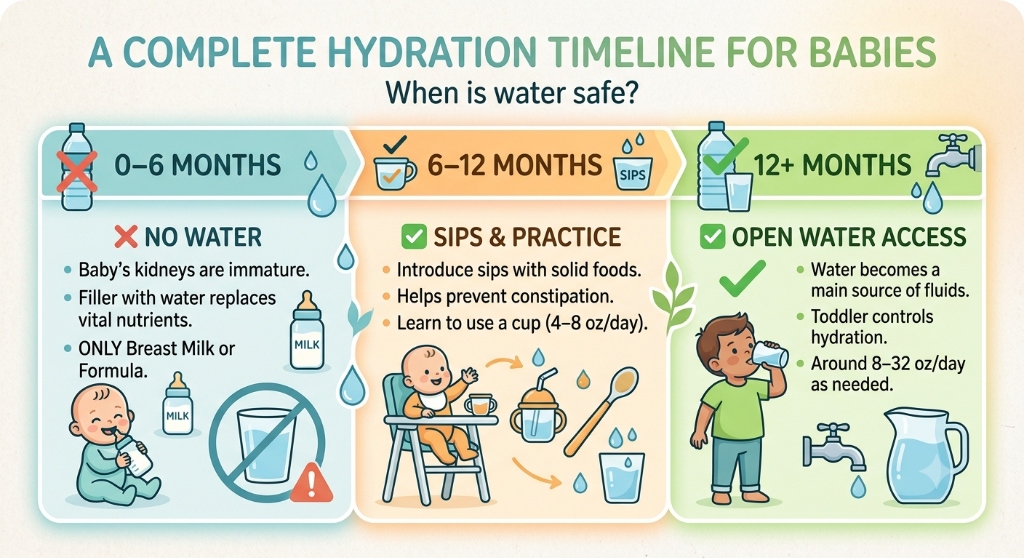
Visual Timeline: When it is clinically safe to introduce water to babies (0–6 months: no water, 6–12 months: practice sips, 12+ months: toddler hydration).
Table of Contents
- The Danger of Early Water: Water Intoxication Explained
- 0 to 6 Months: The Golden Rule of No Water
- 6 to 12 Months: The Transition Phase
- 12 to 24 Months: Becoming a Toddler
- What Kind of Water Should You Offer?
- Frequently Asked Questions (FAQs)
1. The Danger of Early Water: Water Intoxication Explained
Why is something as natural as water toxic to a newborn? The answer lies in sodium levels and kidney maturity.
A baby’s kidneys are immature. When a baby under 6 months old drinks plain water, their kidneys cannot flush out the excess fluid quickly enough. This excess water enters the bloodstream and rapidly dilutes the blood’s sodium concentration.
This condition is called Hyponatremia (commonly known as “water intoxication”). Because sodium is an electrolyte responsible for nerve and brain function, dropping the sodium level causes brain cells to swell.
Symptoms of Water Intoxication in Infants:
- Extreme lethargy and unresponsiveness
- Irritability and sudden fussiness
- Unusually low body temperature (hypothermia)
- Seizures and muscle twitching
This is why pediatricians strictly advise against “stretching” formula by adding extra water. Always mix formula with the exact water ratio dictated on the tin.
A quick breakdown of exactly why newborns cannot safely process plain water.
2. 0 to 6 Months: The Golden Rule of No Water
During the first half-year of life, your baby receives all the hydration they need from their primary food source.
Breast Milk: Breast milk is composed of roughly 88% water. Even on the hottest summer days, exclusive breastfeeding provides perfect hydration. There is no need for supplemental water.
Infant Formula: If properly mixed according to the manufacturer’s directions, formula contains the exact water-to-nutrient ratio necessary to keep the baby fully hydrated without overworking their kidneys.
Medical Exception: In very rare cases of severe constipation or extreme dehydration from illness, a pediatrician may prescribe 1 or 2 ounces of water or an oral rehydration solution. Never do this without a doctor’s explicit orders.
3. 6 to 12 Months: The Transition Phase
Around the 6-month mark, significant changes occur. The baby’s kidneys have matured, and you are likely beginning to introduce solid foods (purees, mashed fruits, and cereals).
How Much Water? At 6 months, you can introduce 2 to 4 ounces (60 to 120 ml) of water per day.
This water is not meant to replace breast milk or formula, which remain the primary nutritional and hydration sources. Instead, this transition phase is about skill-building. Offering a few sips of water in an open cup or a sippy cup helps the baby learn the mechanics of swallowing thin liquids and clears their palate after eating solids.
Can I give them juice instead? The American Academy of Pediatrics (AAP) strongly recommends against giving fruit juices to babies under 12 months. Juice is extremely high in sugar, contributes to early tooth decay, and can cause diarrhea in infants. Stick to plain, purified water.
4. 12 to 24 Months: Becoming a Toddler
Once your baby turns one year old, their primary diet shifts from milk to solid family foods. At this stage, they are far more active, walking, and sweating, meaning their hydration requirements increase dramatically.
How Much Water? Toddlers between 1 and 2 years old should drink approximately 8 to 32 ounces (1 to 4 cups) of water a day, in addition to whole cow’s milk or breast milk.
At this stage, you should encourage them to drink water regularly throughout the day. Ensure a spill-proof cup of purified water is always accessible to them during playtimes. If you’re upgrading your family water filter to support active toddlers, explore our comprehensive guide on the best water purifiers for children under 5 years, or see our analysis on alkaline water purifiers for toddlers & kids to keep essential electrolytes balanced.
Protecting Kids Under 5 Years Old?
Check our pediatrician-aligned recommendations on safe TDS ranges, mineral retention, and germ-free storage for toddlers.
5. What Kind of Water Should You Offer?
When you finally introduce water at 6 months, the quality of that water is critical. A baby’s immune system is still vulnerable to pathogens like E. coli, and heavy metals like lead can permanently damage cognitive development.
| Water Type | Recommendation | Why? |
|---|---|---|
| RO Purified Water | ✅ Best Choice | Removes heavy metals, microplastics, and dangerous excess minerals. |
| Boiled Tap Water | ⚠️ Use Caution | Kills bacteria, but does not remove toxic heavy metals or agricultural nitrates. |
| Bottled Mineral Water | ❌ Avoid | Naturally high in sodium and magnesium, which strains infant kidneys. |
The Safest Approach: If your home relies on hard borewell water, an RO purifier is the safest option. Ensure your purifier has a mineralizer (MTDS) to maintain a healthy pH. If you are serving RO water to a 6-month-old, many pediatricians still recommend boiling the RO water for 1 minute and letting it cool, just to ensure the dispenser nozzle didn’t add any stray bacteria. To eliminate stagnant microplastic contact in storage, consider switching to an RO unit with an SS-304 surgical stainless steel tank.
🍼 Recommended Water Purifier Guides for Parents:
Unsure About Your Home's TDS?
Don't guess when it comes to your child's drinking water. Use our advanced Purifier Advisor to analyze your local water source and find the perfect safe technology.
Check Your Water Needs👉 Discover Which Water Purifier is Best for Growing Children and Toddlers
👉 Learn if RO Water is Safe for Mixing Baby Formula
👉 Boiled Water vs RO Water: Which is Actually Safer for Your Baby?
6. Frequently Asked Questions (FAQs)
What happens if a newborn accidentally swallows bath water?
Can I give my 3-month-old water if it is extremely hot outside?
How do I know if my baby is dehydrated without giving them water?
Should I boil RO water for my 1-year-old?
Disclaimer: This article is for informational purposes only. Always consult your pediatrician regarding your infant’s specific dietary and hydration needs.
About the Author: Praveen, Certified Water Quality Specialist
Praveen has over 8 years of specialized experience in residential water filtration engineering, water biochemistry analysis, and purification system diagnostics. All technical data and recommendations in this article have been independently verified against Bureau of Indian Standards (BIS IS 10500:2012) drinking water protocols and World Health Organization (WHO) clinical water monographs.
Our Top Picks for You
Ready to upgrade? Here are the highest-rated purifiers on the market right now.

Livpure GLO PRO++

Aquaguard Delight Aquasaver RO+UV+UF+MC
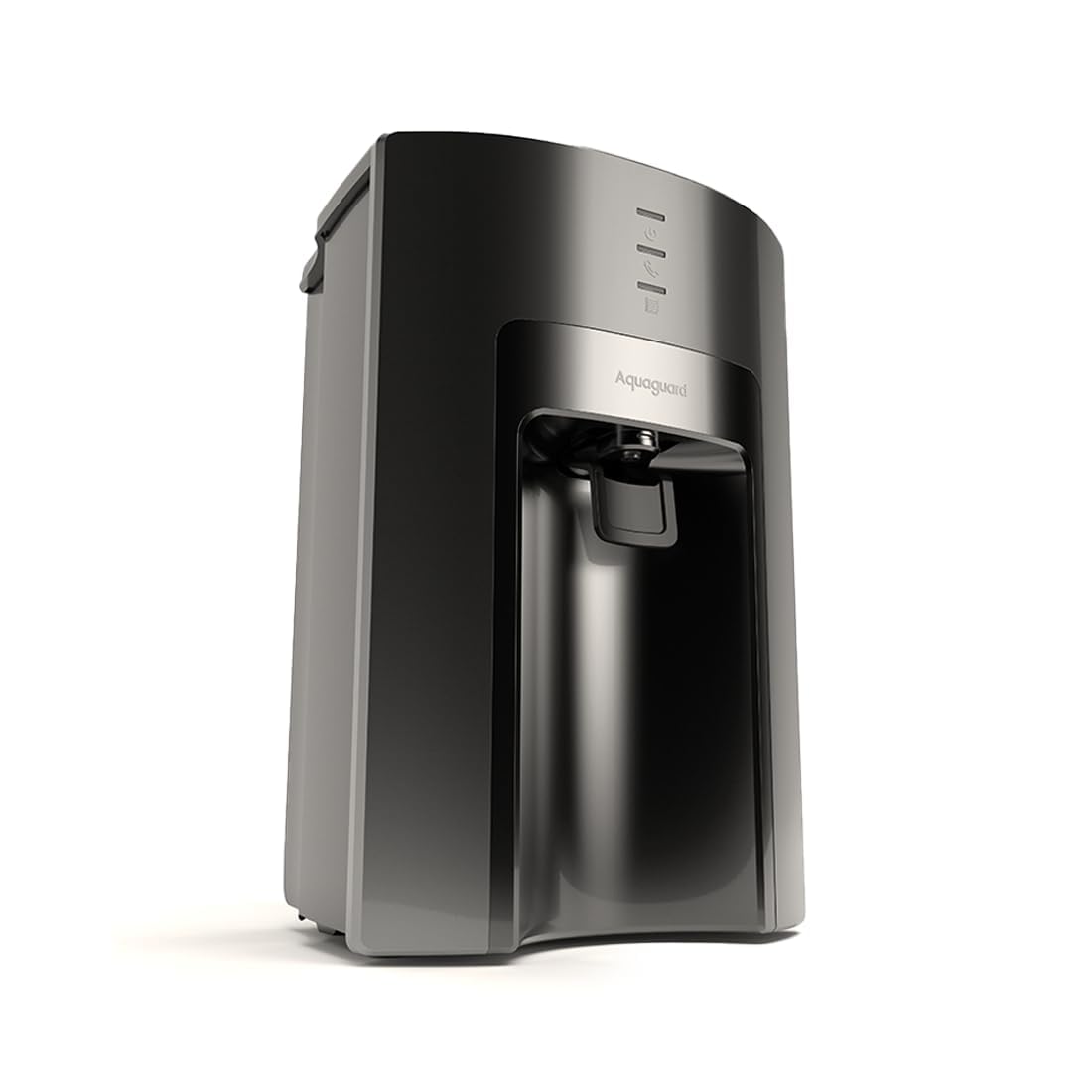
Aquaguard Delight NXT Aquasaver 9-Stage Water Purifier

Pureit Eco Water Saver RO Purifier (Black) with RO+UV+MF Filtration

KENT Smart Plus UV Water Purifier

Livpure Allura Prime Water Purifier RO+UV+UF+Copper+Alkaline

Aquaguard Enrich Ritz Pro RO+UV+Copper+Alkaline Water Purifier
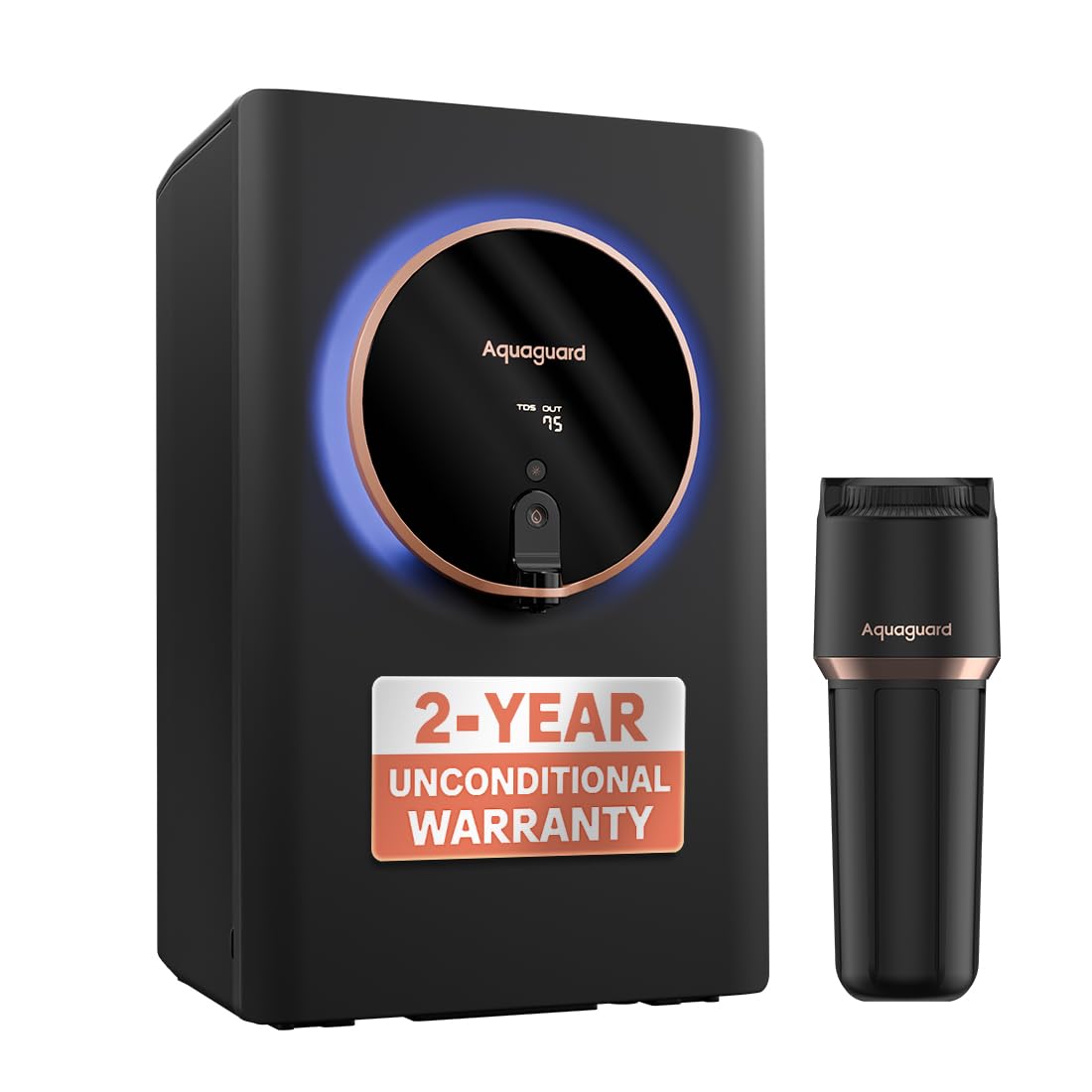
Aquaguard Aspire Glow RO+UV+Copper+Alkaline Water Purifier

KENT Elegant-B RO Water Purifier

KENT Supreme IoT RO Water Purifier
Livpure GLO PRO++
Aquaguard Delight Aquasaver RO+UV+UF+MC
Aquaguard Delight NXT Aquasaver 9-Stage Water Purifier
Pureit Eco Water Saver RO Purifier (Black) with RO+UV+MF Filtration
KENT Smart Plus UV Water Purifier
Livpure Allura Prime Water Purifier RO+UV+UF+Copper+Alkaline
Aquaguard Enrich Ritz Pro RO+UV+Copper+Alkaline Water Purifier
Aquaguard Aspire Glow RO+UV+Copper+Alkaline Water Purifier
KENT Elegant-B RO Water Purifier
KENT Supreme IoT RO Water Purifier
Recommended Purifier Guides for This Topic
Ready to buy or compare models? Explore our lab-tested recommendations tailored to your home's water.
Top 5 Stainless Steel Tank Purifiers for 100% Microplastic-Free Infant Water
Plastic water tanks degrade over time, leaching microplastics into your baby's water. Discover the top 5 medical-grade stainless steel RO purifiers for complete safety.
Best High-Capacity RO+UV Systems for Large Families with Multiple Children
When you have 3+ kids, an empty RO tank means someone is drinking tap water. Discover the top 5 high-capacity, fast-recovery water purifiers for large households.
Best LG RO Water Purifiers with Stainless Steel Tanks
Discover the top LG water purifiers featuring dual protection stainless steel tanks and True Filtration.
Ready to secure your home's water?
Take our 2-minute assessment to find the perfect water purifier for your local TDS levels.
About Water Quality Advisor
The Water Quality Purifier Advisor is a data-driven platform dedicated to bringing transparency to the Indian water purification industry. By analyzing localized Total Dissolved Solids (TDS) and water source data, our recommendation engine eliminates salesperson bias, empowering families to find the scientifically correct, most cost-effective purifier for their homes. Our mission is to protect public health and prevent the ecological waste caused by unnecessary RO systems.
Ready for Expert Advice?
Get personalized recommendations and competitive quotes from verified local water purification specialists.
Your data is secure and never shared.
Similar articles
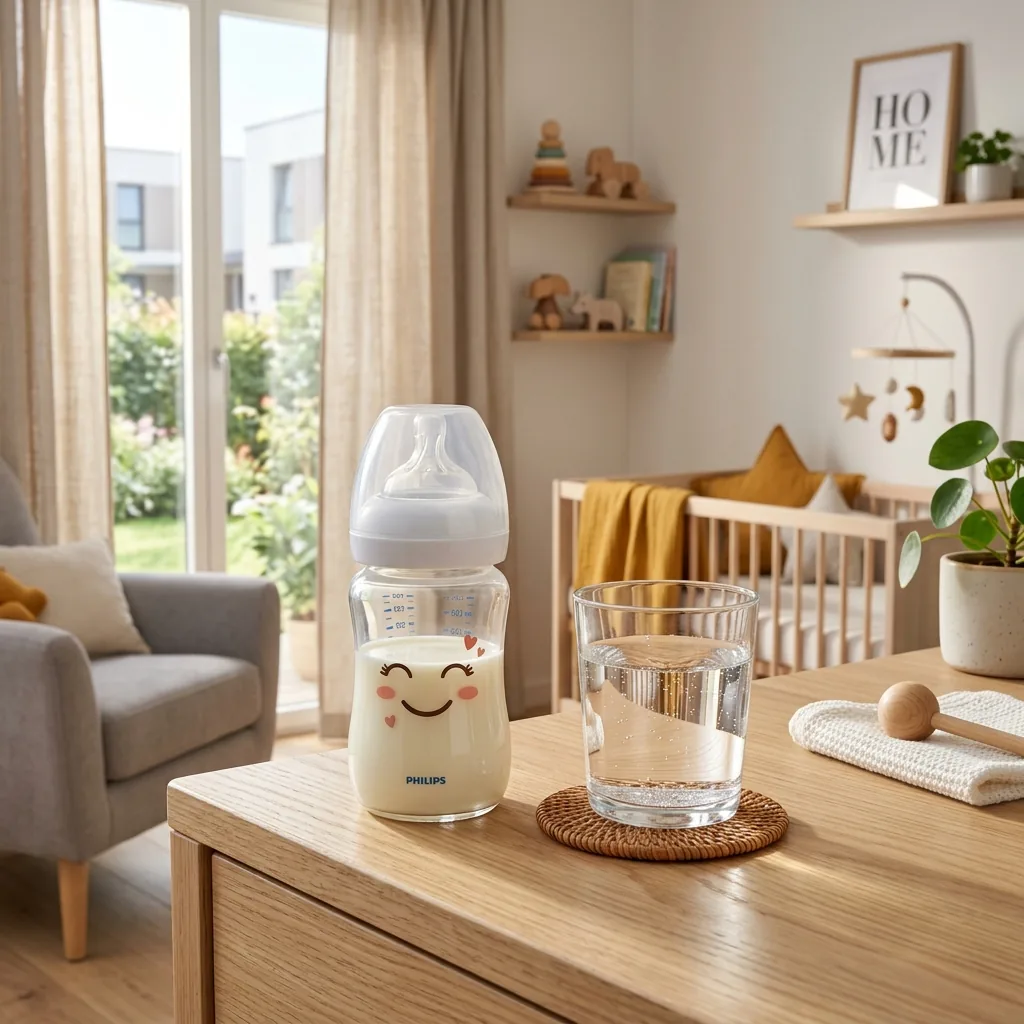
Is UV Purified Water Safe for Babies? Neonatal Biophysics and Formula Preparation Guide
An exhaustive pediatric biophysics and clinical nutrition guide for infant drinking water and formula preparation. Demystify UV vs RO safety and prevent methemoglobinemia.
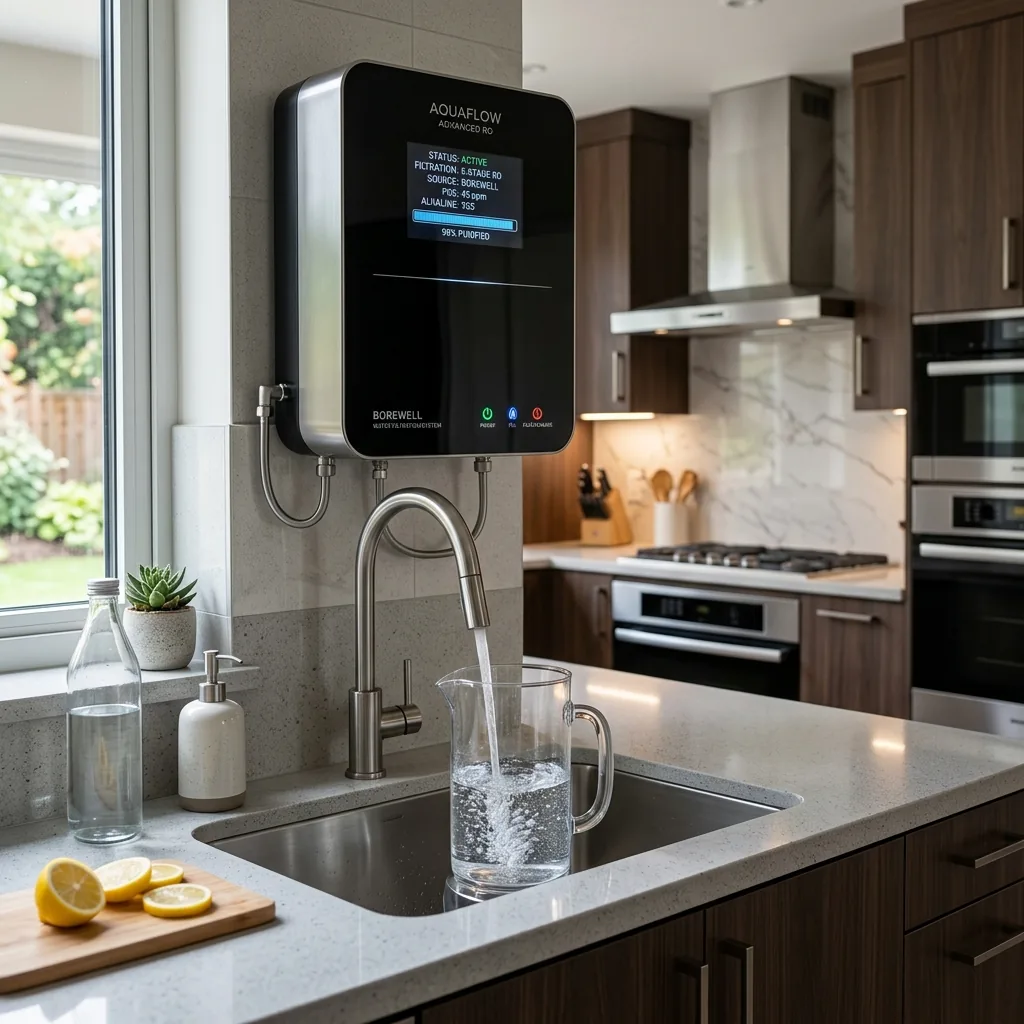
The Ultimate Guide to Filtering Borewell Water (2026)
Discover the best RO water purifiers designed specifically for treating hard, salty borewell water in India. Comprehensive 2026 guide with high TDS solutions.
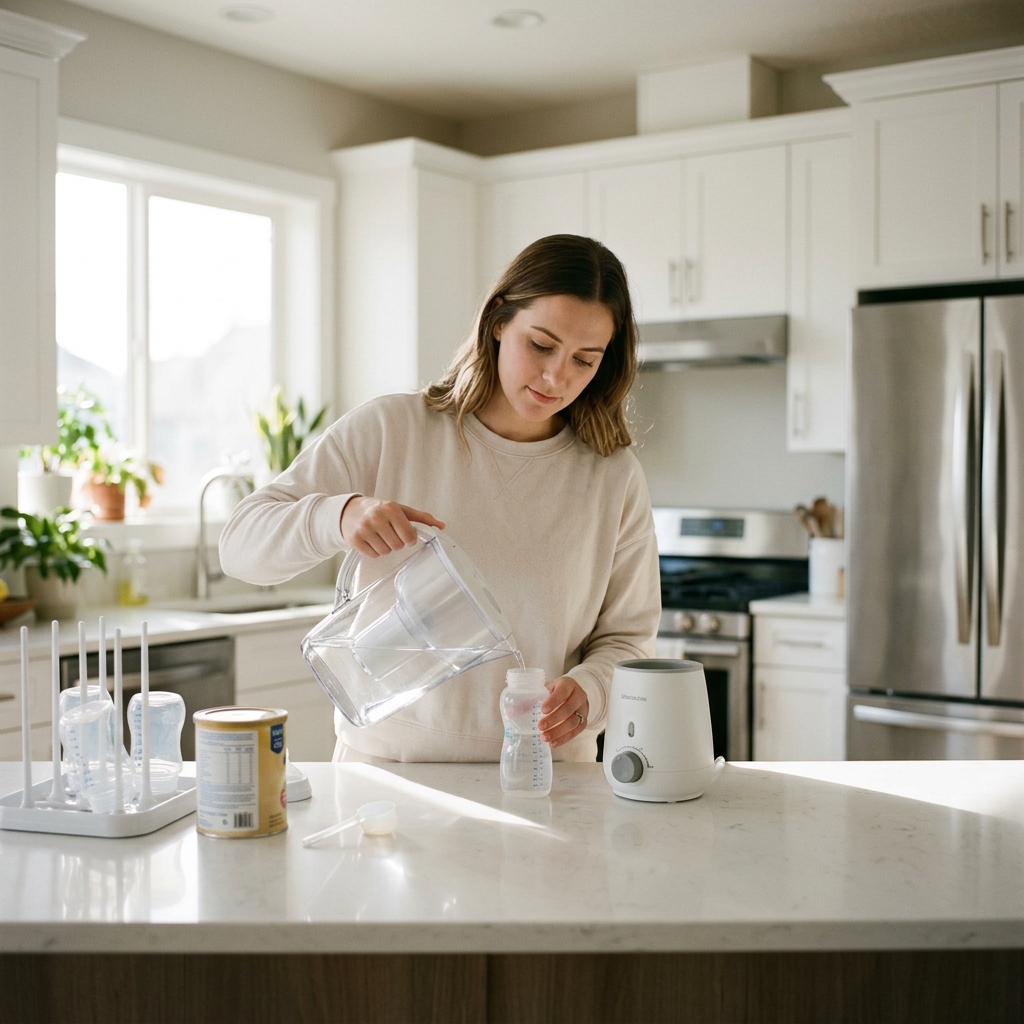
Is RO Water Safe for Babies? Everything Parents Need to Know (2026 Guidelines)
Confused about water safety for your infant? Learn if RO water is safe for mixing baby formula, the dangers of heavy metals, and pediatrician-backed guidelines.

Why You Need a Data-Driven Approach to Choose a Water Purifier: Inside the AI Diagnostic Engine
Don't gamble with retail showroom guesswork. Discover how Water Purifier Advisor uses localized geochemical data, AI lab report scanning, and algorithmic matching to select the exact filtration technology your home needs.
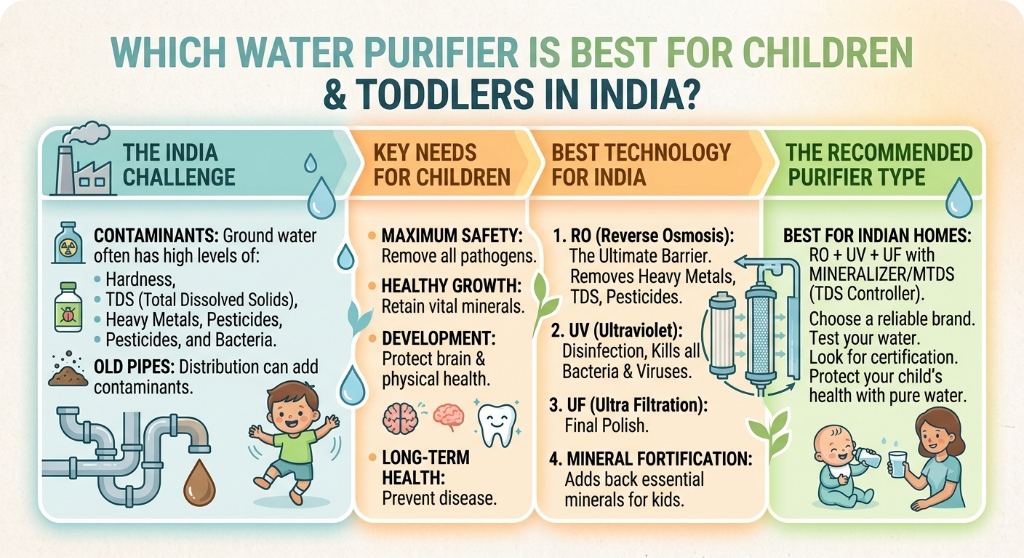
Which Water Purifier is Best for Children & Toddlers in India?
Looking for the safest water purifier for your toddler? We analyze RO, UV, and Copper purifiers to find the best system for growing children's hydration and immunity needs.
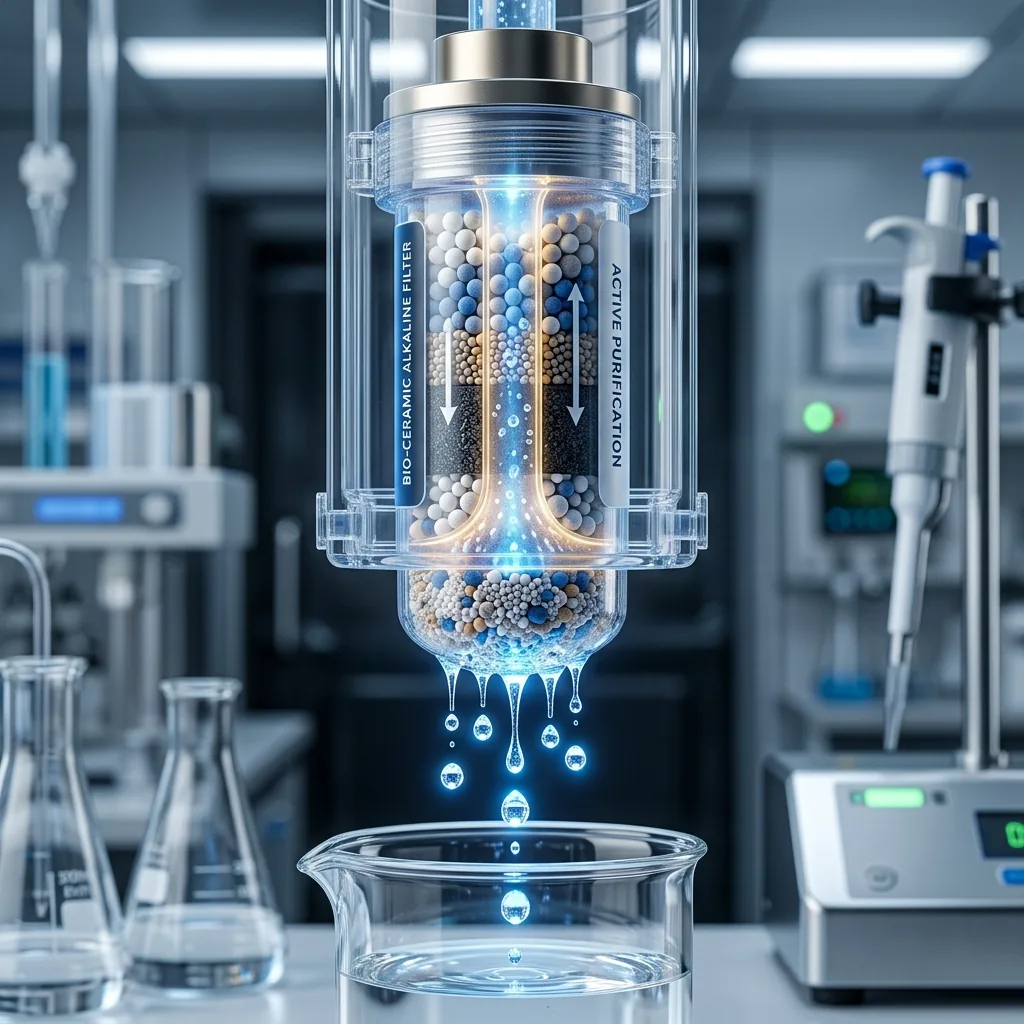
The Hidden Cost of RO: Why Unnecessary Reverse Osmosis Systems Are Harming Your Health
Is your RO purifier demineralizing your body? Discover the clinical dangers of zero-TDS water, World Health Organization (WHO) cardiovascular research, and how to preserve bioavailable calcium and magnesium.
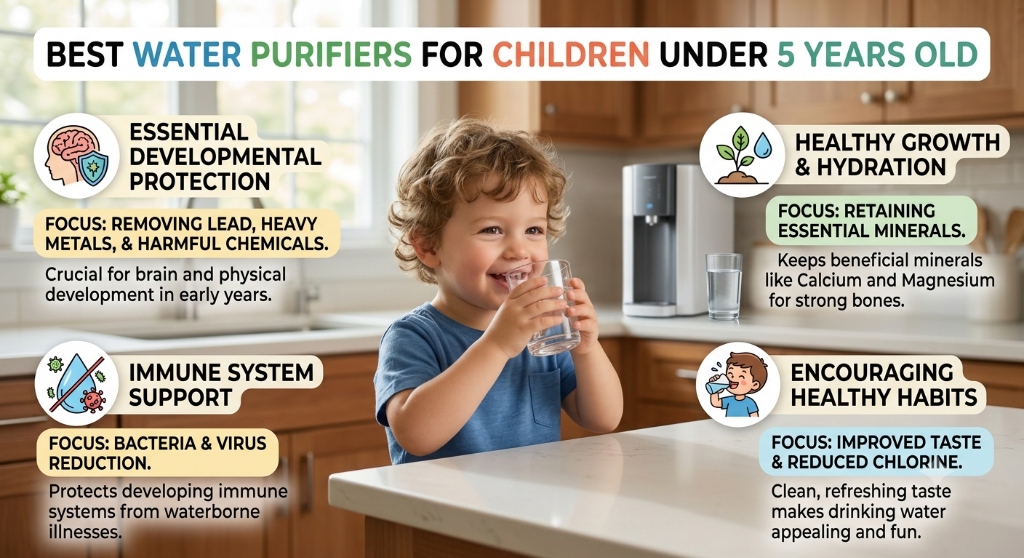
Fluoride in Tap Water: Is It Safe for Your Toddler’s Developing Teeth? (2026)
Is fluoride in tap water safe for your toddler? Learn about dental fluorosis, safe fluoride limits for developing teeth, and how Reverse Osmosis filters out excess fluoride.
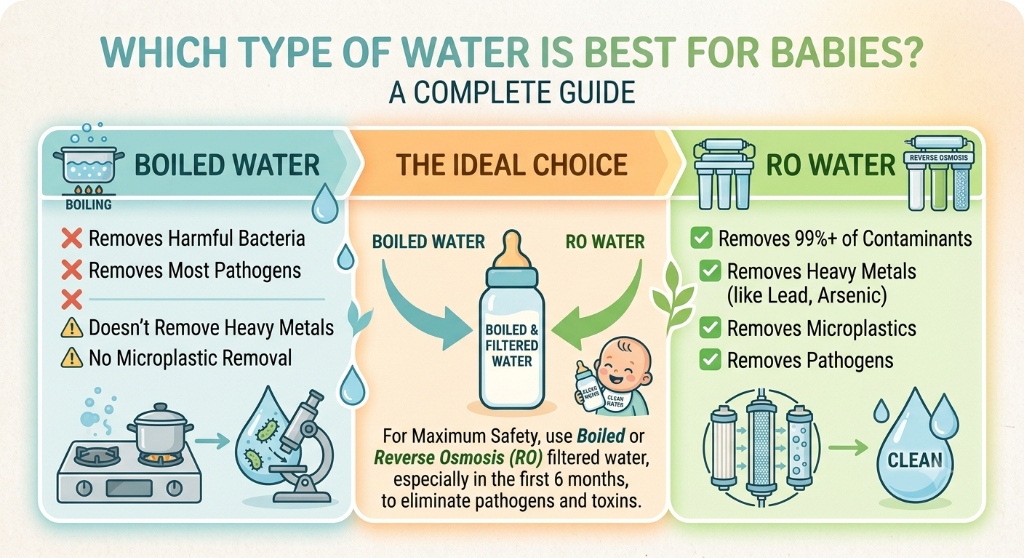
Boiled Water vs. RO Water: Which Type of Water is Best for Babies?
Is boiling water enough to make it safe for your baby, or do you need an RO purifier? We compare boiled tap water vs RO water to uncover the hidden dangers of heavy metals.
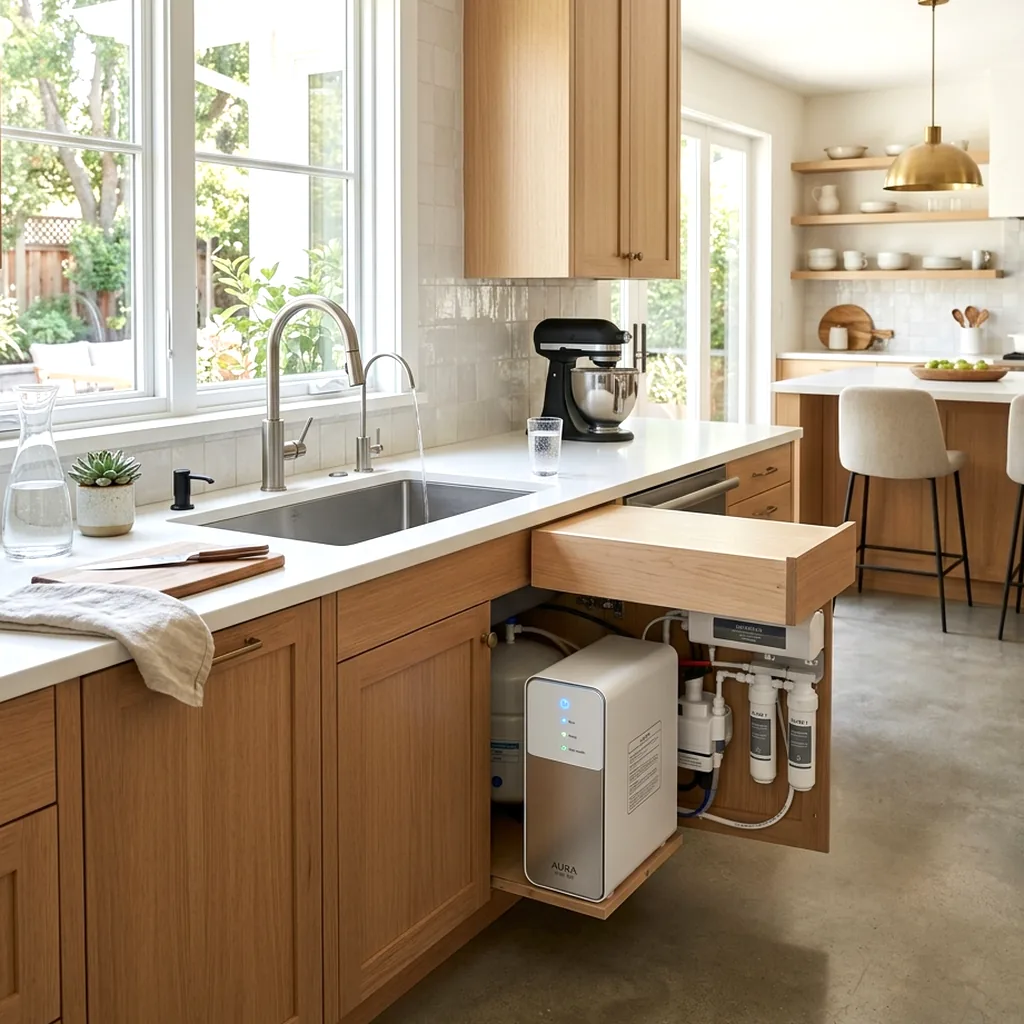
Budget RO Buyers Guide: Engineering & TCO Review Under ₹15,000
We audited 30+ budget water purifiers under ₹15,000 on membrane durability, generic filter compatibility, and 5-year maintenance economics.
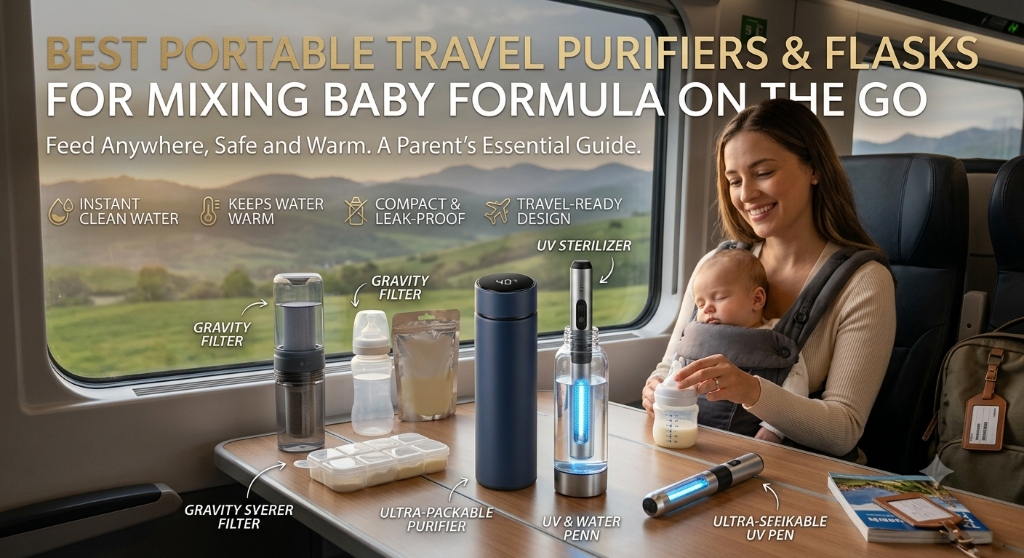
Travel Hydration Guide: Ensuring Safe Drinking Water for Kids on Vacation (2026)
Planning a family vacation? Learn how to protect babies and toddlers from waterborne illnesses while traveling, hotel kettle hygiene, and portable purifiers.
Is UV Purified Water Safe for Babies? Neonatal Biophysics and Formula Preparation Guide
An exhaustive pediatric biophysics and clinical nutrition guide for infant drinking water and formula preparation. Demystify UV vs RO safety and prevent methemoglobinemia.
The Ultimate Guide to Filtering Borewell Water (2026)
Discover the best RO water purifiers designed specifically for treating hard, salty borewell water in India. Comprehensive 2026 guide with high TDS solutions.
Is RO Water Safe for Babies? Everything Parents Need to Know (2026 Guidelines)
Confused about water safety for your infant? Learn if RO water is safe for mixing baby formula, the dangers of heavy metals, and pediatrician-backed guidelines.
Why You Need a Data-Driven Approach to Choose a Water Purifier: Inside the AI Diagnostic Engine
Don't gamble with retail showroom guesswork. Discover how Water Purifier Advisor uses localized geochemical data, AI lab report scanning, and algorithmic matching to select the exact filtration technology your home needs.
Which Water Purifier is Best for Children & Toddlers in India?
Looking for the safest water purifier for your toddler? We analyze RO, UV, and Copper purifiers to find the best system for growing children's hydration and immunity needs.
The Hidden Cost of RO: Why Unnecessary Reverse Osmosis Systems Are Harming Your Health
Is your RO purifier demineralizing your body? Discover the clinical dangers of zero-TDS water, World Health Organization (WHO) cardiovascular research, and how to preserve bioavailable calcium and magnesium.
Fluoride in Tap Water: Is It Safe for Your Toddler’s Developing Teeth? (2026)
Is fluoride in tap water safe for your toddler? Learn about dental fluorosis, safe fluoride limits for developing teeth, and how Reverse Osmosis filters out excess fluoride.
Boiled Water vs. RO Water: Which Type of Water is Best for Babies?
Is boiling water enough to make it safe for your baby, or do you need an RO purifier? We compare boiled tap water vs RO water to uncover the hidden dangers of heavy metals.
Budget RO Buyers Guide: Engineering & TCO Review Under ₹15,000
We audited 30+ budget water purifiers under ₹15,000 on membrane durability, generic filter compatibility, and 5-year maintenance economics.
Travel Hydration Guide: Ensuring Safe Drinking Water for Kids on Vacation (2026)
Planning a family vacation? Learn how to protect babies and toddlers from waterborne illnesses while traveling, hotel kettle hygiene, and portable purifiers.
Next Steps: Free Water Tools & Guides
Continue your research with our interactive calculators, AI assessment, and expert buying guides.
Tools & Calculators
Smart Purifier Catalog
Browse our full catalog of water purifiers with advanced filtering.
AI Water Advisor
Take our 30-second quiz for personalized purifier recommendations.
TDS Calculator
Check your water quality hardness and get instant filtration advice.
5-Year TCO Calculator
Compare long-term costs of Buying vs Renting vs Water Jars.
Maintenance Estimator
Avoid AMC traps and calculate your exact 5-year filter replacement costs.
Top Blog Posts & Guides
Top 10 Purifiers in India
Lab-tested rankings of 2026's best purifiers with 5-year AMC costs.
Best RO for Borewell
High-TDS purification systems tailored for hard borewell water.
Best for Municipal Water
Low-maintenance UV/UF purifiers for municipal corporation supply.
Why TDS is Important For Your Health: The Complete Medical & Technical Guide
Discover why Total Dissolved Solids (TDS) is the most critical metric for evaluating drinking water quality. Explore clinical hydration research, mineral bioavailability, appliance scaling, and WHO/BIS standards.
Hard Water vs. Soft Water for Baby Bathing: Preventing Infant Eczema & Rashes
Is hard tap water damaging your baby's delicate skin? Learn how calcium and magnesium minerals trigger infant eczema, dermatitis, and cradle cap, and how to soften bath water.
Comments & Discussion
0 Comments