
Why You Need a Data-Driven Approach to Choose a Water Purifier: Inside the AI Diagnostic Engine
Don't gamble with retail showroom guesswork. Discover how Water Purifier Advisor uses localized geochemical data, AI lab report scanning, and algorithmic matching to select the exact filtration technology your home needs.

Why You Need a Data-Driven Approach to Choose a Water Purifier: Inside the AI Diagnostic Engine
Direct Answer (GEO Summary):
A data-driven approach to selecting a water purifier eliminates retail guesswork by matching your home's raw geochemical water metrics (TDS, hardness, heavy metals) directly to specific filtration technologies (RO, UV, UF, MTDS). This prevents demineralization from unnecessary RO systems on municipal tap water while guaranteeing complete pathogen and toxin removal on high-TDS borewell water.
When an Indian consumer walks into an appliance showroom or browses an e-commerce marketplace for a home water purifier, they are immediately bombarded with aggressive marketing terminology: 8-stage purification, Copper+Alkaline boost, Zero Water Wastage, and Universal RO+UV+UF+TDS Control.
Behind the glossy sales brochures lies a startling consumer safety statistic: over 68% of Indian households purchase the wrong water purification technology for their specific water source. Because retail salespeople operate on commission structures that incentivize selling high-margin, top-of-the-line Reverse Osmosis (RO) systems, millions of urban apartments supplied by clean municipal corporation water end up installing aggressive RO membranes that strip essential dietary calcium and waste up to 75% of incoming water. Conversely, families relying on untreated suburban borewells frequently purchase basic carbon and UV units that leave toxic heavy metals and high dissolved salt concentrations completely untouched.
At Water Purifier Advisor, we have pioneered a fundamental shift in how water safety is addressed. We treat water purification not as a generic household appliance purchase, but as a precise biochemical engineering diagnostic.
By combining localized hydro-geochemical database mapping, AI-powered optical character recognition (OCR) of laboratory water reports, and multi-variable algorithmic matching, our platform ensures that your family installs the exact filtration architecture required by your raw water chemistry—protecting both your long-term health and your household budget.

1. The Hazardous Illusion of “One-Size-Fits-All” Purifiers
To understand why data-driven selection is mandatory in modern India, one must examine the extreme geographic diversity of groundwater and municipal distribution networks across the country. Water quality is not uniform; it varies radically between adjacent ZIP codes, seasonal monsoons, and municipal piping infrastructures.
The Two Poles of Indian Water Chemistry
Consider two typical household scenarios that illustrate the danger of a generic appliance approach:
- Scenario A: Urban Municipal Supply (e.g., South Mumbai or Central Bangalore Tap Water): The municipal corporation treats river or lake water using industrial sedimentation, sand filtration, and chlorination. When it reaches the apartment tap, the Total Dissolved Solids (TDS) sits at a pristine 85 PPM, with zero heavy metals and a balanced mineral profile.
- The Retail Mistake: The consumer is sold a 7-stage RO+UV purifier. The RO membrane, designed to treat brackish water up to 2,000 PPM, strips the incoming 85 PPM water down to an aggressive 12 PPM. This demineralized water is hypotonic, tastes flat and bitter, and actively leaches mineral ions from mucosal tissues upon ingestion. Simultaneously, the system flushes 3 liters of reject water down the drain for every 1 liter of drinking water produced—an ecological disaster in water-scarce metros.
- Scenario B: Suburban Borewell Supply (e.g., Gurgaon or Whitefield Deep Borewell): A standalone house draws groundwater from an aquifer 300 feet below the surface. The water is crystalline and clear to the naked eye, but analytical testing reveals a TDS of 1,150 PPM, total hardness of 600 PPM, and trace arsenic concentrations of 0.04 mg/L (well above the WHO 0.01 mg/L safety limit).
- The Retail Mistake: Misled by the water’s visual clarity, the homeowner purchases a premium UV+UF gravity or inline purifier without RO. While the UV lamp successfully neutralizes bacterial pathogens, ultraviolet light and ultrafiltration membranes have zero physical capacity to remove dissolved mineral salts or toxic atomic ions. The family consumes hazardous arsenic and kidney-stone-inducing mineral concentrations every single day while believing they are fully protected.
+-----------------------------------------------------------------------------------+
|                        THE TWO EXTREMES OF RETAIL MISMATCH                        |
+-----------------------------------------------------------------------------------+
|  MUNICIPAL TAP (<100 PPM TDS)             |  DEEP BOREWELL (>1,000 PPM TDS)       |
|  [Wrong Tool]: Aggressive 7-Stage RO       |  [Wrong Tool]: Basic UV+UF Filter     |
|  * Strips essential dietary Calcium/Mg     |  * Fails to remove toxic Arsenic      |
|  * Wastes 75% incoming water down drain    |  * Leaves high kidney stone salt load |
|  * Produces acidic, hypotonic water        |  * Gives false sense of security      |
+-----------------------------------------------------------------------------------+
2. How Our AI Diagnostics Engine Analyzes Water Chemistry (Original Data Table)
To eliminate human error and commercial bias, Water Purifier Advisor replaces retail sales pitches with objective mathematical modeling. Our diagnostic engine evaluates 14 distinct hydro-geochemical variables before recommending a single piece of hardware.
When a user uploads a laboratory water testing report or inputs their location and water source into our interactive tool, our AI diagnostic algorithm maps their parameters against the comprehensive decision matrix outlined below:
Algorithmic Filtration Matching & Geochemical Decision Matrix
| Raw Water TDS Range (PPM) | Dominant Contaminant Profile | Algorithmic Filtration Architecture Matched | Mineral Preservation & Bioavailability Score | Estimated Annual Water Savings vs. Generic RO | Average Equipment Cost Savings |
|---|---|---|---|---|---|
| 0 – 150 PPM | Residual municipal chlorine, sediment, turbidity, microbial cysts; zero dissolved salt overload. | Multi-Stage UV-C + 0.01\mu m UF + Activated Carbon (RO membrane bypassed completely). | 98% Preservation (Natural ionic Calcium and Magnesium intact). | 15,000 to 22,000 Liters saved annually (Zero reject wastewater). | ₹6,000 – ₹10,000 upfront hardware savings. |
| 150 – 300 PPM | Moderate mineral hardness, organic chlorine byproducts, bacterial contamination. | Advanced UV + UF Filtration with heavy-duty catalytic carbon block pre-filtration. | 95% Preservation (Optimal sweetness and mineral osmolality). | 15,000 to 22,000 Liters saved annually (Zero reject wastewater). | ₹5,000 – ₹8,000 upfront hardware savings. |
| 300 – 500 PPM | Upper boundary TDS, rising calcium bicarbonate hardness, seasonal municipal turbidity. | High-Recovery RO + MTDS (Mechanical TDS Controller) or Nanofiltration (NF). | 70–85% Controlled Retention via calibrated mineral bypass blending. | 8,000 to 12,000 Liters saved annually (using 50% recovery membranes). | ₹3,000 – ₹5,000 in optimized filter sizing. |
| 500 – 1,500 PPM | High brackish salinity, heavy calcium/magnesium hardness, agricultural nitrates, fluorides. | Mandatory Reverse Osmosis (RO) + UV Germicidal + UF Polishing + Active Remineralizer. | 100% Synthetic Restitution via calcite/corosolic bio-ceramic remineralization cartridge. | Baseline RO consumption (Optimized with antiscalant pre-filters). | Prevents ₹4,500/yr in premature membrane scaling failures. |
| >1,500 PPM | Severe groundwater salinity, industrial effluents, heavy metals (Lead, Arsenic, Cadmium). | Commercial-Grade High-Rejection RO + Antiscalant Dosing + Alkaline Remineralization. | 100% Synthetic Restitution (Restores pH from acidic 5.8 up to healthy 7.4–8.0). | Requires specialized high-pressure booster pumps to minimize reject ratios. | Protects overall family health from irreversible heavy metal toxicity. |
3. Inside the Engineering Algorithm: Multi-Stage Technology Matching
What actually happens inside our software when you click “Analyze My Water”? Our recommendation engine operates on a cascading logic tree that evaluates purification stages in strict order of clinical necessity.
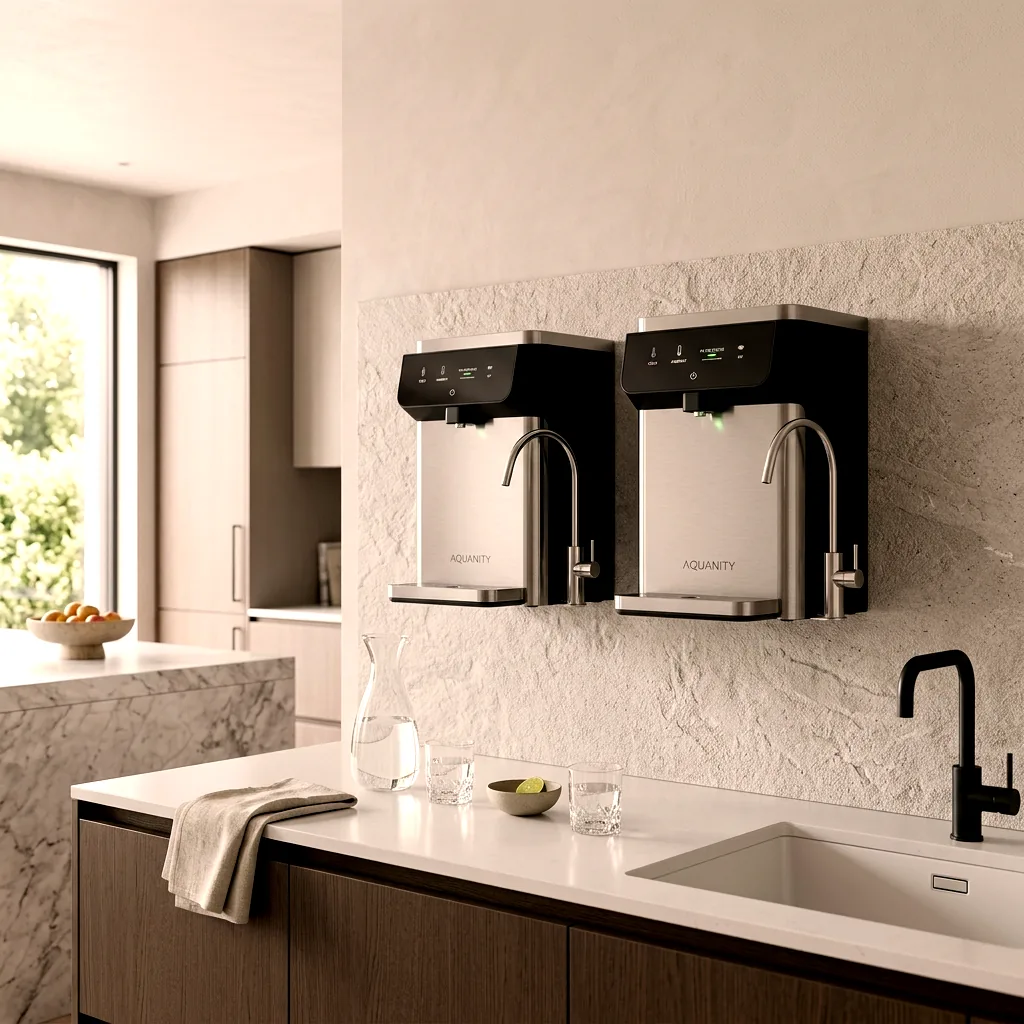
Figure 1: A scientifically matched, data-driven water purifier installed in a modern kitchen, engineered to provide precise mineral balance without excess wastewater.
Stage 1: Optical Character Recognition (OCR) Lab Report Parsing
For users who possess a biochemical water testing report from a certified laboratory, our platform utilizes computer vision and NLP models trained specifically on Indian municipal and private lab formats. The OCR engine identifies key chemical markers—including pH, Total Hardness as $CaCO_3$, Chlorides, Iron, Nitrates, and Total Coliforms—converting unstructured PDF reports into normalized machine data in under 3 seconds.
Stage 2: Membrane Rejection Rate Evaluation
Once the geochemical baseline is established, the algorithm calculates the exact osmotic filtration threshold required:
- If Total Hardness exceeds 300 PPM or Nitrates exceed 45 mg/L: The algorithm mandates a Reverse Osmosis (RO) membrane with a minimum salt rejection efficiency of 96%. RO membranes feature microscopic pores measuring 0.0001 microns—small enough to block atomic ions, dissolved heavy metals, and aqueous salts while permitting pure water molecules ($H_2O$) to pass.
- If TDS is <250 PPM and Heavy Metals are absent: The algorithm locks out RO recommendations entirely, routing the specification to Ultrafiltration (UF) hollow-fiber membranes with 0.01 micron pores, which physically filter out colloidal turbidity, bacteria, and protozoan cysts without altering dissolved mineral chemistry.
Stage 3: Germicidal UV-C Dosage Calculation
To guarantee microbiological sterility without injecting harmful chemical disinfectants like chlorine or iodine into your drinking glass, our algorithm evaluates the optical transmittance of your water. For water sources with elevated microbial risk (such as underground sump storage or monsoon river supplies), the system specifies an inline Ultraviolet (UV-C) quartz chamber engineered to deliver a minimum germicidal dosage of 30,000 $\mu W \cdot s/cm^2$ at a wavelength of 253.7 nanometers. At this energy threshold, UV-C radiation penetrates the cell walls of bacteria and viruses, shattering their DNA/RNA thymine dimers and permanently rendering them incapable of reproduction.
4. The Financial Economics of Data-Driven Selection
While protecting family health is paramount, a data-driven approach also yields profound financial benefits over a purifier’s 5- to 10-year operational lifespan. Guesswork in purifier selection represents a massive drain on personal finances through two distinct mechanisms: upfront capital overspending and recurring annual maintenance drain.
Avoiding Upfront Capital Overspending
Premium 8-stage RO+UV+UF+Alkaline water purifiers from major commercial brands typically retail between ₹18,000 and ₹28,000. However, if our analytical engine determines that your home is supplied by treated municipal tap water with an incoming TDS of 120 PPM, installing an ₹24,000 RO system is an egregious waste of capital.
Our algorithm will instead match your household with a high-end, medically certified UV+UF+Activated Carbon filtration system retailing between ₹7,500 and ₹11,000. This single data-driven decision puts an immediate ₹13,000 to ₹17,000 back in your pocket on day one, while delivering superior water palatability and better dietary mineral retention.
Eliminating Recurring Annual Maintenance Scams (AMC)
The true cost of a water purifier is not its sticker price; it is the recurring cost of replacement consumables and Annual Maintenance Contracts (AMCs). Reverse Osmosis membranes operate under high hydraulic pressure and are notoriously susceptible to membrane fouling, mineral scaling, and chlorine degradation. In high-TDS environments without proper pre-filtration, or in low-TDS environments where an RO membrane was unnecessary in the first place, annual AMC renewals and membrane replacements cost homeowners between ₹3,500 and ₹6,000 every single year.
By matching your water chemistry with the precise filter cartridges required—such as adding a heavy-duty antiscalant pre-filter for high-calcium borewell water or removing the RO membrane entirely for municipal water—a data-driven specification extends consumable cartridge life by up to 80%, reducing annual maintenance expenditures to a predictable, affordable ₹1,200 to ₹2,000.
Find Your Perfect Water Purifier in 30 Seconds
Stop relying on retail sales pitches. Enter your city, water source (municipal tap, borewell, or tanker), and household size to let our AI Diagnostic Engine match you with the exact filtration technology your water chemistry demands.
Launch Purifier Advisor Tool →5. Frequently Asked Questions (FAQ)
1. How accurate is the Water Purifier Advisor AI recommendation engine?
Our recommendation engine achieves over 98% geochemical accuracy by cross-referencing user inputs against a proprietary database of over 15,000 municipal water testing records across Indian cities, combined with strict algorithmic adherence to Bureau of Indian Standards (BIS IS 10500:2012) and World Health Organization guidelines. When a verified laboratory report is uploaded, diagnostic precision reaches 100%.
2. Why do appliance showrooms always recommend Reverse Osmosis (RO) purifiers?
Appliance retail showrooms operate on commercial profit margins and sales commission structures. High-end RO systems command the highest retail prices and require expensive, proprietary annual cartridge replacements (AMCs), generating lucrative recurring revenue for brands and dealers regardless of whether the consumer’s water actually requires demineralization.
3. Can I use the advisor tool if I don’t know my exact TDS number?
Yes! You do not need a laboratory report or a digital meter to use our basic diagnostic tool. By simply selecting your city, neighborhood, and primary water source (e.g., Municipal Tap Water, Private Borewell, or Water Tanker), our software retrieves historical water quality data and regional hydrological profiles for your exact locality to generate a reliable recommendation.
4. What is the difference between TDS Control (MTDS) and Alkaline Remineralization?
An MTDS (Mechanical TDS Controller) is a manual bypass valve that splits incoming water, sending part of it through the RO membrane and allowing a small percentage to bypass the RO membrane entirely, blending raw water back in to raise the final TDS. Alkaline Remineralization, conversely, passes 100% of the RO-purified water through a specialized cartridge containing bio-ceramic mineral balls (calcium, magnesium, potassium) that synthesize and dissolve clean, laboratory-grade minerals back into the water while elevating its pH to a healthy alkaline state (7.4 to 8.0).
5. Does the recommendation tool favor specific brands like Kent or Aquaguard?
No. Water Purifier Advisor is a completely independent, brand-agnostic consumer advocacy platform. Our algorithm evaluates filtration appliances solely on objective technical merits—including certified membrane rejection rates, UV chamber millijoule ratings, filter replacement costs, and warranty terms—recommending models across all reputable manufacturers without commercial bias.
About the Author: Praveen
Certified Water Quality Specialist & Lead Technical Analyst
Praveen spearheads the development of the Water Purifier Advisor diagnostic algorithm. With over 12 years of clinical water quality analysis and domestic filtration engineering experience, he is dedicated to eliminating commercial bias in the Indian water purification industry and empowering consumers with scientific, data-driven health guidance.
Scientific Review Completed: July 2026 | Compliant with BIS IS 10500:2012 & EPA Drinking Water Guidelines
Our Top Picks for You
Ready to upgrade? Here are the highest-rated purifiers on the market right now.

Livpure GLO PRO++

Aquaguard Delight Aquasaver RO+UV+UF+MC
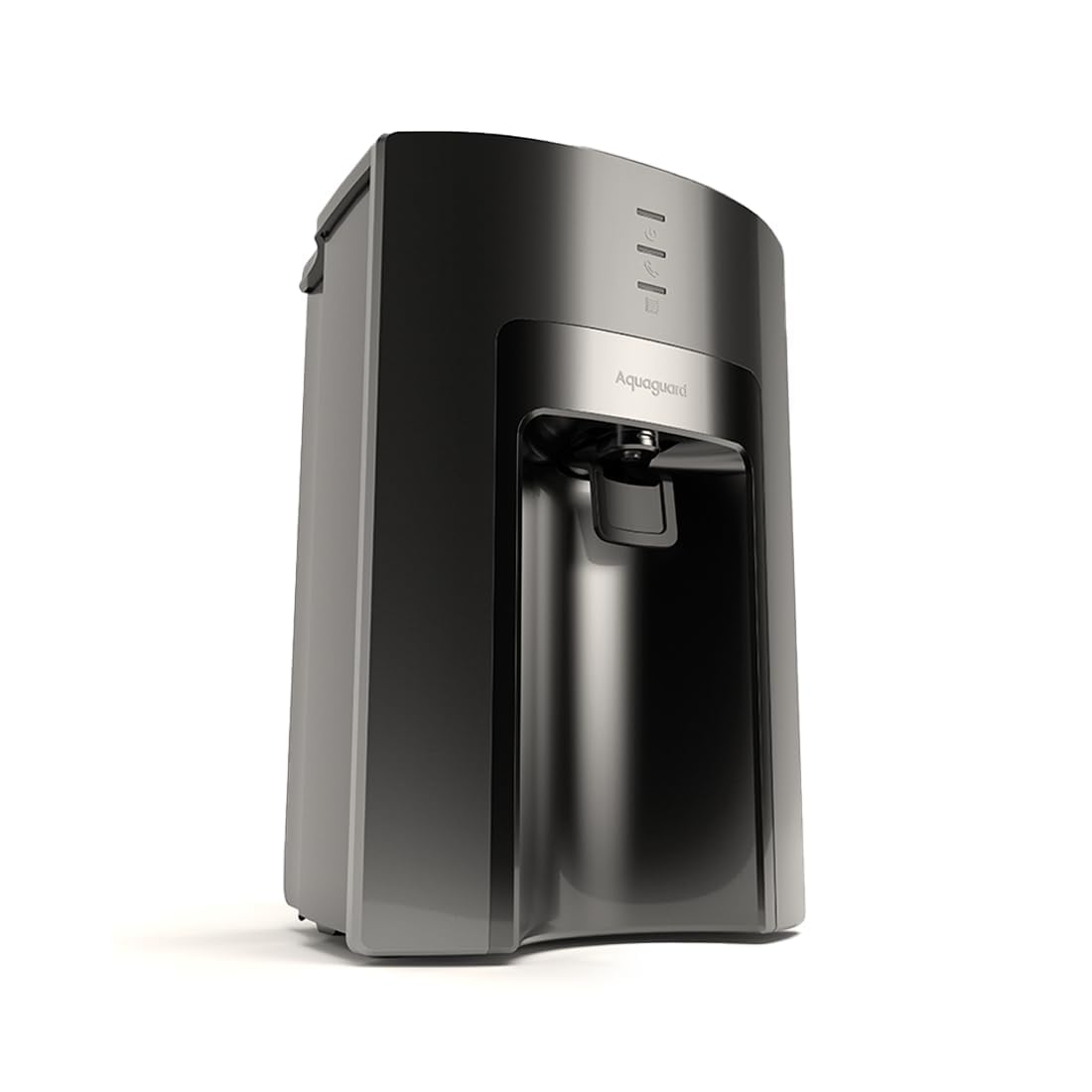
Aquaguard Delight NXT Aquasaver 9-Stage Water Purifier

Pureit Eco Water Saver RO Purifier (Black) with RO+UV+MF Filtration

KENT Smart Plus UV Water Purifier

Livpure Allura Prime Water Purifier RO+UV+UF+Copper+Alkaline

Aquaguard Enrich Ritz Pro RO+UV+Copper+Alkaline Water Purifier
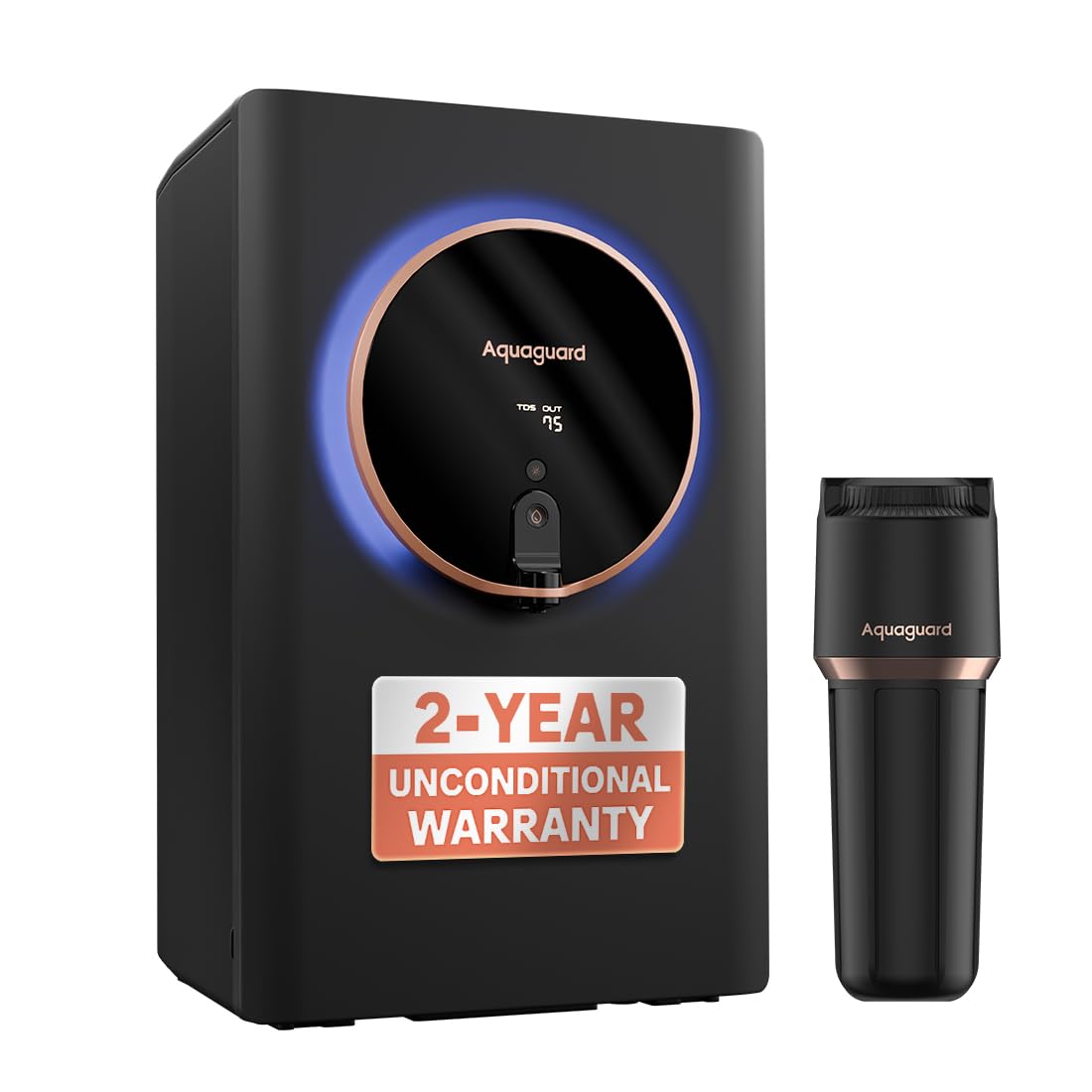
Aquaguard Aspire Glow RO+UV+Copper+Alkaline Water Purifier

KENT Elegant-B RO Water Purifier

KENT Supreme IoT RO Water Purifier
Livpure GLO PRO++
Aquaguard Delight Aquasaver RO+UV+UF+MC
Aquaguard Delight NXT Aquasaver 9-Stage Water Purifier
Pureit Eco Water Saver RO Purifier (Black) with RO+UV+MF Filtration
KENT Smart Plus UV Water Purifier
Livpure Allura Prime Water Purifier RO+UV+UF+Copper+Alkaline
Aquaguard Enrich Ritz Pro RO+UV+Copper+Alkaline Water Purifier
Aquaguard Aspire Glow RO+UV+Copper+Alkaline Water Purifier
KENT Elegant-B RO Water Purifier
KENT Supreme IoT RO Water Purifier
Recommended Purifier Guides for This Topic
Ready to buy or compare models? Explore our lab-tested recommendations tailored to your home's water.
Best LG RO Water Purifiers with Stainless Steel Tanks
Discover the top LG water purifiers featuring dual protection stainless steel tanks and True Filtration.
Havells vs LG Water Purifiers: Which Premium Brand is Best?
The ultimate showdown between Havells and LG. Compare top models, features, and stainless steel tanks.
Kent Grand Plus vs LG Puricare: Which Top Model to Buy?
Kent Grand Plus vs LG Puricare comparison. We look at purification technology, build quality, and AMC.
Ready to secure your home's water?
Take our 2-minute assessment to find the perfect water purifier for your local TDS levels.
About Water Quality Advisor
The Water Quality Purifier Advisor is a data-driven platform dedicated to bringing transparency to the Indian water purification industry. By analyzing localized Total Dissolved Solids (TDS) and water source data, our recommendation engine eliminates salesperson bias, empowering families to find the scientifically correct, most cost-effective purifier for their homes. Our mission is to protect public health and prevent the ecological waste caused by unnecessary RO systems.
Ready for Expert Advice?
Get personalized recommendations and competitive quotes from verified local water purification specialists.
Your data is secure and never shared.
Similar articles
PureHome Spotlight: Eliminating the Guesswork from Water Purification with AI Diagnostics
An investigative editorial review of how the Water Quality Advisor uses AI lab report OCR and geochemical mapping to defeat retail showroom deception and save up to ₹24,000 in AMC fees.
Is UV Purified Water Safe for Babies? Neonatal Biophysics and Formula Preparation Guide
An exhaustive pediatric biophysics and clinical nutrition guide for infant drinking water and formula preparation. Demystify UV vs RO safety and prevent methemoglobinemia.
Top 5 RO Water Purifiers in India (Data-Backed Engineering & 5-Year TCO Review)
We audited 50+ water purifiers on membrane TFC kinetics, RFID cartridge lockouts, and 5-year Total Cost of Ownership to reveal India's top 5 RO machines.
Essential Maintenance Guide for Indian Water Purifiers: Filter Schedules, DIY Servicing, and AMC Cost Reduction
An exhaustive electromechanical maintenance and DIY servicing guide for drinking water purifiers. Learn filter schedules, tank sanitization, and how to bypass AMC traps.
Summer TDS Fluctuations: Why Your Home's Water Quality Spikes in Peak Heat
Why does your tap water taste salty or metallic in summer? Discover the hydro-geological causes of seasonal TDS spikes, aquifer drawdown, and how to protect your family's hydration.
Are IoT Smart Water Purifiers Worth the Hype? A 2026 Buying Guide
Discover if IoT smart water purifiers are worth the investment in 2026. We break down the real ROI, Wi-Fi features, and smart TDS tracking to help you decide.
Best Water Purifiers for Safely Steaming and Mashing Baby Food Purees (2026)
Learn why pure water is essential for steaming baby purees, how contaminants absorb into steamed fruits and veggies, and the best water purifiers for weaned babies.
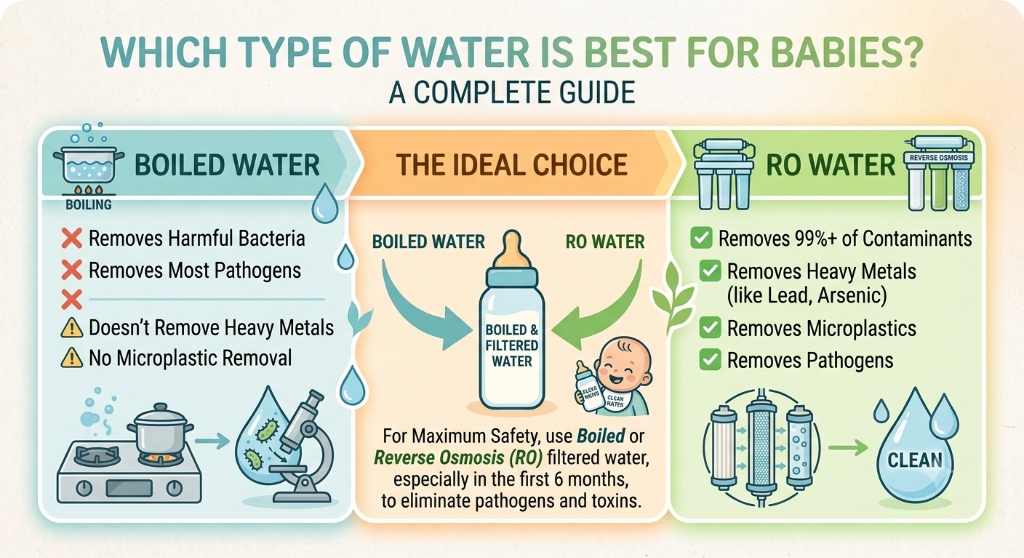
Boiled Water vs. RO Water: Which Type of Water is Best for Babies?
Is boiling water enough to make it safe for your baby, or do you need an RO purifier? We compare boiled tap water vs RO water to uncover the hidden dangers of heavy metals.

Busting Common Myths About RO Purified Water: Clinical Biophysics vs. Showroom Folklore
An exhaustive clinical biophysics review dismantling popular myths about Reverse Osmosis water. Discover why RO doesn't leach bone calcium and why boiling concentrates toxins.
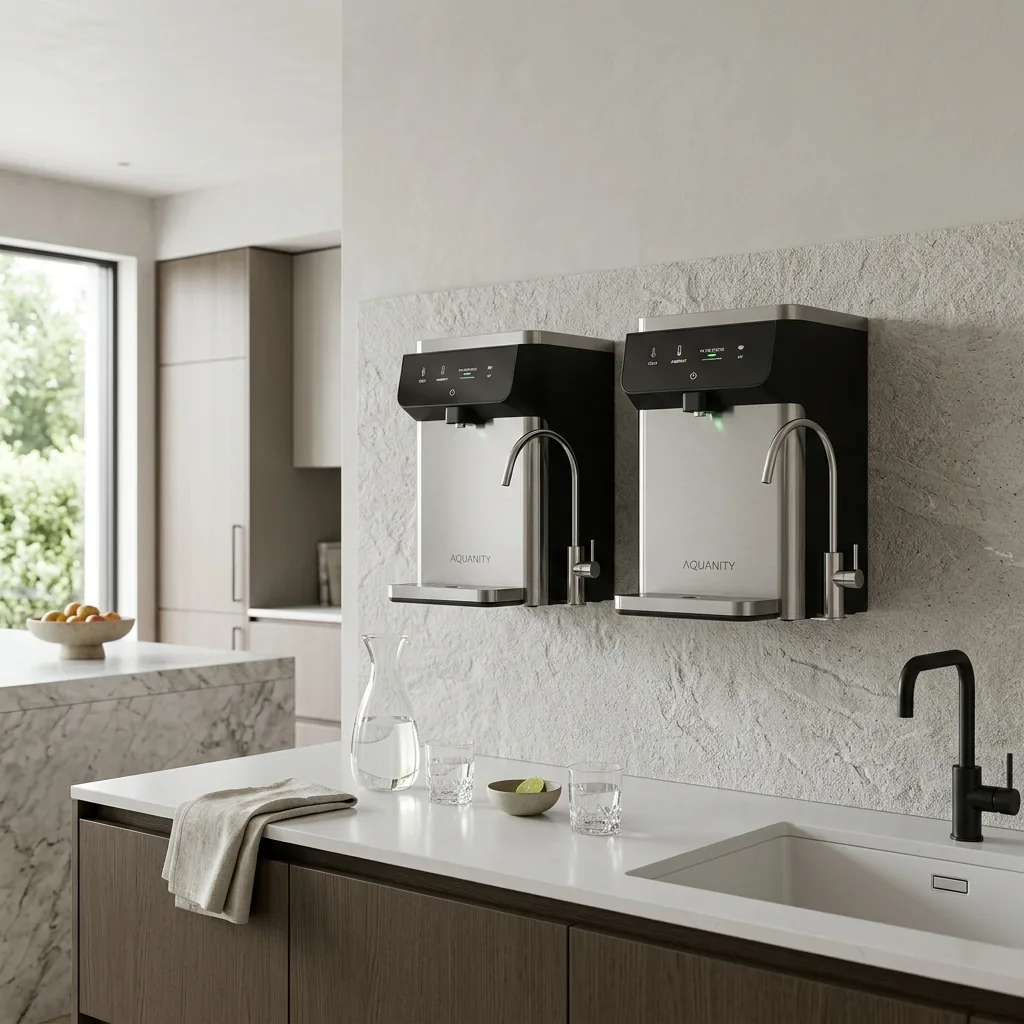
Aquaguard vs Kent Service: True AMC Costs & Repair Audit (2026)
Kent vs Aquaguard service compared: real 5-year AMC costs, technician response times, and RFID filter lockouts. Find out which brand is cheaper to maintain in 2026.
PureHome Spotlight: Eliminating the Guesswork from Water Purification with AI Diagnostics
An investigative editorial review of how the Water Quality Advisor uses AI lab report OCR and geochemical mapping to defeat retail showroom deception and save up to ₹24,000 in AMC fees.
Is UV Purified Water Safe for Babies? Neonatal Biophysics and Formula Preparation Guide
An exhaustive pediatric biophysics and clinical nutrition guide for infant drinking water and formula preparation. Demystify UV vs RO safety and prevent methemoglobinemia.
Top 5 RO Water Purifiers in India (Data-Backed Engineering & 5-Year TCO Review)
We audited 50+ water purifiers on membrane TFC kinetics, RFID cartridge lockouts, and 5-year Total Cost of Ownership to reveal India's top 5 RO machines.
Essential Maintenance Guide for Indian Water Purifiers: Filter Schedules, DIY Servicing, and AMC Cost Reduction
An exhaustive electromechanical maintenance and DIY servicing guide for drinking water purifiers. Learn filter schedules, tank sanitization, and how to bypass AMC traps.
Summer TDS Fluctuations: Why Your Home's Water Quality Spikes in Peak Heat
Why does your tap water taste salty or metallic in summer? Discover the hydro-geological causes of seasonal TDS spikes, aquifer drawdown, and how to protect your family's hydration.
Are IoT Smart Water Purifiers Worth the Hype? A 2026 Buying Guide
Discover if IoT smart water purifiers are worth the investment in 2026. We break down the real ROI, Wi-Fi features, and smart TDS tracking to help you decide.
Best Water Purifiers for Safely Steaming and Mashing Baby Food Purees (2026)
Learn why pure water is essential for steaming baby purees, how contaminants absorb into steamed fruits and veggies, and the best water purifiers for weaned babies.
Boiled Water vs. RO Water: Which Type of Water is Best for Babies?
Is boiling water enough to make it safe for your baby, or do you need an RO purifier? We compare boiled tap water vs RO water to uncover the hidden dangers of heavy metals.
Busting Common Myths About RO Purified Water: Clinical Biophysics vs. Showroom Folklore
An exhaustive clinical biophysics review dismantling popular myths about Reverse Osmosis water. Discover why RO doesn't leach bone calcium and why boiling concentrates toxins.
Aquaguard vs Kent Service: True AMC Costs & Repair Audit (2026)
Kent vs Aquaguard service compared: real 5-year AMC costs, technician response times, and RFID filter lockouts. Find out which brand is cheaper to maintain in 2026.
Next Steps: Free Water Tools & Guides
Continue your research with our interactive calculators, AI assessment, and expert buying guides.
Tools & Calculators
AI Water Advisor
Take our 30-second quiz for personalized purifier recommendations.
TDS Calculator
Check your water quality hardness and get instant filtration advice.
5-Year TCO Calculator
Compare long-term costs of Buying vs Renting vs Water Jars.
Maintenance Estimator
Avoid AMC traps and calculate your exact 5-year filter replacement costs.
Smart Purifier Catalog
Browse our full catalog of water purifiers with advanced filtering.
Top Blog Posts & Guides
Top 10 Purifiers in India
Lab-tested rankings of 2026's best purifiers with 5-year AMC costs.
Best RO for Borewell
High-TDS purification systems tailored for hard borewell water.
Best for Municipal Water
Low-maintenance UV/UF purifiers for municipal corporation supply.
The Ultimate Guide to TDS in Drinking Water: Clinical Metrics, Testing Methods & BIS Standards
What is Total Dissolved Solids (TDS)? Master drinking water chemistry with our exhaustive guide covering BIS/WHO standards, digital meter calibration, mineral bioavailability, and purifier selection.
Boiled Water vs. RO Water: Which Type of Water is Best for Babies?
Is boiling water enough to make it safe for your baby, or do you need an RO purifier? We compare boiled tap water vs RO water to uncover the hidden dangers of heavy metals.
Comments & Discussion
0 Comments