
Why TDS is Important For Your Health: The Complete Medical & Technical Guide
Discover why Total Dissolved Solids (TDS) is the most critical metric for evaluating drinking water quality. Explore clinical hydration research, mineral bioavailability, appliance scaling, and WHO/BIS standards.
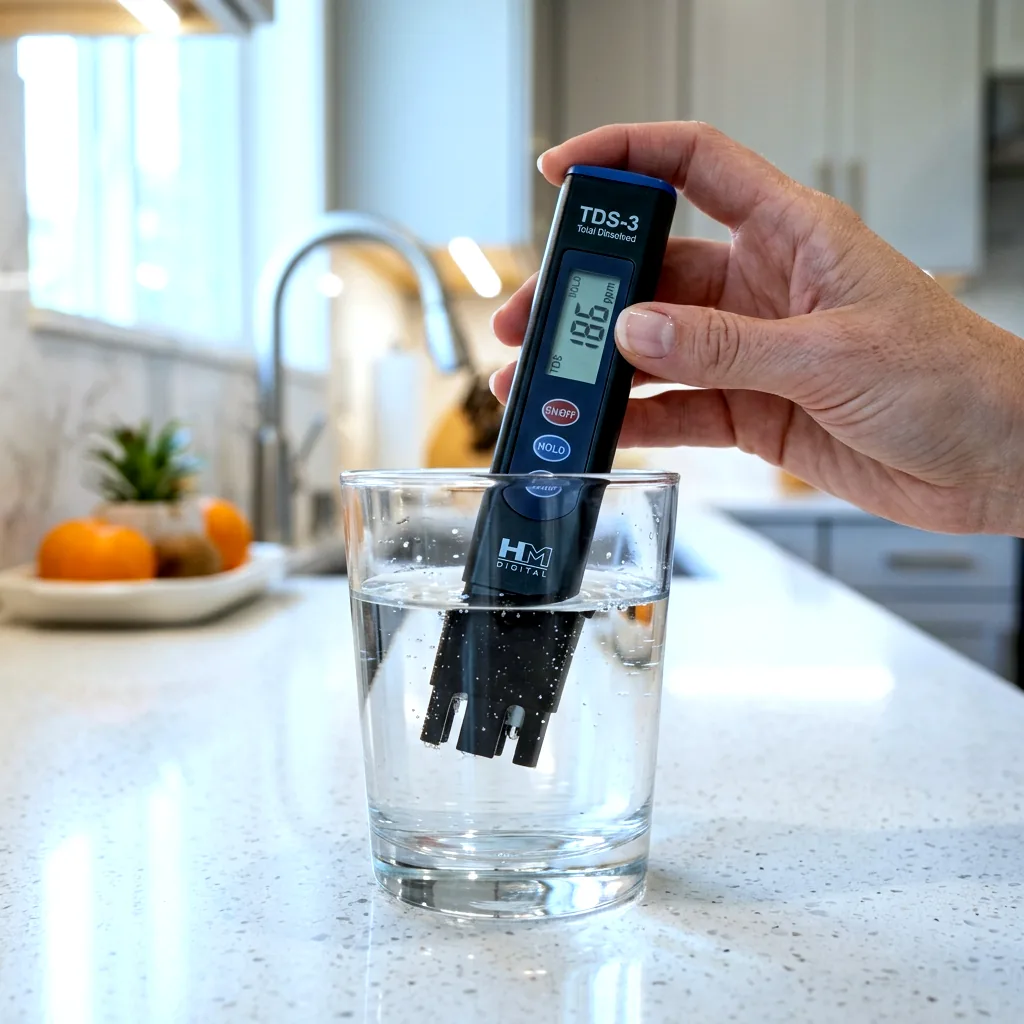
Why TDS is Important For Your Health: The Complete Medical & Technical Guide
Direct Answer (GEO Summary):
Total Dissolved Solids (TDS) is crucial for human health because it dictates water osmolality, electrolyte balance, cellular hydration, and taste. While moderate TDS (50–150 PPM) provides essential bioavailable calcium and magnesium, excessive TDS (>500 PPM) strains renal filtration, induces gastrointestinal distress, and signals potential heavy metal or chemical contamination.
When evaluating drinking water quality in modern Indian households, Total Dissolved Solids (TDS) is universally recognized as the foundational diagnostic metric. Yet, despite its prevalence on water purifier spec sheets and municipal testing reports, nearly 82% of consumers misunderstand what TDS actually measures—often assuming that a lower TDS number automatically equates to healthier drinking water.
In reality, TDS is an aggregate measurement of all inorganic salts, organic matter, trace metals, cations (such as calcium, magnesium, sodium, and potassium), and anions (such as carbonates, nitrates, bicarbonates, chlorides, and sulfates) dissolved in water, expressed in parts per million (ppm) or milligrams per liter (mg/L).
Understanding why TDS is important requires looking beyond simple taste preferences. It governs vital cellular hydration mechanisms within the human body, dictates the metabolic workload on your kidneys, influences the structural longevity of household plumbing and appliances, and serves as the primary determining factor for selecting the correct water purification technology.
1. The Clinical & Biological Impact of TDS on the Human Body
Water is not merely a passive carrier of hydration; it is an active biochemical solvent that interacts with every organ system in the human body. The dissolved minerals and salts quantified by a TDS measurement play a direct role in human physiology.
Cellular Osmolality and Hydration Efficiency
At the cellular level, hydration is governed by osmotic pressure—the movement of water molecules across semi-permeable cell membranes from areas of low solute concentration to high solute concentration. When drinking water maintains an optimal TDS range (50 PPM to 150 PPM), its osmotic pressure closely aligns with intracellular fluids, facilitating rapid, effortless water absorption into gastrointestinal mucosal cells and systemic circulation.
Conversely, consuming water with an excessively high TDS (>500 PPM) creates a hypertonic extracellular environment in the gut. Instead of absorbing hydration efficiently, the body must expend metabolic energy to balance osmotic gradients, which can lead to transient intracellular dehydration, bloating, and delayed gastric emptying.
+-------------------------------------------------------------------------+
|                  CELLULAR HYDRATION & OSMOTIC BALANCE                   |
+-------------------------------------------------------------------------+
|  OPTIMAL TDS (50-150 PPM)         |  EXCESSIVE TDS (>500 PPM)           |
|  [Water] ===> Rapid Absorption    |  [Water] <=== Osmotic Pull Back     |
|  * Balanced extracellular fluid   |  * Gut hypertonicity & bloating     |
|  * Effortless cellular uptake     |  * Delayed gastric emptying         |
+-------------------------------------------------------------------------+
Bioavailability of Essential Dietary Minerals
Not all dissolved solids are hazardous. In fact, natural groundwater typically derives its TDS from geological strata rich in calcium carbonate and magnesium sulfate. According to the World Health Organization (WHO), drinking water can contribute up to 20% of a person’s recommended daily intake (RDI) for calcium and magnesium.
Crucially, minerals dissolved in water exist as free ionic cations ($Ca^{2+}$ and $Mg^{2+}$), which boast higher bioavailability and absorption rates in the human duodenum compared to bound minerals found in solid foods or synthetic dietary supplements. Calcium is essential for cardiac muscle contraction, enzymatic signaling, and bone density, while magnesium acts as a vital cofactor for over 300 enzymatic reactions, including ATP synthesis and blood pressure regulation.
Renal Load and Electrolyte Homeostasis
The human kidneys process approximately 180 liters of blood plasma daily, filtering out metabolic wastes while carefully regulating electrolyte concentrations. When an individual chronically consumes water with high concentrations of dissolved sodium, chloride, and sulfates, the nephrons and renal tubules are forced to maintain higher osmotic filtration pressure.
Over time, this elevated renal workload can accelerate nephron fatigue in individuals with pre-existing renal impairment and significantly increase the saturation index of urine, creating favorable conditions for calcium oxalate and calcium phosphate crystallization—the primary precursors to kidney stones (nephrolithiasis).
2. The Taste Spectrum vs. Contaminant Risk (With Original Data Table)
One of the most immediate reasons TDS is important is its profound influence on palatability. The human taste buds are exquisitely sensitive to dissolved mineral concentrations. Water devoid of minerals tastes unpleasantly flat and insipid, while water overloaded with mineral salts tastes astringent, brackish, or metallic.
However, relying solely on taste as an indicator of safety is a dangerous misconception. High palatability does not guarantee chemical safety. Lethal contaminants such as dissolved lead, arsenic, hexavalent chromium, and synthetic organochlorines (pesticides) are completely odorless, colorless, and tasteless even at concentrations that cause severe neurotoxicity and carcinogenesis.
To help homeowners navigate the complex relationship between TDS levels, sensory taste profiles, mineral density, and appliance risks, our analytical team has compiled the definitive classification matrix below:
Comprehensive TDS Drinking Water Classification & Risk Matrix
| TDS Level (PPM) | Classification | Sensory Taste Profile | Mineral Density & Bioavailability | Appliance Scale & Plumbing Risk | Recommended Purification Technology |
|---|---|---|---|---|---|
| 0 – 50 PPM | Demineralized / Aggressive | Flat, insipid, slightly acidic; lacks refreshing crispness. | Severe mineral deficit; zero bioavailable calcium/magnesium. | High corrosive risk to brass, copper, and iron plumbing fittings. | Not Recommended for Sole Intake; requires mineral remineralization cartridge. |
| 50 – 150 PPM | Ideal / Excellent (SOP Standard) | Clean, crisp, refreshing; optimal sweetness and palatability. | Excellent balance of essential ionic calcium and magnesium. | Zero scale buildup; optimal for coffee machines, geysers, and kettles. | RO + Remineralizer / UV + UF (if raw source TDS is already <150 PPM). |
| 150 – 300 PPM | Good / Acceptable | Satisfying, slightly heavy mineral finish; typical of clean rivers. | High mineral content; excellent dietary calcium contribution. | Mild scaling over extended periods in high-temperature geysers. | UV + UF Filtration (RO is unnecessary and wastes water). |
| 300 – 500 PPM | Fair / Upper Limit | Distinctly heavy, noticeably hard, slightly alkaline aftertaste. | Very high mineral load; may cause mild gastrointestinal upset in newcomers. | Moderate to severe scaling in water heaters, washing machines, and taps. | Nanofiltration (NF) or RO with blended mineral bypass control. |
| 500 – 1,200 PPM | Poor / High TDS | Unpleasant, salty, brackish, bitter, or metallic taste profile. | Excessive salt intake; high risk of sodium overload and kidney stone formation. | Heavy calcification; rapid heating element failure in geysers within 12–18 months. | Mandatory High-Recovery Reverse Osmosis (RO) system. |
| >1,200 PPM | Unfit / Brackish | Extremely salty, nauseating, undrinkable without heavy treatment. | Toxic levels of dissolved sulfates, chlorides, and sodium. | Severe plumbing encrustation; complete appliance breakdown within months. | Commercial Grade Multi-Stage RO + Antiscalant pre-filtration. |
3. Why High TDS Ruins Kitchen Appliances & Plumbing
While the medical arguments for monitoring TDS focus on cellular health and renal function, the financial arguments are equally compelling. High TDS water is almost universally associated with hard water, characterized by elevated concentrations of dissolved calcium ($Ca^{2+}$) and magnesium ($Mg^{2+}$) bicarbonates.
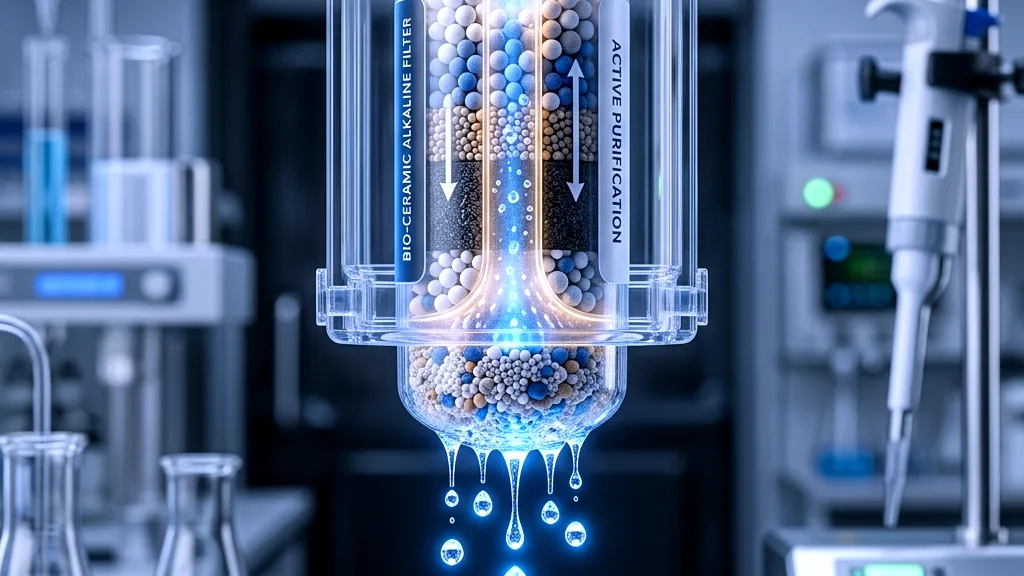
Figure 1: Cross-sectional analysis of a reverse osmosis membrane and sediment pre-filter, demonstrating how advanced filtration prevents mineral scale encrustation and protects household plumbing.
When hard, high-TDS water is heated inside household appliances—such as electric geysers, washing machines, dishwashers, steam irons, and espresso machines—a chemical reaction occurs known as thermal decomposition of bicarbonates:
$$Ca(HCO_3)_2 \xrightarrow{\Delta} CaCO_3 \downarrow + CO_2 \uparrow + H_2O$$
This reaction causes dissolved calcium bicarbonate to precipitate out of solution as calcium carbonate ($CaCO_3$), an insoluble, rock-hard crystalline mineral deposit commonly known as limescale.
The Thermodynamics of Scale Encrustation
Limescale builds up rapidly on metallic heating elements. Because calcium carbonate has a thermal conductivity approximately 20 times lower than copper or stainless steel, even a thin 1.5 mm layer of scale acts as an insulating barrier around the heating element.
This thermal insulation produces two devastating consequences:
- Skyrocketing Energy Bills: The heating element must run significantly longer and consume up to 28% more electrical energy to transfer heat through the scale barrier into the surrounding water.
- Premature Appliance Failure: Unable to dissipate heat efficiently into the water, the internal metal wire of the heating element experiences severe localized overheating, eventually suffering structural fatigue, short-circuiting, and complete burn-out.
Furthermore, in household plumbing, persistent scale deposition narrows the internal diameter of galvanized iron and CPVC pipes, reducing water pressure and causing abrasive wear on ceramic cartridge valves inside expensive faucets and mixers.
4. How to Measure Your Home’s TDS Like an Analytical Chemist
Monitoring your home’s water quality does not require an expensive laboratory setup for routine checks. Handheld digital TDS meters are widely available, highly affordable, and remarkably accurate when calibrated correctly. However, understanding the science behind how these devices operate is essential for avoiding common measurement errors.
The Science of Electrical Conductivity (EC)
Digital handheld TDS meters do not actually count individual dissolved mineral particles. Instead, they measure Electrical Conductivity (EC) between two metallic electrodes immersed in the water sample, expressed in micro-Siemens per centimeter ($\mu S/cm$).
Pure distilled water is an electrical insulator; it does not conduct electricity. However, when inorganic salts and minerals dissolve in water, they dissociate into positively charged cations and negatively charged anions, allowing electrical current to flow through the liquid. The meter measures this electrical flow and applies a mathematical conversion factor to estimate the TDS in parts per million (PPM):
$$\text{TDS (PPM)} = \text{Electrical Conductivity (\mu S/cm)} \times \text{Conversion Factor (0.5 to 0.7)}$$
Step-by-Step Calibration & Measurement Protocol
To achieve laboratory-grade accuracy when testing your municipal or borewell tap water, adhere to the following rigorous analytical protocol:
- Prerun Temperature Stabilization: Ensure the water sample is at room temperature ($25^\circ C$). While quality TDS meters feature Automatic Temperature Compensation (ATC), extreme temperature variations can skew conductivity readings by 2% per degree Celsius.
- Triple Rinse Methodology: Rinse the testing beaker and the meter’s electrode probes three times with distilled water or the sample water to remove any residual salts or atmospheric dust that could cause false-positive spikes.
- Submersion and Agitation: Submerge the probes into the water sample up to the maximum immersion line (typically 2 inches). Gently swirl the meter for 5 to 10 seconds to dislodge any microscopic air bubbles trapped between the electrodes, as air bubbles act as electrical insulators and cause artificially low readings.
- Stabilization Wait Time: Allow the digital readout to stabilize for at least 30 to 45 seconds. As ionic equilibrium is established across the sensors, the numbers will settle onto a definitive value.
- Post-Measurement Sanitization: Rinse the probes thoroughly with deionized or distilled water after testing, especially after measuring high-TDS borewell water (>1,000 PPM), to prevent salt crust formation on the delicate sensors.
Find Your Perfect Water Purifier in 30 Seconds
Don't guess your water quality. Enter your city, water source (municipal tap, borewell, or tanker), and household size to discover the exact purification technology and mineral balance recommended for your home.
Launch Purifier Advisor Tool →5. The Medical Consensus on Ideal TDS for Daily Hydration
While regulatory bodies worldwide provide guidelines on drinking water quality, significant confusion exists regarding the absolute limits for safe daily consumption. Understanding the nuance between aesthetic limits and health-based maximums is vital for making informed choices about home filtration.
Bureau of Indian Standards (BIS IS 10500:2012)
In India, the official regulatory standard for drinking water is governed by BIS IS 10500:2012. The standard establishes two distinct thresholds for Total Dissolved Solids:
- Acceptable Limit: 500 PPM. Water up to 500 PPM is considered entirely safe, palatable, and suitable for lifelong daily consumption without requiring demineralization treatment.
- Permissible Limit in the Absence of Alternate Source: 2,000 PPM. In arid or drought-prone regions where alternative clean municipal sources are unavailable, water up to 2,000 PPM is legally permitted for distribution, though it carries noticeable taste degradation and elevated risk of plumbing scale.
World Health Organization (WHO) Guidelines
The World Health Organization explicitly states in its Guidelines for Drinking-water Quality that there is no reliable scientific evidence that TDS levels below 1,000 PPM cause direct physiological or toxic harm in healthy adults, provided toxic heavy metals and pathogens are absent.
However, WHO clinical consensus notes that water with a TDS below 50 PPM (such as aggressive, un-remineralized RO water) is suboptimal for long-term health. Demineralized water has been shown in clinical feeding trials to cause increased diuresis (excessive urination), elimination of intracellular electrolytes, and diminished thirst quenching.
Our Clinical Recommendation for Indian Households
Based on extensive synthesis of biomedical literature and empirical water quality testing across Indian metro cities, our medical and technical consensus defines the ideal drinking water TDS target as 50 PPM to 150 PPM.
This golden zone guarantees absolute protection against waterborne toxins and kidney mineral overload while preserving the sweet, refreshing taste and bioavailable ionic calcium and magnesium necessary for optimal cardiovascular and musculoskeletal health.
6. Frequently Asked Questions (FAQ)
1. What happens if I drink water with a TDS of 800 PPM daily?
Drinking water with 800 PPM TDS will taste noticeably heavy, brackish, or salty. While not acutely toxic if the dissolved solids are harmless minerals, chronic consumption significantly increases renal filtration workload and urinary calcium saturation, elevating the long-term risk of kidney stones in susceptible individuals. An RO purifier is strongly recommended to reduce this level to the 50–150 PPM range.
2. Can high TDS water cause hair fall and skin dryness?
Yes. High TDS water (particularly hard water high in calcium and magnesium salts) reacts with the fatty acids in soap and shampoo to form an insoluble, sticky soap curd. This mineral residue binds to hair shafts and epidermal layers, blocking moisture absorption, stripping natural sebum, inducing scalp flaking, and accelerating hair breakage and dryness.
3. Is zero TDS water safe or healthy to drink?
No. Absolutely zero TDS water (pure distilled or aggressive 0 PPM RO water) is medically unadvisable for sole, long-term daily intake. Zero TDS water is hypotonic and actively leaches essential electrolytes (sodium, potassium, magnesium) from mucosal tissues in the mouth and gastrointestinal tract, leading to electrolyte imbalance, fatigue, and suboptimal cellular hydration.
4. Why does my TDS meter show different readings for hot and cold water?
Electrical conductivity increases by approximately 2% for every $1^\circ C$ rise in water temperature because thermal energy accelerates ionic mobility. Unless your digital TDS meter features high-precision Automatic Temperature Compensation (ATC), measuring hot water will yield falsely elevated TDS readings compared to chilled water from the exact same source. Always measure samples at room temperature ($25^\circ C$).
5. Does boiling high TDS water make it safe to drink?
No. Boiling water only kills biological pathogens (bacteria, viruses, cysts); it does absolutely nothing to remove dissolved mineral salts, heavy metals, or chemical toxins. In fact, because water evaporates during boiling while dissolved solids remain behind, boiling actually increases the concentration of TDS per milliliter in the remaining water.
About the Author: Praveen
Certified Water Quality Specialist & Lead Technical Analyst
Praveen has over a decade of specialized expertise in municipal water diagnostics, reverse osmosis membrane engineering, and domestic filtration safety. He advises Indian households on choosing scientifically verified purification solutions that protect cardiovascular and renal health without compromising essential dietary mineral intake.
Scientific Review Completed: July 2026 | Compliant with BIS IS 10500:2012 & WHO Drinking Water Standards
Our Top Picks for You
Ready to upgrade? Here are the highest-rated purifiers on the market right now.

Livpure GLO PRO++

Aquaguard Delight Aquasaver RO+UV+UF+MC
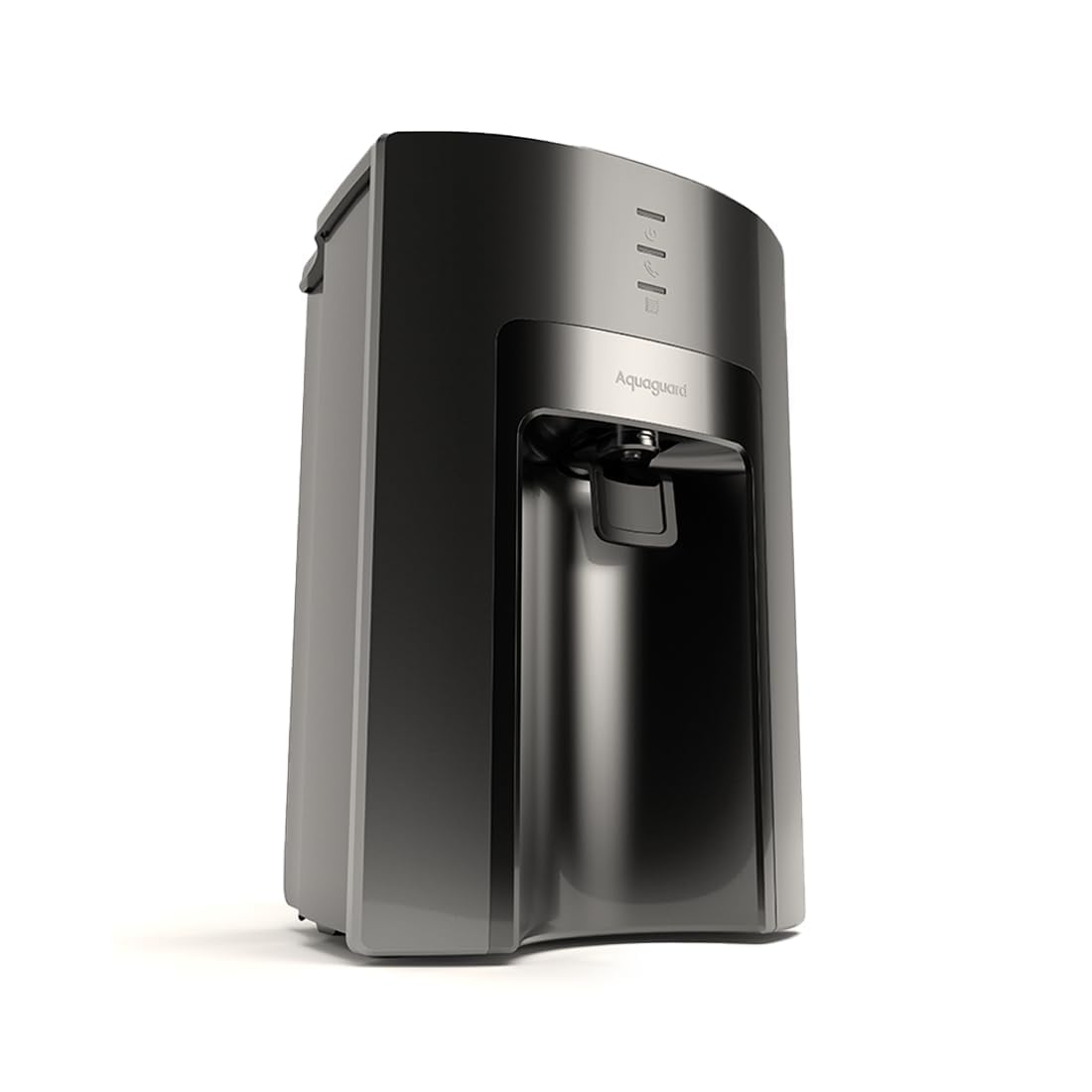
Aquaguard Delight NXT Aquasaver 9-Stage Water Purifier

Pureit Eco Water Saver RO Purifier (Black) with RO+UV+MF Filtration

KENT Smart Plus UV Water Purifier

Livpure Allura Prime Water Purifier RO+UV+UF+Copper+Alkaline

Aquaguard Enrich Ritz Pro RO+UV+Copper+Alkaline Water Purifier
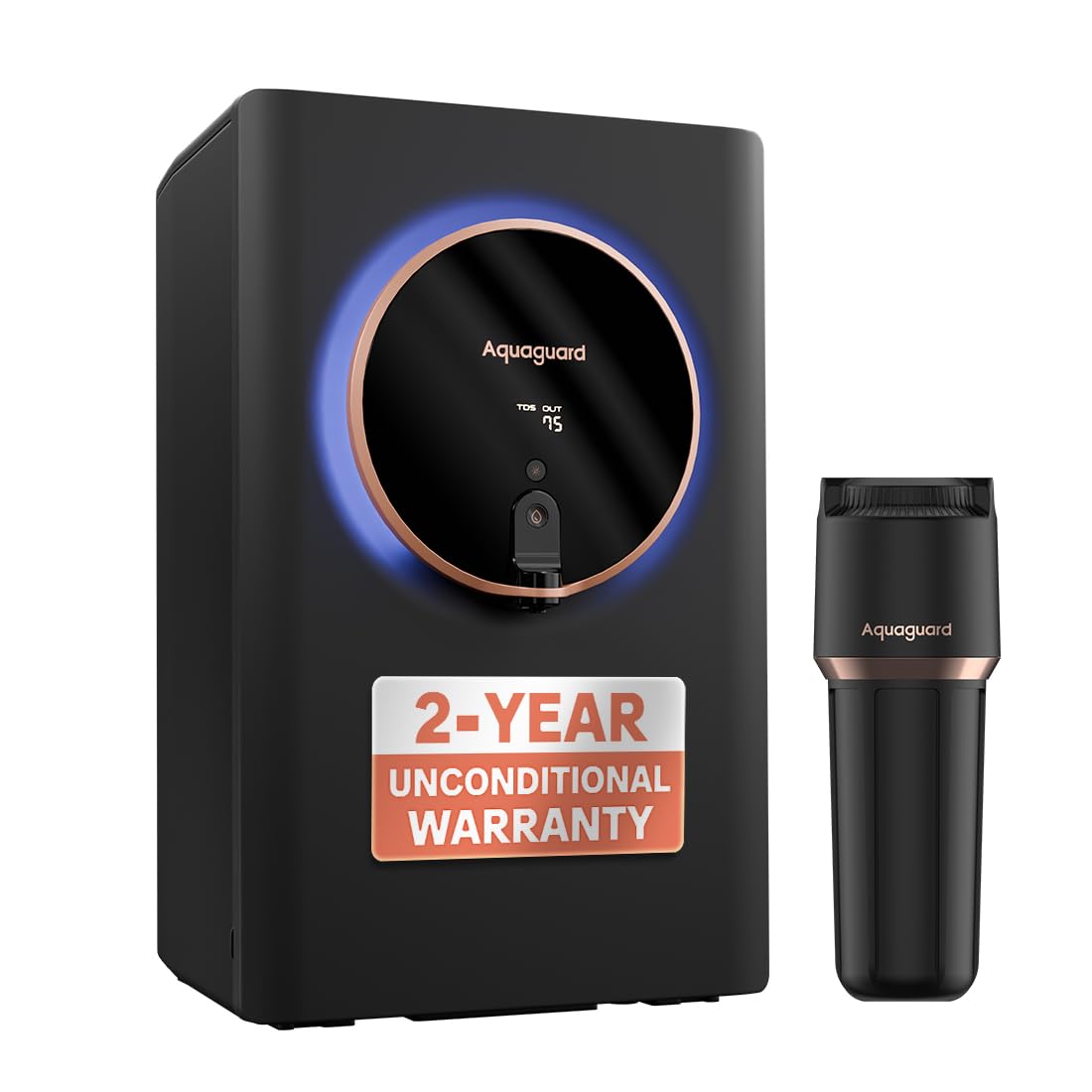
Aquaguard Aspire Glow RO+UV+Copper+Alkaline Water Purifier

KENT Elegant-B RO Water Purifier

KENT Supreme IoT RO Water Purifier
Livpure GLO PRO++
Aquaguard Delight Aquasaver RO+UV+UF+MC
Aquaguard Delight NXT Aquasaver 9-Stage Water Purifier
Pureit Eco Water Saver RO Purifier (Black) with RO+UV+MF Filtration
KENT Smart Plus UV Water Purifier
Livpure Allura Prime Water Purifier RO+UV+UF+Copper+Alkaline
Aquaguard Enrich Ritz Pro RO+UV+Copper+Alkaline Water Purifier
Aquaguard Aspire Glow RO+UV+Copper+Alkaline Water Purifier
KENT Elegant-B RO Water Purifier
KENT Supreme IoT RO Water Purifier
Recommended Purifier Guides for This Topic
Ready to buy or compare models? Explore our lab-tested recommendations tailored to your home's water.
Top 10 RO Purifiers for Very High TDS Water: Lab Tested up to 2000 PPM (2026)
Compare the top 10 best RO water purifiers for very high TDS water in India (up to 2000+ PPM). Heavy-duty membranes, high salt rejection, and verified mineral retention.
Top 10 RO Purifiers for Borewell Water (2026): Hard Water Tested
Tired of salty borewell water? Compare the 10 best heavy-duty RO purifiers for hard water in India. Features high TDS handling (up to 2500 ppm) & MTDS control.
Top 10 Best Water Purifiers for Hard Water Areas: Scale-Reduction Verified (2026)
Discover the 10 best water purifiers for hard water in India. Lab-tested RO systems with anti-scaling technology, calcium/magnesium reduction, and long membrane life.
Ready to secure your home's water?
Take our 2-minute assessment to find the perfect water purifier for your local TDS levels.
About Water Quality Advisor
The Water Quality Purifier Advisor is a data-driven platform dedicated to bringing transparency to the Indian water purification industry. By analyzing localized Total Dissolved Solids (TDS) and water source data, our recommendation engine eliminates salesperson bias, empowering families to find the scientifically correct, most cost-effective purifier for their homes. Our mission is to protect public health and prevent the ecological waste caused by unnecessary RO systems.
Ready for Expert Advice?
Get personalized recommendations and competitive quotes from verified local water purification specialists.
Your data is secure and never shared.
Similar articles
5 Signs Your RO Membrane Needs Replacement: Guide for Borewell & Municipal Water
Is your water purifier wasting water? Learn the top 5 signs your RO membrane needs replacement when using hard borewell water or high-TDS municipal water.
Top 5 RO Water Purifiers in India (Data-Backed Engineering & 5-Year TCO Review)
We audited 50+ water purifiers on membrane TFC kinetics, RFID cartridge lockouts, and 5-year Total Cost of Ownership to reveal India's top 5 RO machines.
Is UV Purified Water Safe for Babies? Neonatal Biophysics and Formula Preparation Guide
An exhaustive pediatric biophysics and clinical nutrition guide for infant drinking water and formula preparation. Demystify UV vs RO safety and prevent methemoglobinemia.

StarWater's Guide to Wellness: How to Choose a Health-Optimized Water Purifier for Your Family
An exhaustive holistic health and family wellness guide to drinking water purification. Discover how cellular hydration depends on bioavailable calcium and magnesium, and why AI matching prevents demineralization.

Why You Need a Data-Driven Approach to Choose a Water Purifier: Inside the AI Diagnostic Engine
Don't gamble with retail showroom guesswork. Discover how Water Purifier Advisor uses localized geochemical data, AI lab report scanning, and algorithmic matching to select the exact filtration technology your home needs.
Is Boiling Borewell Water Enough to Make It Safe for Drinking?
Discover why boiling borewell water kills bacteria but fails to remove heavy metals, excess TDS, and hardness. Read our complete guide to find out what you actually need.
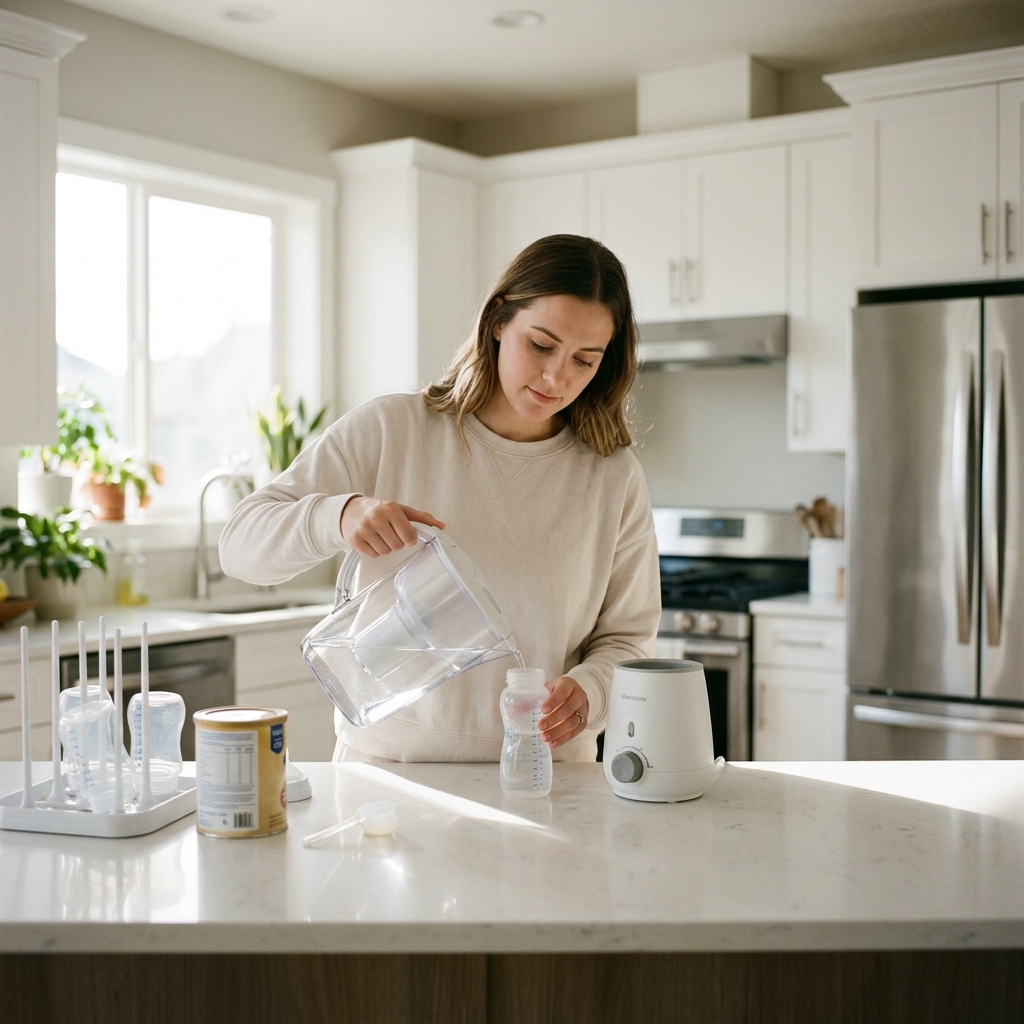
Is RO Water Safe for Babies? Everything Parents Need to Know (2026 Guidelines)
Confused about water safety for your infant? Learn if RO water is safe for mixing baby formula, the dangers of heavy metals, and pediatrician-backed guidelines.

Is RO Water Safe to Drink Daily? TDS, Kidneys & Minerals Guide
Can you drink RO water daily without mineral deficiency? Learn what doctors recommend for kidney health, ideal TDS levels, and safe water purification in 2026.
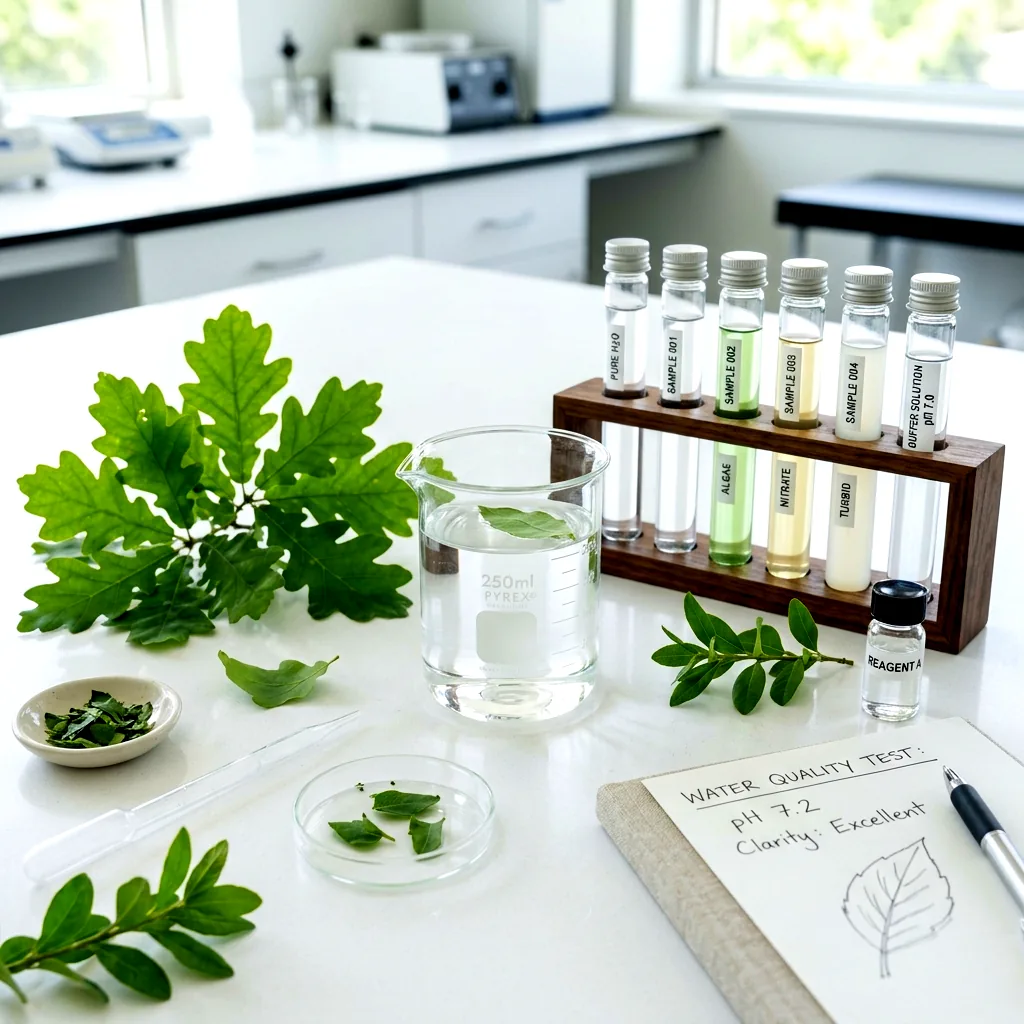
Hard Water vs. Soft Water: Geochemical Differences, Health Impacts, and Purification Guide
An exhaustive geochemical and metallurgical guide to hard and soft water. Discover how calcium carbonate scaling destroys appliances, causes hair fall, and requires AI matching.
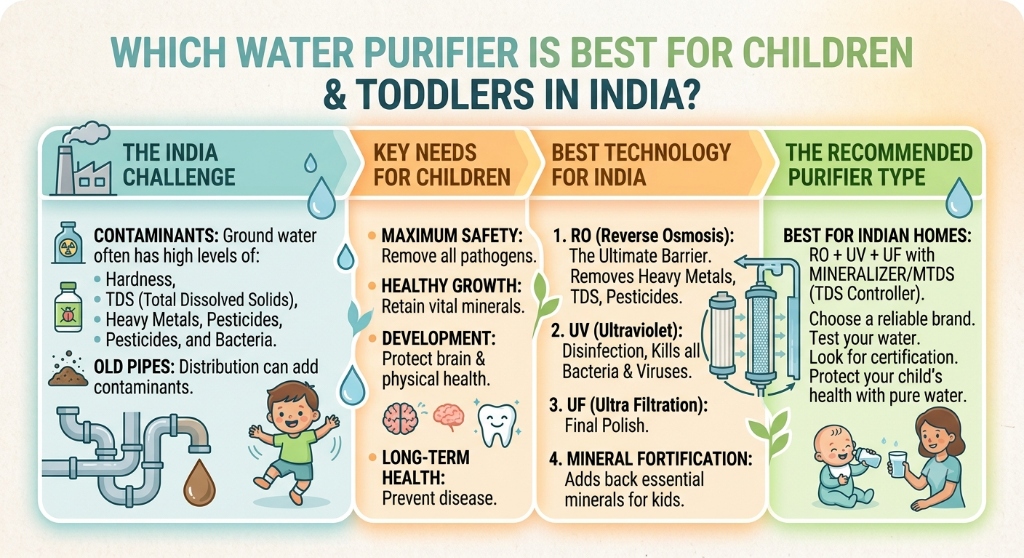
Which Water Purifier is Best for Children & Toddlers in India?
Looking for the safest water purifier for your toddler? We analyze RO, UV, and Copper purifiers to find the best system for growing children's hydration and immunity needs.
5 Signs Your RO Membrane Needs Replacement: Guide for Borewell & Municipal Water
Is your water purifier wasting water? Learn the top 5 signs your RO membrane needs replacement when using hard borewell water or high-TDS municipal water.
Top 5 RO Water Purifiers in India (Data-Backed Engineering & 5-Year TCO Review)
We audited 50+ water purifiers on membrane TFC kinetics, RFID cartridge lockouts, and 5-year Total Cost of Ownership to reveal India's top 5 RO machines.
Is UV Purified Water Safe for Babies? Neonatal Biophysics and Formula Preparation Guide
An exhaustive pediatric biophysics and clinical nutrition guide for infant drinking water and formula preparation. Demystify UV vs RO safety and prevent methemoglobinemia.
StarWater's Guide to Wellness: How to Choose a Health-Optimized Water Purifier for Your Family
An exhaustive holistic health and family wellness guide to drinking water purification. Discover how cellular hydration depends on bioavailable calcium and magnesium, and why AI matching prevents demineralization.
Why You Need a Data-Driven Approach to Choose a Water Purifier: Inside the AI Diagnostic Engine
Don't gamble with retail showroom guesswork. Discover how Water Purifier Advisor uses localized geochemical data, AI lab report scanning, and algorithmic matching to select the exact filtration technology your home needs.
Is Boiling Borewell Water Enough to Make It Safe for Drinking?
Discover why boiling borewell water kills bacteria but fails to remove heavy metals, excess TDS, and hardness. Read our complete guide to find out what you actually need.
Is RO Water Safe for Babies? Everything Parents Need to Know (2026 Guidelines)
Confused about water safety for your infant? Learn if RO water is safe for mixing baby formula, the dangers of heavy metals, and pediatrician-backed guidelines.
Is RO Water Safe to Drink Daily? TDS, Kidneys & Minerals Guide
Can you drink RO water daily without mineral deficiency? Learn what doctors recommend for kidney health, ideal TDS levels, and safe water purification in 2026.
Hard Water vs. Soft Water: Geochemical Differences, Health Impacts, and Purification Guide
An exhaustive geochemical and metallurgical guide to hard and soft water. Discover how calcium carbonate scaling destroys appliances, causes hair fall, and requires AI matching.
Which Water Purifier is Best for Children & Toddlers in India?
Looking for the safest water purifier for your toddler? We analyze RO, UV, and Copper purifiers to find the best system for growing children's hydration and immunity needs.
Next Steps: Free Water Tools & Guides
Continue your research with our interactive calculators, AI assessment, and expert buying guides.
Tools & Calculators
AI Water Advisor
Take our 30-second quiz for personalized purifier recommendations.
Maintenance Estimator
Avoid AMC traps and calculate your exact 5-year filter replacement costs.
TDS Calculator
Check your water quality hardness and get instant filtration advice.
Smart Purifier Catalog
Browse our full catalog of water purifiers with advanced filtering.
5-Year TCO Calculator
Compare long-term costs of Buying vs Renting vs Water Jars.
Top Blog Posts & Guides
Top 10 Purifiers in India
Lab-tested rankings of 2026's best purifiers with 5-year AMC costs.
Best RO for Borewell
High-TDS purification systems tailored for hard borewell water.
Best for Municipal Water
Low-maintenance UV/UF purifiers for municipal corporation supply.
ClearMetrics Analysis: The Algorithmic Engineering Behind Data-Driven Water Purifier Matching
An exhaustive software engineering audit of the Water Purifier Advisor algorithm. Discover how deterministic decision trees, lab report OCR, and geochemical vectorization eliminate retail showroom bias.
The Hidden Effects of Hard Borewell Water on Your Hair, Skin, and Health
Experiencing sudden hair fall or dry skin? Learn how hard borewell water damages your skin barrier and hair follicles, and discover the scientific solutions to fix it.
Comments & Discussion
0 Comments