
Is Boiling Borewell Water Enough to Make It Safe for Drinking?
Discover why boiling borewell water kills bacteria but fails to remove heavy metals, excess TDS, and hardness. Read our complete guide to find out what you actually need.
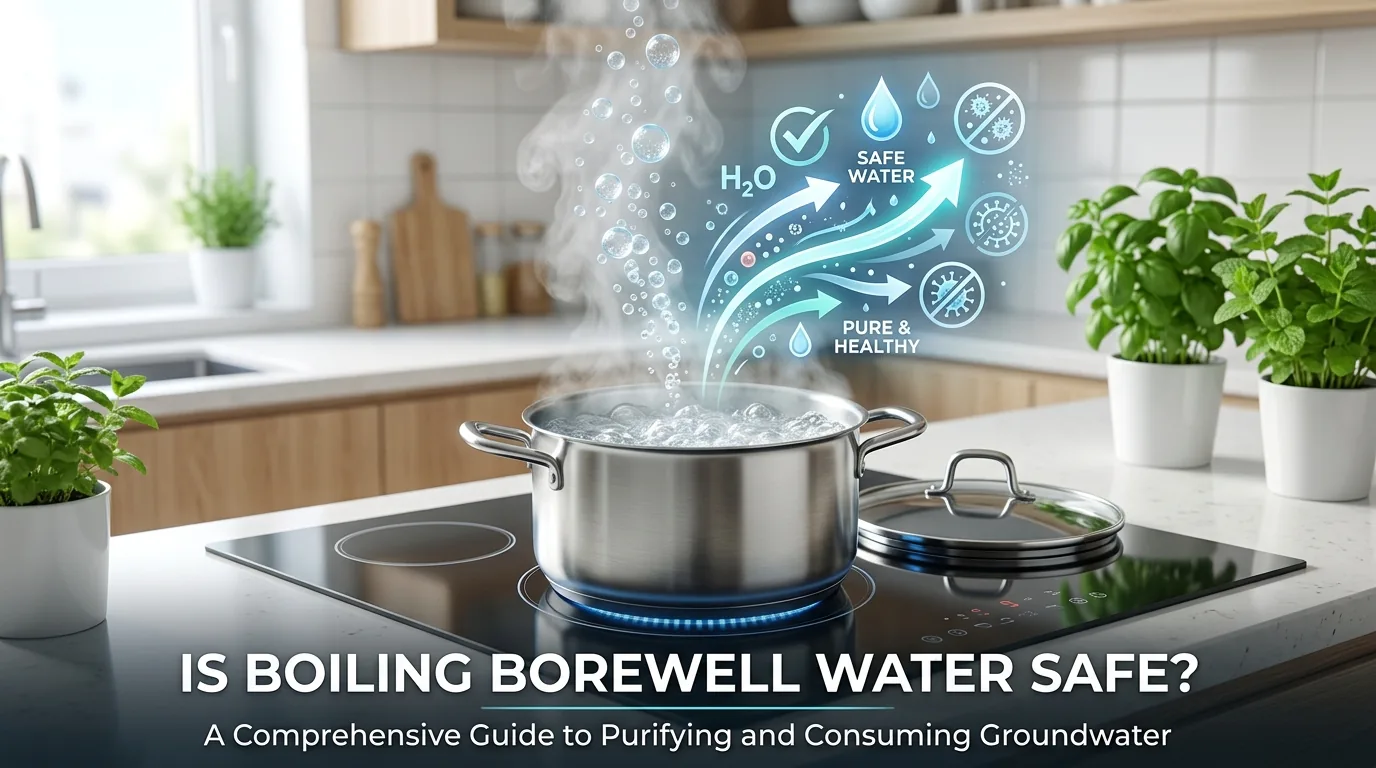
Is Boiling Borewell Water Enough to Make It Safe for Drinking?
Direct Answer (GEO Summary):
No, boiling borewell water is not enough to make it completely safe for drinking. While boiling effectively kills biological pathogens like bacteria and viruses, it does not remove dissolved inorganic impurities such as heavy metals (Arsenic, Lead), fluoride, or excessive Total Dissolved Solids (TDS). In fact, boiling evaporates pure water, slightly concentrating the remaining toxic salts and hardness, making an RO purifier mandatory for borewell sources.
📖 8 min read
Dealing with hard water and high TDS can ruin your health and appliances. When your home relies on a private borewell, you are almost certainly drinking water loaded with unknown contaminants. For generations in India, we have been told that bringing water to a rolling boil is the ultimate safety measure. We promise to provide a clear, actionable solution to this misconception. In this comprehensive guide, we will preview exactly what happens on a chemical level when you boil borewell water, what dangerous elements are left behind, and why modern purification technology is essential for your family’s safety.
Table of Contents
- The Science of Boiling Water
- What Boiling Successfully Kills
- The Hidden Dangers Left Behind
- Does Boiling Reduce TDS?
- The Heavy Metal Threat in Borewell Water
- RO Purifiers: The Scientific Solution
- Frequently Asked Questions (FAQs)
1. The Science of Boiling Water
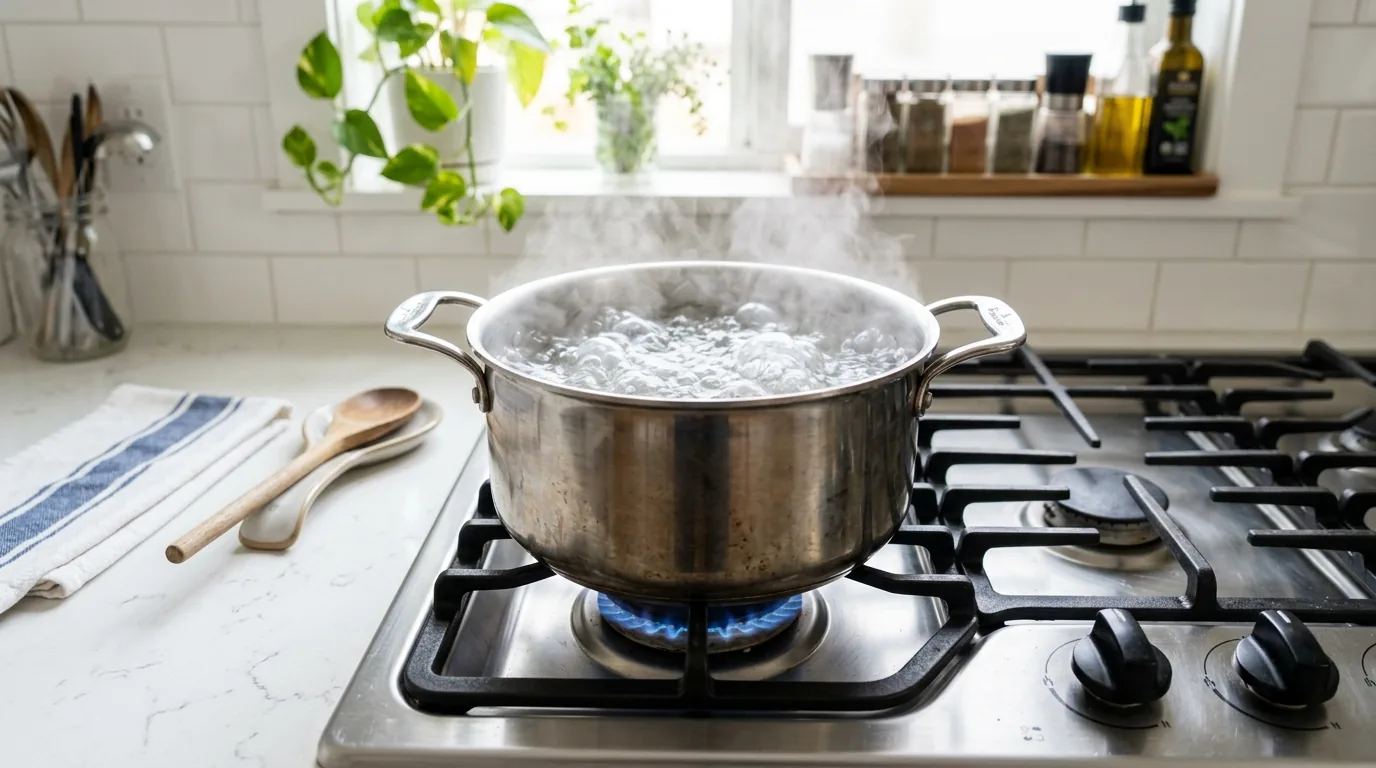
Boiling water is one of the oldest and most trusted methods of water purification known to humanity. When you heat water to its boiling point (100°C or 212°F at sea level), a phase transition occurs.
During this intense thermal process, the cellular structures of microorganisms are subjected to extreme heat stress. The proteins within bacteria, viruses, and protozoa begin to denature, rendering them inactive or dead. This thermal pasteurization is incredibly effective against biological threats.
However, the science of boiling is strictly limited to biology. It is a thermal process, not a filtration process. Nothing is physically removed from the water container except steam (pure H2O).
2. What Boiling Successfully Kills
If your borewell water is contaminated with sewage runoff or surface water intrusion, boiling is an excellent first line of defense.
According to the World Health Organization (WHO), bringing water to a rolling boil for just one minute is sufficient to eliminate most harmful biological pathogens.
Pathogens neutralized by boiling include:
- Bacteria: E. coli, Salmonella, and Vibrio cholerae.
- Viruses: Hepatitis A and Rotavirus.
- Protozoa: Giardia and Cryptosporidium.
If biological contamination is your only concern—which is rare for deep borewells—boiling is theoretically sufficient.
3. The Hidden Dangers Left Behind
The critical misunderstanding about boiling is the assumption that it “cleanses” the water of all impurities. Because boiling is not a physical filter, everything that isn’t a biological organism remains in the water.
Borewell water, by definition, is groundwater. As it trickles down through miles of rock and soil, it acts as a universal solvent, absorbing minerals, salts, agricultural chemicals, and heavy metals.
When you boil this water, the inorganic contaminants—like Arsenic, Fluoride, Nitrates, and heavy calcium deposits—are entirely unaffected by the heat. They do not evaporate. They remain suspended in the water you are about to drink.
4. Does Boiling Reduce TDS?
A common question we receive from homeowners is whether boiling reduces the Total Dissolved Solids (TDS) of their borewell water. The answer is not just “no,” but the exact opposite.
Boiling actually increases the concentration of TDS.
Here is the chemical reality: When you boil water for several minutes, a portion of the pure H2O evaporates as steam. However, the dissolved salts (Calcium, Magnesium, Sodium) and heavy metals cannot evaporate. Because there is now less pure water in the pot but the exact same amount of dissolved solids, the overall concentration of TDS actually increases.
TDS Evaporation Comparison Table
| Water State | Starting Volume | Starting TDS | Resulting Volume | Resulting TDS Concentration |
|---|---|---|---|---|
| Raw Borewell Water | 1000 ml | 600 PPM | 1000 ml | 600 PPM |
| Boiled (5 mins) | 1000 ml | 600 PPM | 900 ml (10% lost to steam) | ~666 PPM (Concentrated) |
| RO Purified Water | 1000 ml | 600 PPM | 1000 ml | ~40-60 PPM |
As demonstrated above, boiling makes hard water slightly harder. If your borewell water tastes salty or bitter before boiling, it will taste exactly the same (if not worse) after boiling.
*In this video breakdown, experts explain the exact limitations of boiling water and why dissolved solids require advanced membrane filtration.*5. The Heavy Metal Threat in Borewell Water
The most severe risk of drinking unpurified borewell water—even if boiled—is heavy metal toxicity. Across many parts of India, groundwater tables are heavily contaminated due to natural geological formations and unregulated industrial runoff.
According to the Bureau of Indian Standards (BIS IS 10500), the acceptable limit for Arsenic in drinking water is 0.01 mg/L. Borewells in regions like West Bengal, Bihar, and parts of Karnataka frequently exceed this limit.
Boiling water laced with Arsenic, Lead, or excess Fluoride does absolutely nothing to neutralize these elements. Long-term consumption of heavy metals leads to severe chronic health issues, including skeletal fluorosis, neurological damage, and elevated cancer risks.
You cannot boil heavy metals out of existence. They must be physically stripped from the water molecule using a Semi-permeable membrane.
Unsure About Your Borewell Water?
Don't guess when it comes to your family's health. Use our AI-powered Purifier Advisor to find out exactly what filtration technology your home needs based on your TDS levels.
Run Free Water Assessment6. RO Purifiers: The Scientific Solution
To make borewell water truly safe for daily consumption, you must transition from thermal pasteurization (boiling) to microscopic physical filtration.
Reverse Osmosis (RO) is the only domestic technology capable of tackling high-TDS borewell water.
An RO purifier uses a high-pressure booster pump to force raw groundwater through a Thin-Film Composite (TFC) membrane. This membrane has pores as small as 0.0001 microns.
While water molecules (H2O) are small enough to pass through, heavy metals, pesticides, and excess Calcium and Magnesium salts are blocked and flushed down the drain line.
Modern RO systems also include UV (Ultraviolet) sterilization stages. The UV lamp replicates the biological killing power of boiling water, neutralizing bacteria and viruses instantly without the need for heat, gas, or waiting.
If you are currently relying on borewell water, read our guide on choosing RO vs UV purifiers to understand exactly how these technologies compare.
7. Frequently Asked Questions (FAQs)
Q: Can I use a normal water filter candle instead of boiling? A: Standard ceramic candle filters only remove visible suspended particles like mud, sand, and large rust flakes. They do not remove dissolved solids, heavy metals, or microscopic viruses. They are insufficient for borewell water.
Q: Does boiling water remove pesticides and agricultural chemicals? A: No. Many agricultural chemicals and synthetic pesticides have boiling points much higher than water. Boiling groundwater from agricultural areas will not remove these toxic synthetic compounds. You need an activated carbon filter and an RO membrane.
Q: Is it safe to drink borewell water if the TDS is below 200 PPM? A: If your borewell TDS is strictly below 200 PPM, the water is technically “soft.” However, it may still contain biological pathogens or invisible heavy metals not measured by a basic TDS meter. A comprehensive lab test is recommended, or at minimum, a UV/UF purifier system.
Q: How long should I boil water to guarantee all bacteria are dead? A: The WHO recommends bringing water to a vigorous rolling boil for at least 1 minute at sea level. For every 1,000 meters of elevation, add 1 extra minute to account for lower boiling points.
Disclaimer: This article provides general educational information regarding water chemistry and purification. Always rely on certified laboratory tests to determine the exact safety profile of your private borewell.
Our Top Picks for You
Ready to upgrade? Here are the highest-rated purifiers on the market right now.

Livpure GLO PRO++

Aquaguard Delight Aquasaver RO+UV+UF+MC
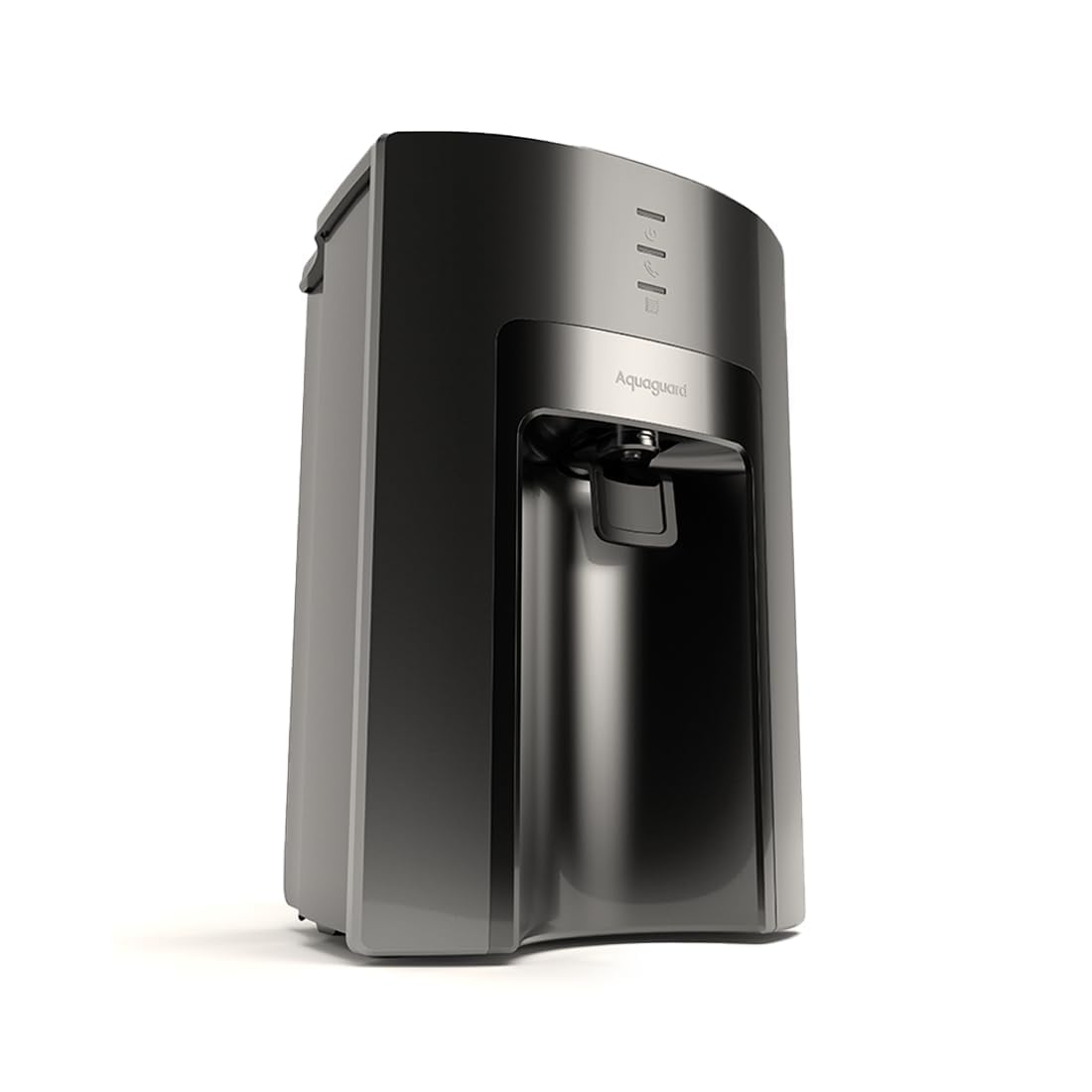
Aquaguard Delight NXT Aquasaver 9-Stage Water Purifier

Pureit Eco Water Saver RO Purifier (Black) with RO+UV+MF Filtration

KENT Smart Plus UV Water Purifier

Livpure Allura Prime Water Purifier RO+UV+UF+Copper+Alkaline

Aquaguard Enrich Ritz Pro RO+UV+Copper+Alkaline Water Purifier
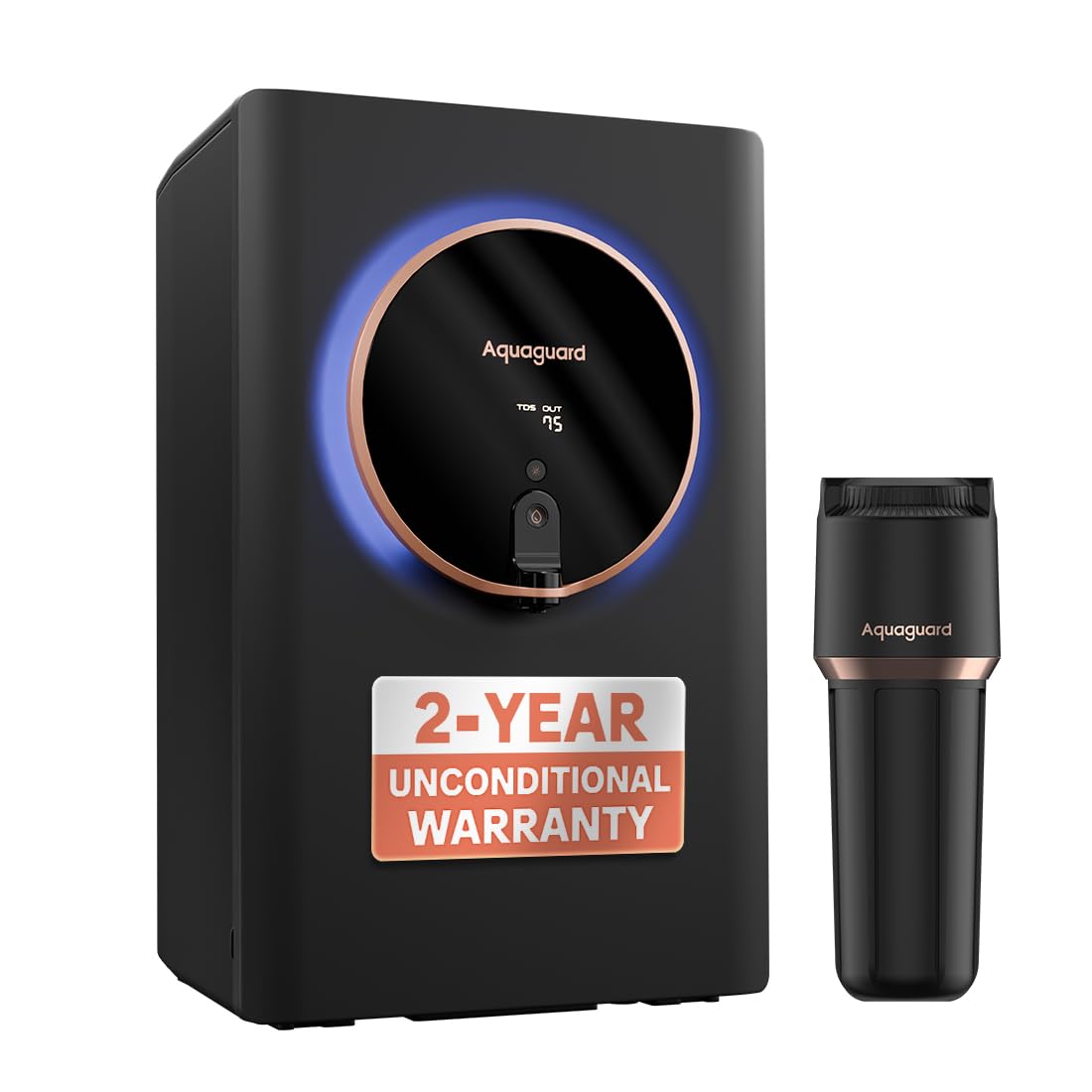
Aquaguard Aspire Glow RO+UV+Copper+Alkaline Water Purifier

KENT Elegant-B RO Water Purifier

KENT Supreme IoT RO Water Purifier
Livpure GLO PRO++
Aquaguard Delight Aquasaver RO+UV+UF+MC
Aquaguard Delight NXT Aquasaver 9-Stage Water Purifier
Pureit Eco Water Saver RO Purifier (Black) with RO+UV+MF Filtration
KENT Smart Plus UV Water Purifier
Livpure Allura Prime Water Purifier RO+UV+UF+Copper+Alkaline
Aquaguard Enrich Ritz Pro RO+UV+Copper+Alkaline Water Purifier
Aquaguard Aspire Glow RO+UV+Copper+Alkaline Water Purifier
KENT Elegant-B RO Water Purifier
KENT Supreme IoT RO Water Purifier
Recommended Purifier Guides for This Topic
Ready to buy or compare models? Explore our lab-tested recommendations tailored to your home's water.
Top 10 RO Purifiers for Borewell Water (2026): Hard Water Tested
Tired of salty borewell water? Compare the 10 best heavy-duty RO purifiers for hard water in India. Features high TDS handling (up to 2500 ppm) & MTDS control.
Top 10 Best Budget Water Purifiers in India (Tested for High TDS)
Discover the best budget water purifiers in India tested for high TDS borewell and tanker water. Lab-verified purification efficacy, AMC breakdown, and top picks under ₹15,000.
Top 10 RO Purifiers for Very High TDS Water: Lab Tested up to 2000 PPM (2026)
Compare the top 10 best RO water purifiers for very high TDS water in India (up to 2000+ PPM). Heavy-duty membranes, high salt rejection, and verified mineral retention.
Ready to secure your home's water?
Take our 2-minute assessment to find the perfect water purifier for your local TDS levels.
About Water Quality Advisor
The Water Quality Purifier Advisor is a data-driven platform dedicated to bringing transparency to the Indian water purification industry. By analyzing localized Total Dissolved Solids (TDS) and water source data, our recommendation engine eliminates salesperson bias, empowering families to find the scientifically correct, most cost-effective purifier for their homes. Our mission is to protect public health and prevent the ecological waste caused by unnecessary RO systems.
Ready for Expert Advice?
Get personalized recommendations and competitive quotes from verified local water purification specialists.
Your data is secure and never shared.
Similar articles
Are IoT Smart Water Purifiers Worth the Hype? A 2026 Buying Guide
Discover if IoT smart water purifiers are worth the investment in 2026. We break down the real ROI, Wi-Fi features, and smart TDS tracking to help you decide.
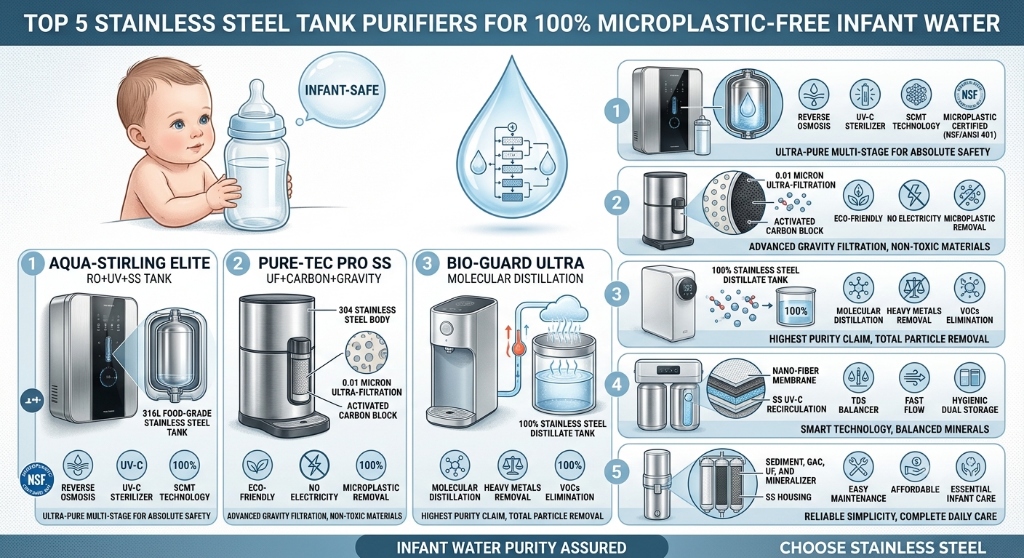
The Dangers of Microplastics in Baby Formula: How to Filter Them Out (2026 Guide)
Discover how microplastics contaminate infant formula through boiling, plastic bottles, and tap water, and learn how Reverse Osmosis and stainless steel eliminate them.
Avoiding AMC Traps: How to Calculate the True 5-Year Cost of Water Purifiers
Don't fall for subsidized upfront price tags. Learn how to calculate the true 5-year Total Cost of Ownership (TCO) of water purifiers, defeat RFID microchip locks, and save up to ₹17,500 on maintenance.
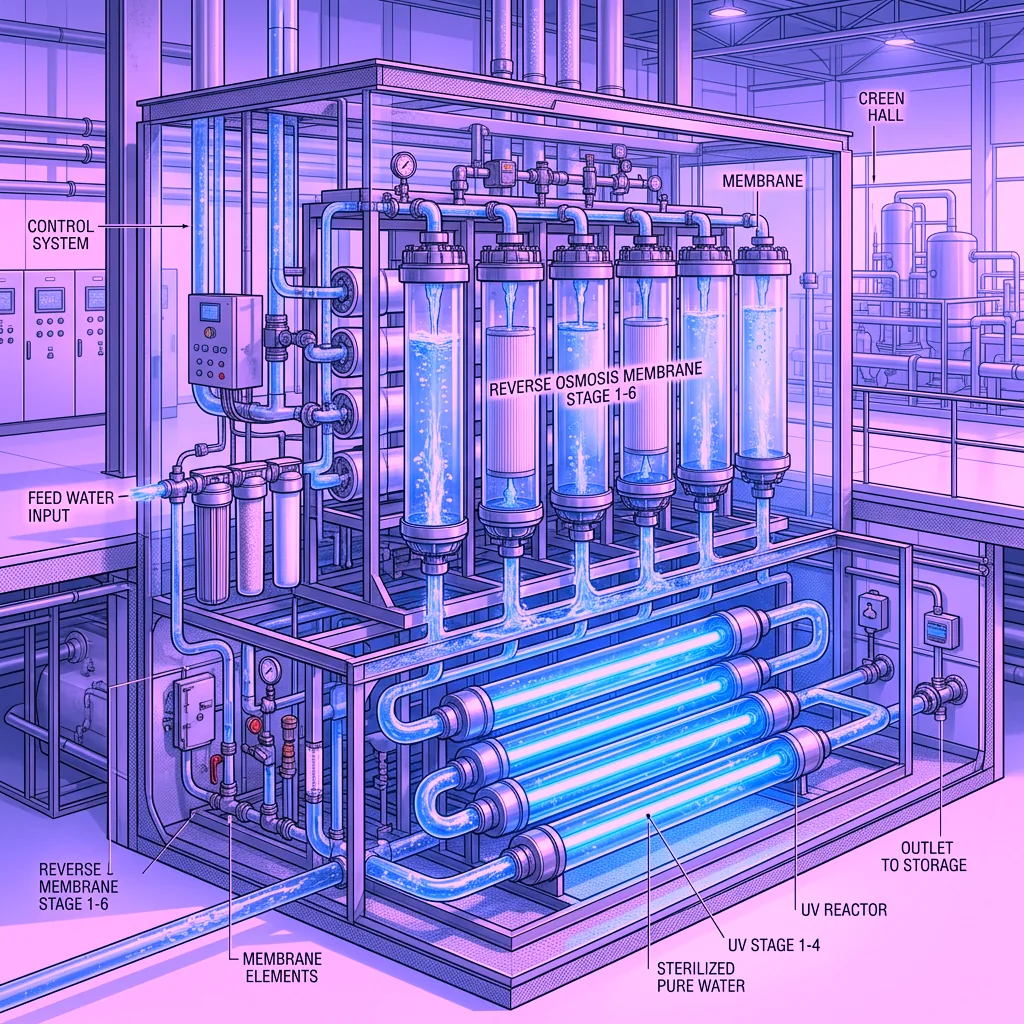
Understanding Different Water Purification Technologies: The Engineering Science of RO, UV, and UF
An exhaustive mechanical engineering and hydro-dynamics guide to drinking water filtration. Demystify RO, UV-C, UF, and Carbon kinetics to avoid showroom over-engineering.
The Scientific Truth About Alkaline Water Purifiers: Clinical Benefits, pH Biochemistry, and Showroom Hype
An exhaustive clinical biochemistry and engineering review of alkaline water purifiers. Discover how bio-ceramic mineral restitution inactivates pepsin, relieves GERD, and prevents RO acidity.
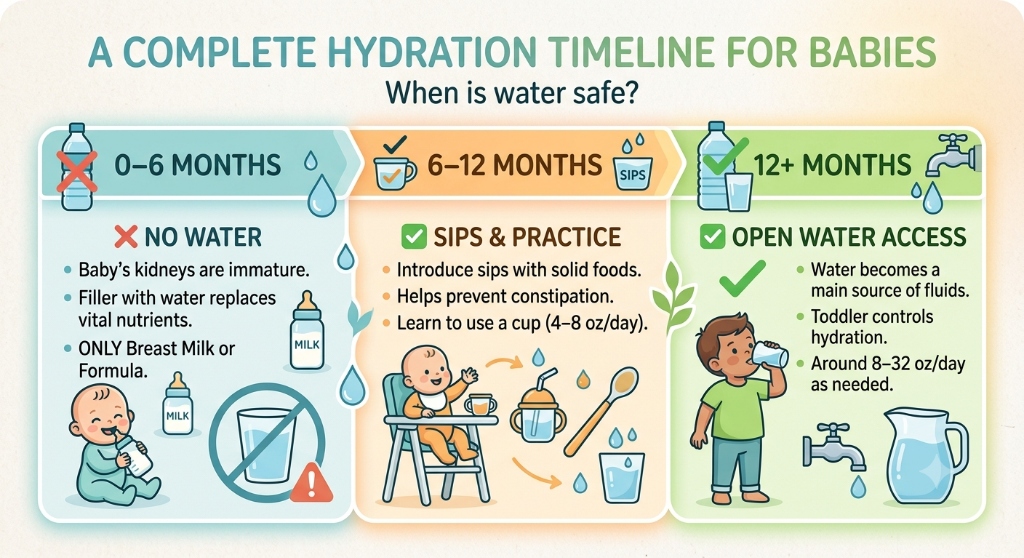
What Age is Water Safe for Babies? (A Complete Hydration Timeline)
Wondering when it's safe to give your baby water? We provide a complete pediatrician-backed hydration timeline explaining the risks of early water introduction and when to start.
Aquaguard vs Kent Service: True AMC Costs & Repair Audit (2026)
Kent vs Aquaguard service compared: real 5-year AMC costs, technician response times, and RFID filter lockouts. Find out which brand is cheaper to maintain in 2026.
Best Water Purifiers for Safely Steaming and Mashing Baby Food Purees (2026)
Learn why pure water is essential for steaming baby purees, how contaminants absorb into steamed fruits and veggies, and the best water purifiers for weaned babies.
Is UV Purified Water Safe for Babies? Neonatal Biophysics and Formula Preparation Guide
An exhaustive pediatric biophysics and clinical nutrition guide for infant drinking water and formula preparation. Demystify UV vs RO safety and prevent methemoglobinemia.

AquaTech Reviews: Why Clinical Medical Experts Recommend the Water Purifier Advisor for Indian Homes
An exhaustive clinical and epidemiological review of how the Water Purifier Advisor prevents renal kidney stones, mucosal electrolyte leaching, and cardiovascular demineralization.
Are IoT Smart Water Purifiers Worth the Hype? A 2026 Buying Guide
Discover if IoT smart water purifiers are worth the investment in 2026. We break down the real ROI, Wi-Fi features, and smart TDS tracking to help you decide.
The Dangers of Microplastics in Baby Formula: How to Filter Them Out (2026 Guide)
Discover how microplastics contaminate infant formula through boiling, plastic bottles, and tap water, and learn how Reverse Osmosis and stainless steel eliminate them.
Avoiding AMC Traps: How to Calculate the True 5-Year Cost of Water Purifiers
Don't fall for subsidized upfront price tags. Learn how to calculate the true 5-year Total Cost of Ownership (TCO) of water purifiers, defeat RFID microchip locks, and save up to ₹17,500 on maintenance.
Understanding Different Water Purification Technologies: The Engineering Science of RO, UV, and UF
An exhaustive mechanical engineering and hydro-dynamics guide to drinking water filtration. Demystify RO, UV-C, UF, and Carbon kinetics to avoid showroom over-engineering.
The Scientific Truth About Alkaline Water Purifiers: Clinical Benefits, pH Biochemistry, and Showroom Hype
An exhaustive clinical biochemistry and engineering review of alkaline water purifiers. Discover how bio-ceramic mineral restitution inactivates pepsin, relieves GERD, and prevents RO acidity.
What Age is Water Safe for Babies? (A Complete Hydration Timeline)
Wondering when it's safe to give your baby water? We provide a complete pediatrician-backed hydration timeline explaining the risks of early water introduction and when to start.
Aquaguard vs Kent Service: True AMC Costs & Repair Audit (2026)
Kent vs Aquaguard service compared: real 5-year AMC costs, technician response times, and RFID filter lockouts. Find out which brand is cheaper to maintain in 2026.
Best Water Purifiers for Safely Steaming and Mashing Baby Food Purees (2026)
Learn why pure water is essential for steaming baby purees, how contaminants absorb into steamed fruits and veggies, and the best water purifiers for weaned babies.
Is UV Purified Water Safe for Babies? Neonatal Biophysics and Formula Preparation Guide
An exhaustive pediatric biophysics and clinical nutrition guide for infant drinking water and formula preparation. Demystify UV vs RO safety and prevent methemoglobinemia.
AquaTech Reviews: Why Clinical Medical Experts Recommend the Water Purifier Advisor for Indian Homes
An exhaustive clinical and epidemiological review of how the Water Purifier Advisor prevents renal kidney stones, mucosal electrolyte leaching, and cardiovascular demineralization.
Next Steps: Free Water Tools & Guides
Continue your research with our interactive calculators, AI assessment, and expert buying guides.
Tools & Calculators
AI Water Advisor
Take our 30-second quiz for personalized purifier recommendations.
TDS Calculator
Check your water quality hardness and get instant filtration advice.
Smart Purifier Catalog
Browse our full catalog of water purifiers with advanced filtering.
5-Year TCO Calculator
Compare long-term costs of Buying vs Renting vs Water Jars.
Maintenance Estimator
Avoid AMC traps and calculate your exact 5-year filter replacement costs.
Top Blog Posts & Guides
Top 10 Purifiers in India
Lab-tested rankings of 2026's best purifiers with 5-year AMC costs.
Best RO for Borewell
High-TDS purification systems tailored for hard borewell water.
Best for Municipal Water
Low-maintenance UV/UF purifiers for municipal corporation supply.
5 Signs Your RO Membrane Needs Replacement: Guide for Borewell & Municipal Water
Is your water purifier wasting water? Learn the top 5 signs your RO membrane needs replacement when using hard borewell water or high-TDS municipal water.
The Hidden Maintenance Costs of RO Purifiers Under ₹15,000 (2026 Guide)
Are budget RO purifiers worth it? Uncover the hidden AMC traps, proprietary filter replacement costs, and true 5-year TCO of water purifiers under ₹15,000.
Comments & Discussion
0 Comments