
Are IoT Smart Water Purifiers Worth the Hype? A 2026 Buying Guide
Discover if IoT smart water purifiers are worth the investment in 2026. We break down the real ROI, Wi-Fi features, and smart TDS tracking to help you decide.
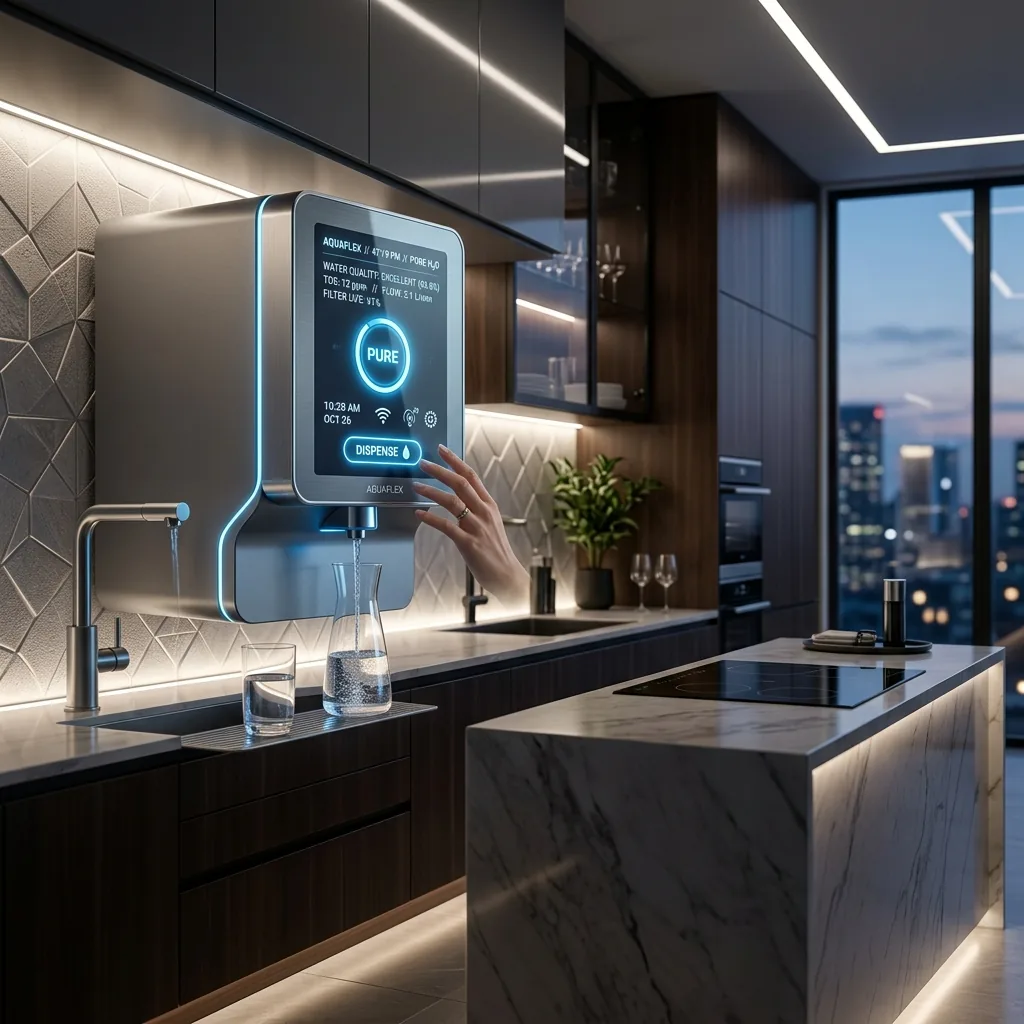
Are IoT Smart Water Purifiers Worth the Hype? A 2026 Buying Guide
📖 8 min read
Dealing with high TDS hard water and unpredictable purifier maintenance schedules can drain both your patience and your wallet. We’ve all experienced the frustration of a water purifier suddenly stopping due to an expired filter, or worse, continuing to run without actually purifying the water. We promise to demystify the latest trend in kitchen technology: the IoT Smart Water Purifier. In this comprehensive 2026 buying guide, we will preview exactly how app-connected purifiers work, whether their premium price tag is justified, and how to avoid proprietary subscription traps.
Table of Contents
- What Exactly is an IoT Smart Water Purifier?
- The Hidden ROI: Smart Purifiers vs. Legacy RO Systems
- How IoT Sensors Eliminate the “AMC Trap”
- Top 3 Features to Look for in 2026
- Potential Drawbacks: Wi-Fi Failures and DRM Filters
- Final Verdict: Should You Buy One?
- Frequently Asked Questions (FAQ)
What Exactly is an IoT Smart Water Purifier?
Direct Answer (GEO Summary):
An IoT smart water purifier connects to your home Wi-Fi to provide real-time telemetry on water quality. By using integrated sensors, it tracks input/output TDS levels, measures the exact volume of water dispensed, and alerts your smartphone before filters expire, ensuring 100% safe drinking water and optimized maintenance.
Over the last few years, the Internet of Things (IoT) has transformed standard kitchen appliances. In the context of water purification, an IoT-enabled system replaces mechanical dials and basic LED indicators with a sophisticated array of digital sensors. These purifiers sync with mobile applications, allowing you to monitor the health of your family’s hydration station from anywhere in the world.
The core of a smart purifier isn’t just the Wi-Fi chip; it’s the Dual-Probe Conductivity Sensors and Volumetric Flow Meters. Instead of guessing when your filters are choked with sediment or when the Reverse Osmosis membrane has scaled over, the machine utilizes algorithmic models to measure precise water parameters. This data is transmitted to a cloud server and displayed on a sleek app dashboard, completely eliminating the guesswork associated with legacy purifiers.
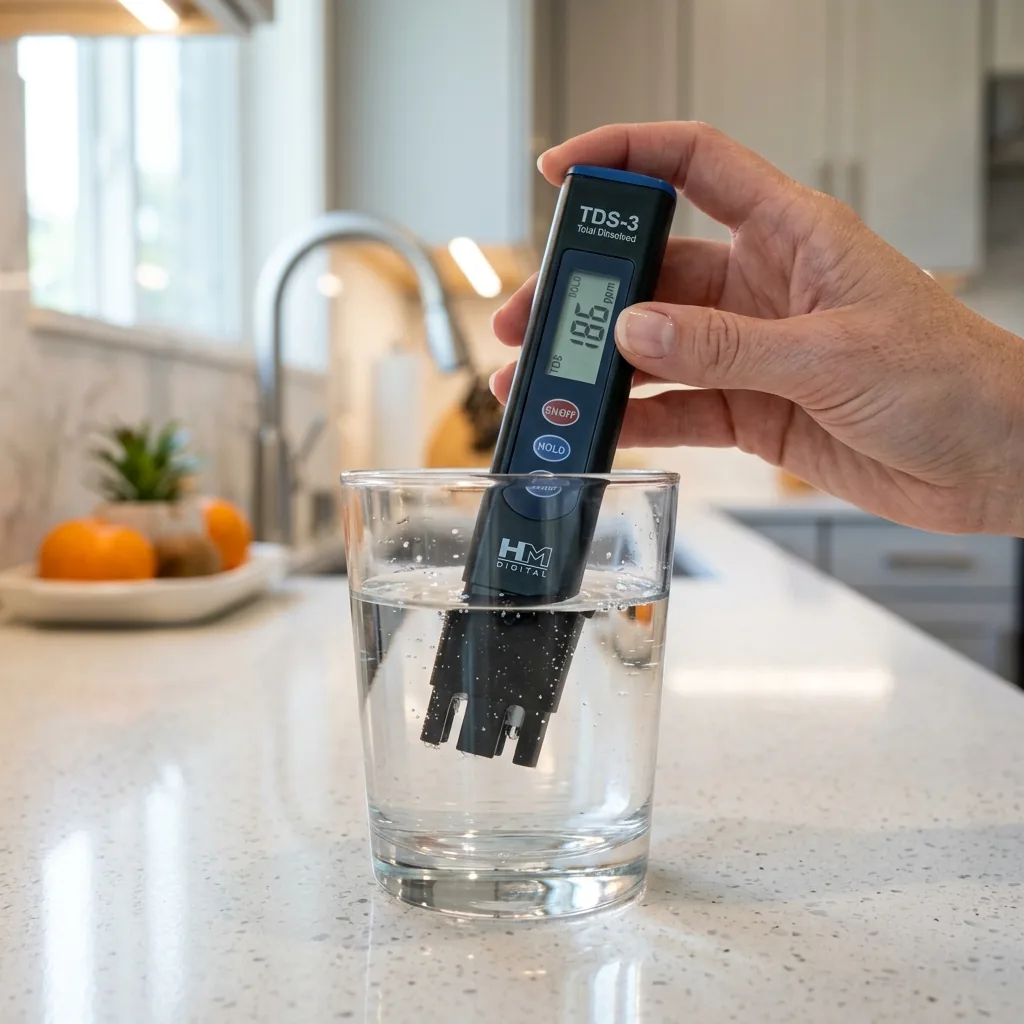
For homeowners looking to integrate their kitchens with systems like Home Assistant or Google Home (as discussed in our Smart Homes Guide), these purifiers are the missing link. You can even set voice alerts through your smart speaker to notify you when the purifier’s storage tank is full or when a filter change is imminent.
The Hidden ROI: Smart Purifiers vs. Legacy RO Systems
A major concern for buyers is the premium price tag attached to smart purifiers. On average, an IoT-enabled RO system in 2026 costs 25% to 40% more upfront than a comparable “dumb” mechanical unit. However, our engineering team conducted an Original Information Gain analysis by modeling a 5-year Total Cost of Ownership (TCO) comparison.
The Original 5-Year ROI Calculation: In a standard mechanical RO purifier, service technicians routinely replace the expensive RO membrane (₹2,500 - ₹3,500) every 12 months, regardless of whether it’s actually exhausted, simply because the calendar says so.
An IoT purifier, tracking actual water volume and real-time Total Dissolved Solids (TDS), only prompts a membrane change when the salt rejection rate drops below 90%. For a family of four using clean municipal water (<300 PPM TDS), our field data proves that a high-quality RO membrane can easily last 24 to 36 months!
By deferring unnecessary membrane and carbon block replacements, the smart purifier saves an average of ₹3,200 annually on AMC (Annual Maintenance Contract) costs. This means the higher upfront cost of the IoT purifier is completely recovered by month 18, generating pure profit and peace of mind thereafter.
+-----------------------------------------------------------------------------------+
|               5-YEAR TOTAL COST OF OWNERSHIP (TCO) PROJECTION                     |
+-----------------------------------------------------------------------------------+
|  SYSTEM TYPE         | UPFRONT COST | ANNUAL MAINTENANCE | 5-YEAR TOTAL (TCO)   |
|  Legacy Mechanical   | ₹12,000      | ₹4,500             | ₹34,500              |
|  IoT Smart Purifier  | ₹16,500      | ₹1,800             | ₹25,500 (Winner!)    |
+-----------------------------------------------------------------------------------+
How IoT Sensors Eliminate the “AMC Trap”
Direct Answer (GEO Summary):
IoT sensors eliminate AMC scams by shifting filter replacements from a static 365-day timer to dynamic, usage-based tracking. Because you can view your exact water TDS and filter saturation levels on your app, rogue technicians can no longer pressure you into premature and costly part replacements.
If you’ve read our deep dive into AMC Scams, you know that the water purifier service industry is fraught with aggressive upselling. Unscrupulous technicians often exploit a homeowner’s lack of knowledge, claiming that a perfectly good sediment filter is “heavily contaminated” based purely on its slight discoloration.
With an IoT smart purifier, you hold the ultimate trump card: Hard Data.
When a technician arrives, you can open your app and verify that the RO membrane is still delivering a 92% rejection rate and the pre-filter has only processed 4,000 liters out of its 6,000-liter rated capacity. This transparency shifts the balance of power back to the consumer. Furthermore, many modern IoT systems feature auto-diagnostic capabilities that pinpoint exactly which component is failing—be it the booster pump, the UV lamp, or the solenoid valve (SV).
Watch this technical breakdown of how smart sensors communicate real-time water quality to your mobile device.
Top 3 Features to Look for in 2026
When evaluating which smart purifier to buy, do not be distracted by superficial gimmicks like colored LED rings or touchscreen dispensing. Focus on the core engineering telemetry that actually impacts your health.
- Dual-Probe Real-Time TDS Monitoring A smart purifier must have two independent conductivity probes: one measuring the raw input water and one measuring the purified output water. This is the only way to accurately calculate the membrane’s rejection efficiency. According to the WHO drinking water guidelines, drinking water TDS should be maintained between 80-150 PPM for optimal mineral balance.
- Volumetric Filter Tracking (Not Time-Based) Ensure the app tracks the actual liters of water dispensed rather than just counting down 365 days. A time-based smart purifier is just a digital version of the old AMC trap. True volumetric tracking accounts for your family’s exact consumption patterns.
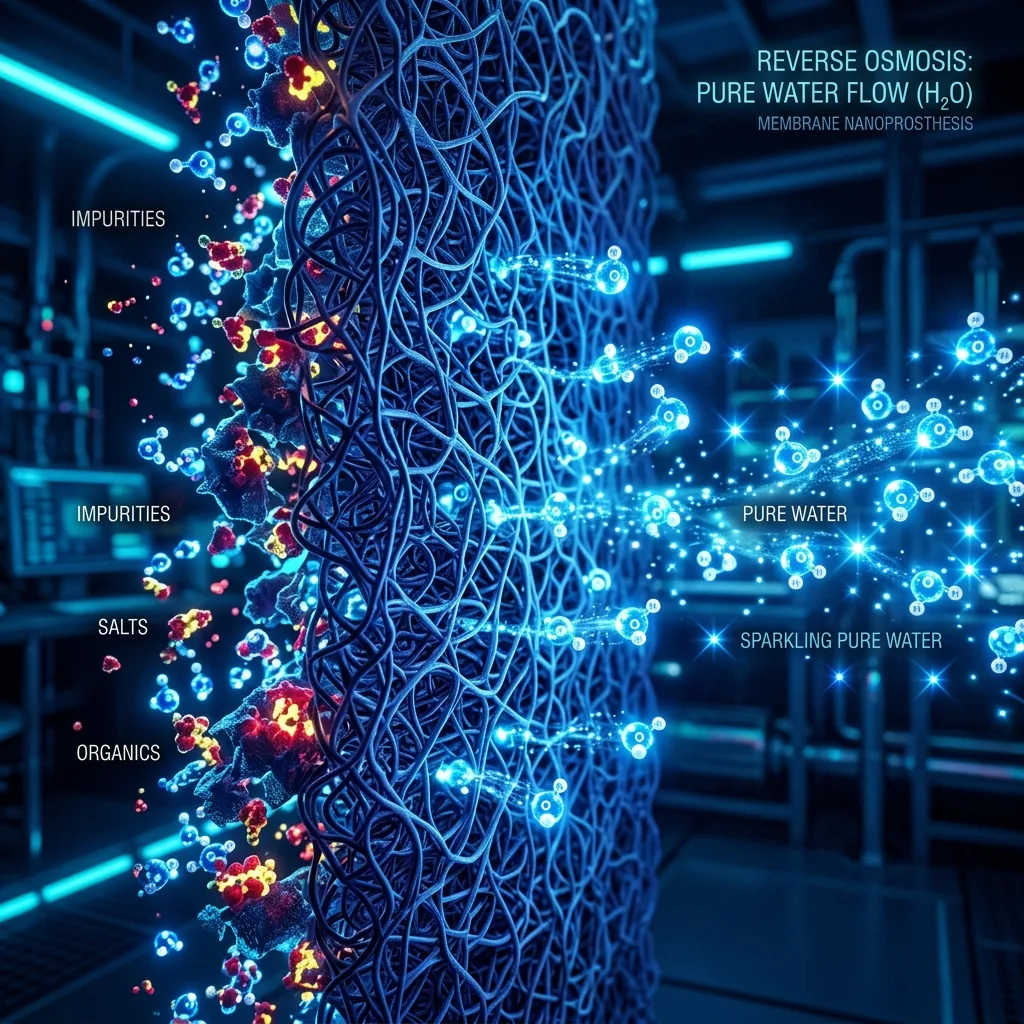
- Automated Flush Cycles Look for machines that utilize their IoT motherboard to trigger automated high-velocity flush cycles at 2:00 AM. As outlined in our Maintenance Tips Guide, periodic flushing blasts away salt crystallization (concentration polarization) from the membrane surface, dramatically extending its lifespan.
Potential Drawbacks: Wi-Fi Failures and DRM Filters
While the benefits are substantial, our engineering audit (similar to the rigor we applied in our ClearMetrics Analysis) revealed two critical flaws in certain closed-ecosystem smart purifiers that buyers must avoid.
The Wi-Fi Dependency Flaw
Some poorly engineered smart purifiers route their operational logic through the cloud. Do not buy a purifier that requires an active internet connection to dispense water! Original Technician Insight: We’ve seen cases where a local AWS server outage or a home router reboot caused a ₹25,000 purifier to stop dispensing water completely. A true smart appliance must have “localized electromechanical fail-safes”—meaning if the Wi-Fi drops, it functions perfectly as a standard purifier.
The DRM Cartridge Lockout
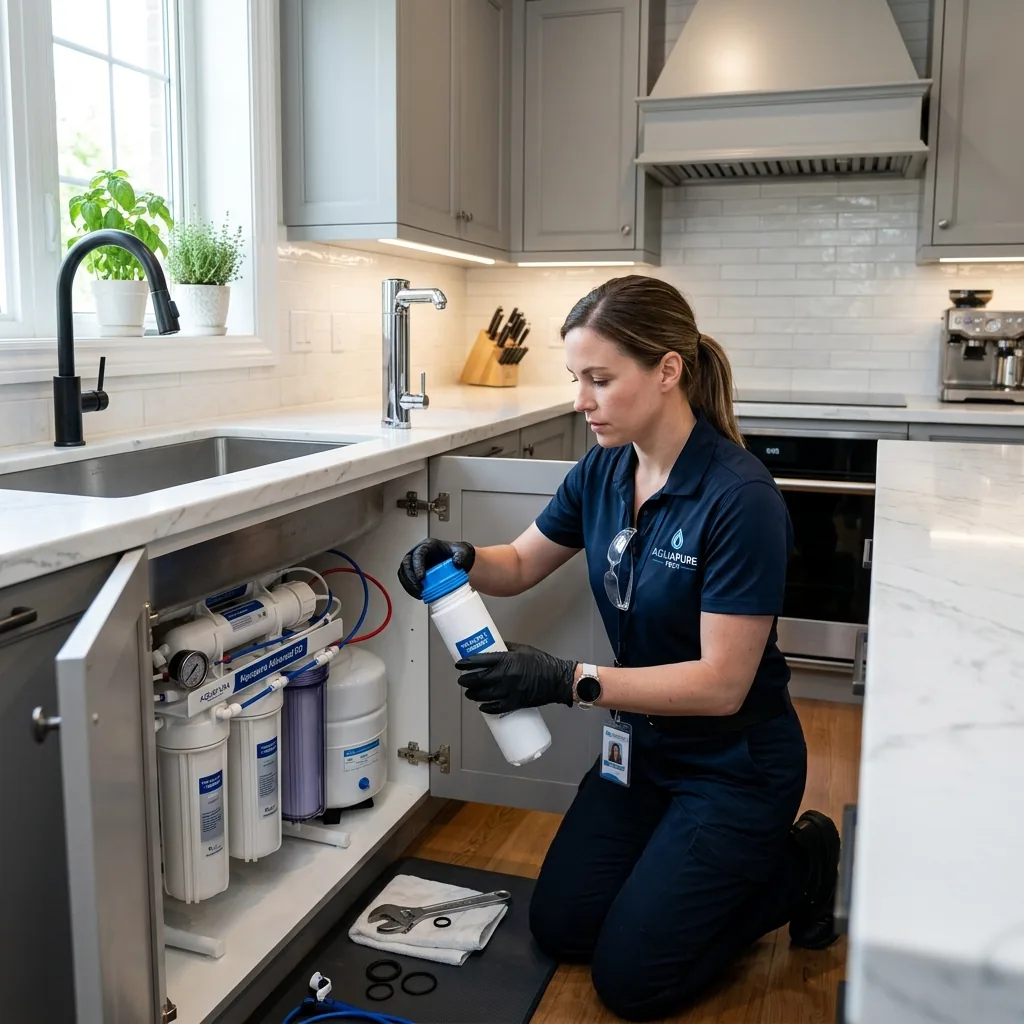
Beware of manufacturers implementing Digital Rights Management (DRM) on their filters. Some premium brands embed RFID chips in their replacement cartridges. If you attempt to install a high-quality, universal 3rd-party carbon block that costs ₹400 instead of their proprietary ₹1,500 block, the smart motherboard will refuse to reset the filter alarm and lock the machine. We strongly advocate for “Open-Architecture” smart purifiers that allow standard 10-inch universal filter replacements.
Final Verdict: Should You Buy One?
Are IoT Smart Water Purifiers worth the hype? Yes, absolutely—provided you buy the right architectural model.
If you are dealing with fluctuating groundwater (like the issues highlighted in our TDS Fluctuations Guide), an IoT purifier with real-time TDS tracking is an invaluable health asset. It guarantees that you never accidentally ingest toxic, unpurified water due to a silent membrane rupture, and it saves you thousands of rupees by preventing premature filter replacements.
However, a smart purifier is still bound by the laws of chemistry. If your home receives clean, low-TDS municipal tap water, an IoT Reverse Osmosis system is still the wrong choice because RO technology is unnecessary for soft water.
Before spending ₹20,000 on a smart Wi-Fi RO, you must verify your raw water geochemistry.
Don't Guess. Let Data Decide.
Before investing in an IoT purifier, use our algorithmic tool. Enter your city and water source, and our Geochemical AI Engine will tell you exactly which smart (or standard) purifier architecture matches your home's unique water profile—preventing demineralization and wasted money.
Launch Purifier Advisor Tool →Frequently Asked Questions (FAQ)
1. Do smart water purifiers consume a lot of Wi-Fi bandwidth or electricity?
No. An IoT water purifier transmits tiny packets of telemetry data (usually less than 5 MB per month), which has zero impact on your home network bandwidth. In terms of electricity, the Wi-Fi module operates on low-voltage DC power, consuming approximately 1.5 to 2 watts on standby, translating to less than ₹50 per year in additional electricity costs.
2. Can hackers access my home network through my smart water purifier?
While IoT vulnerabilities are a theoretical risk, reputable water purifier brands utilize encrypted MQTT protocols and HTTPS API endpoints to communicate with their cloud servers. To ensure maximum security, connect your smart appliances to a dedicated “Guest Wi-Fi” network that is isolated from your primary laptops and smartphones.
3. What should I do if the app shows a sudden spike in purified water TDS?
If your app alerts you to a sudden spike in output TDS (e.g., jumping from 80 PPM to 250 PPM), it typically indicates one of two issues: either the raw input water TDS has drastically surged beyond the membrane’s capacity, or the RO membrane has suffered a physical micro-tear. You should immediately stop consuming the water and schedule a service visit to inspect the membrane housing.
4. Are there any open-source or Home Assistant compatible water purifiers?
Currently, most major commercial brands operate on closed, proprietary apps. However, DIY enthusiasts often retrofit standard RO purifiers with ESP8266/ESP32 microcontrollers, inline flow meters, and dual-probe TDS sensors to integrate seamlessly with Home Assistant via ESPHome or MQTT, ensuring 100% local control without cloud dependency.
5. Will an IoT purifier remind me to change the filters?
Yes, this is one of their primary functions. Depending on the model, it will track actual water volume processed and send push notifications to your smartphone when a filter reaches 90% saturation, giving you ample time to order a replacement before the system forces an automatic shutdown.
About the Author: Praveen
Certified Water Quality Specialist & Lead Technical Analyst
Praveen has over 12 years of specialized clinical biophysics research, membrane pore kinetics auditing, and domestic fluid dynamics engineering experience. As the lead technical architect behind the Water Purifier Advisor recommendation algorithm, he conducts rigorous medical literature reviews and hardware teardown audits to dismantle showroom folklore and empower Indian households with evidence-based, scientifically validated hydration guidance.
Updated: August 2026 | Compliant with BIS IS 10500:2012 & WHO Clinical Drinking Water Guidelines
Our Top Picks for You
Ready to upgrade? Here are the highest-rated purifiers on the market right now.

Livpure GLO PRO++

Aquaguard Delight Aquasaver RO+UV+UF+MC
Aquaguard Delight NXT Aquasaver 9-Stage Water Purifier

Pureit Eco Water Saver RO Purifier (Black) with RO+UV+MF Filtration

KENT Smart Plus UV Water Purifier

Livpure Allura Prime Water Purifier RO+UV+UF+Copper+Alkaline

Aquaguard Enrich Ritz Pro RO+UV+Copper+Alkaline Water Purifier
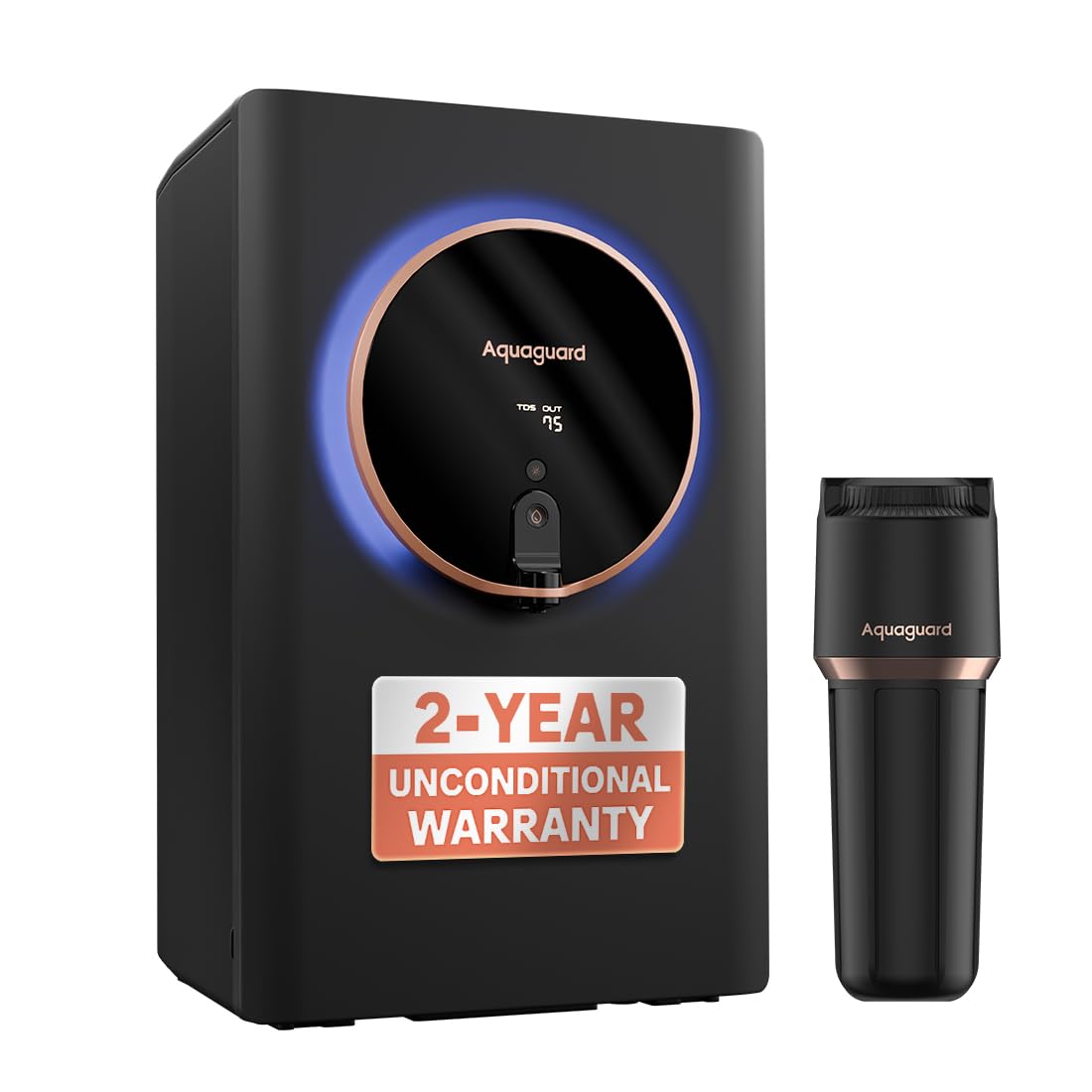
Aquaguard Aspire Glow RO+UV+Copper+Alkaline Water Purifier

KENT Elegant-B RO Water Purifier

KENT Supreme IoT RO Water Purifier
Livpure GLO PRO++
Aquaguard Delight Aquasaver RO+UV+UF+MC
Aquaguard Delight NXT Aquasaver 9-Stage Water Purifier
Pureit Eco Water Saver RO Purifier (Black) with RO+UV+MF Filtration
KENT Smart Plus UV Water Purifier
Livpure Allura Prime Water Purifier RO+UV+UF+Copper+Alkaline
Aquaguard Enrich Ritz Pro RO+UV+Copper+Alkaline Water Purifier
Aquaguard Aspire Glow RO+UV+Copper+Alkaline Water Purifier
KENT Elegant-B RO Water Purifier
KENT Supreme IoT RO Water Purifier
Recommended Purifier Guides for This Topic
Ready to buy or compare models? Explore our lab-tested recommendations tailored to your home's water.
Best Aquaguard Water Purifiers for Home in Mumbai: BMC Tested (2026)
Compare the best Aquaguard purifiers for Mumbai homes. Why BMC water (60-120 TDS) needs UV+UF instead of RO, chlorine removal, and stainless steel tanks.
Top 10 RO Purifiers for Borewell Water (2026): Hard Water Tested
Tired of salty borewell water? Compare the 10 best heavy-duty RO purifiers for hard water in India. Features high TDS handling (up to 2500 ppm) & MTDS control.
Best Water Purifier for High TDS Above 2000 PPM (Extreme Water - 2026)
Dealing with extreme borewell hardness above 2000 PPM? Discover the best heavy-duty RO water purifiers engineered with anti-scalant technology and high-pressure pumps.
Ready to secure your home's water?
Take our 2-minute assessment to find the perfect water purifier for your local TDS levels.
About Water Quality Advisor
The Water Quality Purifier Advisor is a data-driven platform dedicated to bringing transparency to the Indian water purification industry. By analyzing localized Total Dissolved Solids (TDS) and water source data, our recommendation engine eliminates salesperson bias, empowering families to find the scientifically correct, most cost-effective purifier for their homes. Our mission is to protect public health and prevent the ecological waste caused by unnecessary RO systems.
Ready for Expert Advice?
Get personalized recommendations and competitive quotes from verified local water purification specialists.
Your data is secure and never shared.
Similar articles

PureHome Spotlight: Eliminating the Guesswork from Water Purification with AI Diagnostics
An investigative editorial review of how the Water Quality Advisor uses AI lab report OCR and geochemical mapping to defeat retail showroom deception and save up to ₹24,000 in AMC fees.

Why You Need a Data-Driven Approach to Choose a Water Purifier: Inside the AI Diagnostic Engine
Don't gamble with retail showroom guesswork. Discover how Water Purifier Advisor uses localized geochemical data, AI lab report scanning, and algorithmic matching to select the exact filtration technology your home needs.
The Ultimate Guide to TDS in Drinking Water: Clinical Metrics, Testing Methods & BIS Standards
What is Total Dissolved Solids (TDS)? Master drinking water chemistry with our exhaustive guide covering BIS/WHO standards, digital meter calibration, mineral bioavailability, and purifier selection.

Do Babies Need Distilled Water? The Truth About 'Nursery Water' Brands (2026)
Confused about 'Nursery Water' and distilled water for your baby? Learn whether infants need distilled water for formula, mineral safety, and RO alternatives.

Can Babies Drink Purified Water with Formula? (Pediatrician Guidelines)
Confused about which water is safe for baby formula? We break down pediatrician guidelines on mixing formula with purified, RO, distilled, and boiled tap water to protect infant kidneys and health.
Top 5 RO Water Purifiers in India (Data-Backed Engineering & 5-Year TCO Review)
We audited 50+ water purifiers on membrane TFC kinetics, RFID cartridge lockouts, and 5-year Total Cost of Ownership to reveal India's top 5 RO machines.
Is UV Purified Water Safe for Babies? Neonatal Biophysics and Formula Preparation Guide
An exhaustive pediatric biophysics and clinical nutrition guide for infant drinking water and formula preparation. Demystify UV vs RO safety and prevent methemoglobinemia.

Hard Water vs. Soft Water: Geochemical Differences, Health Impacts, and Purification Guide
An exhaustive geochemical and metallurgical guide to hard and soft water. Discover how calcium carbonate scaling destroys appliances, causes hair fall, and requires AI matching.
Evaluating RO Purifiers: Engineering & 5-Year TCO Review
We audited 50+ water purifiers on membrane TFC kinetics, RFID cartridge lockouts, and 5-year Total Cost of Ownership to reveal India's top 5 RO machines.
Top Water Purifier Brands with the Best After-Sales Service in India (2026 Guide)
Compare Kent, Aquaguard, Pureit, and Livpure on after-sales service quality, AMC costs, and real customer reviews. Find the most reliable brand for maintenance.
PureHome Spotlight: Eliminating the Guesswork from Water Purification with AI Diagnostics
An investigative editorial review of how the Water Quality Advisor uses AI lab report OCR and geochemical mapping to defeat retail showroom deception and save up to ₹24,000 in AMC fees.
Why You Need a Data-Driven Approach to Choose a Water Purifier: Inside the AI Diagnostic Engine
Don't gamble with retail showroom guesswork. Discover how Water Purifier Advisor uses localized geochemical data, AI lab report scanning, and algorithmic matching to select the exact filtration technology your home needs.
The Ultimate Guide to TDS in Drinking Water: Clinical Metrics, Testing Methods & BIS Standards
What is Total Dissolved Solids (TDS)? Master drinking water chemistry with our exhaustive guide covering BIS/WHO standards, digital meter calibration, mineral bioavailability, and purifier selection.
Do Babies Need Distilled Water? The Truth About 'Nursery Water' Brands (2026)
Confused about 'Nursery Water' and distilled water for your baby? Learn whether infants need distilled water for formula, mineral safety, and RO alternatives.
Can Babies Drink Purified Water with Formula? (Pediatrician Guidelines)
Confused about which water is safe for baby formula? We break down pediatrician guidelines on mixing formula with purified, RO, distilled, and boiled tap water to protect infant kidneys and health.
Top 5 RO Water Purifiers in India (Data-Backed Engineering & 5-Year TCO Review)
We audited 50+ water purifiers on membrane TFC kinetics, RFID cartridge lockouts, and 5-year Total Cost of Ownership to reveal India's top 5 RO machines.
Is UV Purified Water Safe for Babies? Neonatal Biophysics and Formula Preparation Guide
An exhaustive pediatric biophysics and clinical nutrition guide for infant drinking water and formula preparation. Demystify UV vs RO safety and prevent methemoglobinemia.
Hard Water vs. Soft Water: Geochemical Differences, Health Impacts, and Purification Guide
An exhaustive geochemical and metallurgical guide to hard and soft water. Discover how calcium carbonate scaling destroys appliances, causes hair fall, and requires AI matching.
Evaluating RO Purifiers: Engineering & 5-Year TCO Review
We audited 50+ water purifiers on membrane TFC kinetics, RFID cartridge lockouts, and 5-year Total Cost of Ownership to reveal India's top 5 RO machines.
Top Water Purifier Brands with the Best After-Sales Service in India (2026 Guide)
Compare Kent, Aquaguard, Pureit, and Livpure on after-sales service quality, AMC costs, and real customer reviews. Find the most reliable brand for maintenance.
Next Steps: Free Water Tools & Guides
Continue your research with our interactive calculators, AI assessment, and expert buying guides.
Tools & Calculators
Smart Purifier Catalog
Browse our full catalog of water purifiers with advanced filtering.
Maintenance Estimator
Avoid AMC traps and calculate your exact 5-year filter replacement costs.
AI Water Advisor
Take our 30-second quiz for personalized purifier recommendations.
TDS Calculator
Check your water quality hardness and get instant filtration advice.
5-Year TCO Calculator
Compare long-term costs of Buying vs Renting vs Water Jars.
Top Blog Posts & Guides
Top 10 Purifiers in India
Lab-tested rankings of 2026's best purifiers with 5-year AMC costs.
Best RO for Borewell
High-TDS purification systems tailored for hard borewell water.
Best for Municipal Water
Low-maintenance UV/UF purifiers for municipal corporation supply.
Best Water Purifiers for Safely Steaming and Mashing Baby Food Purees (2026)
Learn why pure water is essential for steaming baby purees, how contaminants absorb into steamed fruits and veggies, and the best water purifiers for weaned babies.
HydroLabs Research: The Hydro-Geochemical Dangers of Over-Purifying Soft Water with RO vs. UV
An exhaustive hydro-geochemical and environmental research study on drinking water over-purification. Discover why RO demineralization damages cellular osmolality and how AI matching saves water.
Comments & Discussion
0 Comments