
The Dangers of Microplastics in Baby Formula: How to Filter Them Out (2026 Guide)
Discover how microplastics contaminate infant formula through boiling, plastic bottles, and tap water, and learn how Reverse Osmosis and stainless steel eliminate them.
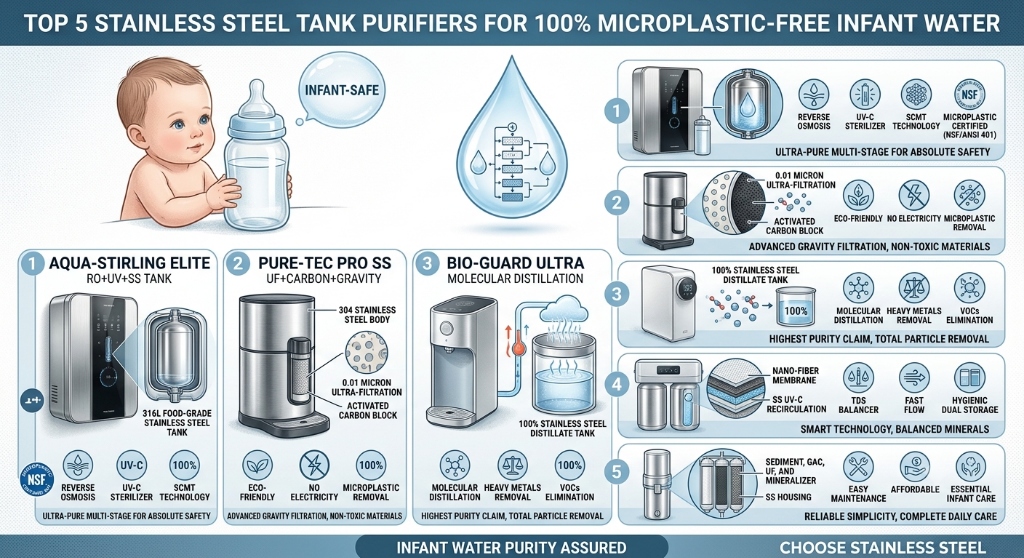
📖 16 min read · Fact-Checked by Praveen, Certified Water Quality Specialist & Environmental Health Researcher
Few environmental health revelations have shocked pediatricians, toxicologists, and new parents quite like the recent wave of empirical research uncovering synthetic polymer contamination in early infant nutrition. For decades, parental anxiety centered on biological pathogens—such as Salmonella enterica and Cronobacter sakazakii—or visible chemical contaminants like heavy rust and industrial chlorine. However, modern scientific instrumentation, including micro-Raman spectroscopy and Fourier-transform infrared (FTIR) microscopy, has illuminated an invisible, pervasive contaminant that threatens the vulnerable developing biology of newborn infants: microplastics and sub-micron nanoplastics.
When parents prepare powdered infant formula milk, they routinely follow the sterile guidelines established by the World Health Organization (WHO) Guidelines on Infant Formula Preparation, which mandate heating water to at least 70°C (158°F) to eradicate opportunistic bacterial pathogens. Tragically, this very temperature triggers an aggressive physicochemical reaction when applied to standard consumer baby bottles made of polypropylene: thermal shock causes the plastic matrix to shed tens of millions of microscopic polymer particles directly into the infant’s milk. Combined with synthetic microfibers ubiquitous in municipal tap water, millions of infants worldwide are ingesting staggering quantities of non-biodegradable synthetic polymers every single day.
In this exhaustive 2026 technical guide, we evaluate the peer-reviewed clinical literature, unpack landmark investigative field studies from Ireland, Italy, Austria, and across the globe, examine how these synthetic foreign bodies interact with immature neonatal intestinal barriers, and provide actionable engineering protocols—anchored by 0.0001-micron Reverse Osmosis and surgical-grade 304 stainless steel systems—to achieve a zero-plastic nursery environment for your child.
Table of Contents
- The Global Investigative Evidence: Shocking Real-World Discoveries
- The Physicochemistry of Polypropylene: What Happens at 70°C
- The Vector Pathways: How Microplastics Infiltrate Infant Milk
- Biological Vulnerabilities: Why Neonatal Gut Barriers Fail
- The Boiling Myth: Why Traditional Boiling Worsens Plastic Concentrations
- Filtration Architecture: What Actually Filters Out Micro- and Nanoplastics
- The Hidden Threat Inside Domestic Water Purifiers: Plastic vs. Stainless Steel Tanks
- The Clinical Zero-Plastic Formula Preparation Protocol
- Regulatory Landscape: WHO, US EPA, EFSA, and Indian Standards
- Comprehensive Frequently Asked Questions (Parental & Pediatric FAQs)
- Clinical & Technical Glossary
The Global Investigative Evidence: Shocking Real-World Discoveries
Parental concern over synthetic polymers is no longer a theoretical debate confined to environmental conferences. Over the past five years, landmark forensic investigations across major international research institutions have exposed the staggering scale of infant plastic exposure.
1. The Trinity College Dublin Landmark Investigation (Nature Food, 2020)
In October 2020, an interdisciplinary team of chemical engineers and biomedical researchers at Trinity College Dublin, led by Professor John Boland and Dr. Jing Jing Wang, published a monumental study in the peer-reviewed journal Nature Food (DOI: 10.1038/s43016-020-00171-y). The researchers examined standard polypropylene (PP) baby feeding bottles—which represent roughly 82% of the global infant bottle market across Europe, North America, and Asia.
Following standard international sterilization and formula preparation guidelines (cleaning with room-temperature water, boiling at 100°C, and filling with 70°C water for formula reconstitution), the laboratory discovered that:
- Standard polypropylene baby bottles shed between 1.3 million and 16.2 million microplastic particles per liter of liquid into the infant’s feed.
- Trillions of even smaller nanoplastics (particles measuring below 1 micrometer, undetectable under basic optical microscopes) were simultaneously shed into the solution.
- Microplastic shedding dramatically accelerated as water temperature rose: water at 25°C released roughly 600,000 particles/liter, but increasing water temperature to 70°C triggered an exponential surge to over 16 million particles/liter.
- When extrapolated globally, the authors calculated that formula-fed infants in industrialized nations ingest an average of 1.58 million microplastic particles per day during the first 12 months of life. In regions like the United States, Europe, and urban India, daily ingestion exceeded 2 million to 4 million particles per infant.
2. The Rome Fatebenefratelli Hospital Placental Discovery (Environment International, 2020)
In late 2020, a groundbreaking surgical study titled Plasticenta: First evidence of microplastics in human placenta was published in Environment International (DOI: 10.1016/j.envint.2020.106274) by researchers at the Fatebenefratelli Hospital in Rome, Italy.
Led by Dr. Antonio Ragusa, obstetricians analyzed twelve human placentas from healthy, consenting mothers who underwent uncomplicated pregnancies and births:
- Raman microspectroscopy revealed pigmented microplastic particles ranging from 5 to 10 microns in four different placental compartments: maternal tissue, fetal membranes (amnion and chorion), and the chorioallantoic mesenchyme.
- Chemical characterization revealed the fragments were composed of stained polypropylene and synthetic polymers commonly used in consumer packaging, synthetic clothing, cosmetics, and domestic water pipelines.
- This was the first empirical clinical verification that microplastic particles are small enough to breach mammalian vascular and mucosal checkpoints, migrating directly across the maternal-fetal interface and entering the biological sanctuary of an unborn child.
3. The University of Vienna Infant Meconium Study (2021)
Following the Italian placental discoveries, an environmental toxicology consortium at the University of Vienna and the Medical University of Graz investigated the fecal excretion of infants versus adults.
Published in Environmental Science & Technology Letters, the investigators evaluated infant meconium (the first bowel movement passed after birth) and infant stool samples:
- Concentrations of polyethylene terephthalate (PET) and polycarbonate microplastics in infant stool were found to be 10 to 20 times higher than in adult stool samples from the same urban households.
- The authors traced this immense disparity to the infant’s exclusive lifestyle environment: chewing on synthetic silicones and plastics, ingesting formula mixed in heated plastic bottles, and crawling on synthetic carpet dust.
4. The Global Municipal Tap Water Forensic Audit (Orb Media & SUNY Fredonia)
In a collaborative global investigative investigation conducted by Orb Media and researchers at the State University of New York (SUNY) Fredonia, over 150 drinking water tap samples across 14 nations were subjected to rigorous microchemical examination:
- 83% of all global municipal tap water samples were contaminated with synthetic microplastic fibers.
- Developing urban centers in India, Lebanon, and the United States exhibited contamination rates exceeding 94%.
- In cities such as Bengaluru, New Delhi, and Mumbai, deteriorating polyvinyl chloride (PVC) civic utility lines, untreated textile manufacturing runoff, and unshaded high-density polyethylene (HDPE) overhead rooftop water tanks continuously shed synthetic filaments directly into the home tap.
These investigative discoveries establish a critical baseline truth: parents can no longer assume that tap water or standard kitchenware provides a biologically neutral sanctuary for an infant. Without active, intentional filtration and storage protocols, babies consume thousands of times more plastic polymers per kilogram of body weight than adults.
The Physicochemistry of Polypropylene: What Happens at 70°C
To understand why modern infant formula preparation is uniquely vulnerable to microplastic contamination, we must examine polymer physics and thermodynamic degradation.
+-----------------------------------------------------------------------------------------+
|                  THERMAL DEGRADATION CASCADE IN A PLASTIC FEEDING BOTTLE                 |
+-----------------------------------------------------------------------------------------+
|                                                                                         |
|  Room Temp (20-25°C)        WHO Sterilization (70-100°C)       Mechanical Shaking       |
|  -------------------        ---------------------------       ------------------        |
|  Polymer chains in rigid    Thermal energy softens polymer    Hydraulic shear stress    |
|  semi-crystalline state.    backbone. Micro-fractures form    cleaves loosened polymer  |
|  Low basal shedding         along inner wall surface.         chains.                   |
|  (~0.6M particles/L)        Thermal shock expands pores.      (~16.2M particles/L)      |
|                                                                                         |
|           ===> Direct Dissolution into Baby Formula Powder & Water Solution <===        |
+-----------------------------------------------------------------------------------------+
Polypropylene ($C_3H_6)_n$ is a thermoplastic addition polymer synthesized through the polymerization of propylene monomers. It is widely favored by baby bottle manufacturers because it is lightweight, shatterproof, resistant to moderate physical impacts, and inherently free of Bisphenol-A (BPA). Consequently, millions of bottles are marketed under glossy labels reading “100% BPA-Free”.
However, “BPA-Free” does not mean “Plastic-Free” or “Degradation-Resistant.”
1. Thermal Expansion and Chain Scission
When near-boiling water (between 70°C and 100°C) is introduced into a polypropylene bottle, the thermal energy disrupts the weak secondary Van der Waals forces holding the entangled polymer chains together. This causes:
- Surface Crazing: Micro-fissures and microscopic fractures develop on the polished inner wall of the bottle.
- Polymer Chain Scission: High temperatures accelerate oxidative cleavage of the hydrocarbon backbone, especially when water contains residual dissolved chlorine or ozone from municipal distribution networks.
- Physical Exfoliation: As the container is agitated to dissolve the formula powder, hydraulic shear stress shears off weakened surface polymer layers. Millions of microscopic flakes, shards, and fibrils separate from the wall and float into suspension.
2. Leaching of Polymer Additives
Polypropylene requires chemical processing aids during industrial manufacture to prevent premature brittleness, ultraviolet degradation, and static buildup. When heated, these additive molecules rapidly diffuse out of the plastic matrix and migrate into the aqueous milk:
- Phthalates and Plasticizers: Added to modulate flexibility and tensile durability.
- Bisphenol Alternatives (BPS and BPF): Often substituted for BPA in “BPA-free” plastics, exhibiting nearly identical endocrine-disrupting potencies.
- Slip Agents (Oleamide and Erucamide): Fatty acid amides added to ease mold release during manufacturing, which have been shown to alter neuroreceptor signaling in cellular assays.
- Organophosphate Flame Retardants & Antioxidants: Stabilizers like Irganox 1010 and Irgafos 168, which degrade under heat into phenolic and phosphite byproduct metabolites.
The Vector Pathways: How Microplastics Infiltrate Infant Milk
When analyzing a home’s water ecosystem, contaminants rarely originate from a single source. Microplastic infiltration into infant formula follows a multi-vector pathway:
| Contamination Vector | Particle Type & Chemistry | Dominant Size Range | Concentration / Magnitude |
|---|---|---|---|
| Polypropylene Feeding Bottles | Polypropylene (PP) flakes, sub-micron fibrils, oligomers | 50 nm – 50 $\mu\text{m}$ | 1.3M to 16.2M particles / liter |
| Municipal Tap Water Distribution | Degraded PVC, polyester fibers, nylon, polystyrene | 1 $\mu\text{m}$ – 500 $\mu\text{m}$ | 10 to 120 particles / liter |
| Overhead HDPE Storage Tanks | High-density polyethylene flakes degraded by tropical UV solar radiation | 5 $\mu\text{m}$ – 250 $\mu\text{m}$ | 50 to 500 particles / liter |
| Cheap Purifier Plastic Tanks | Polycarbonate, ABS, recycled food-grade plastics, mold residue | 0.5 $\mu\text{m}$ – 50 $\mu\text{m}$ | Continuous leaching in hot climates |
| Electric Kettles (Plastic Interior) | Polycarbonate, silicone sealants, micro-particulate teflon | 100 nm – 100 $\mu\text{m}$ | Up to 10M particles / liter during boiling |
| Powdered Formula Packaging | Plasticized inner lining films, seal abrasions | 10 $\mu\text{m}$ – 200 $\mu\text{m}$ | Variable trace quantities |
When an unsuspecting parent draws municipal water from a tap, boils it in a cheap plastic electric kettle, purifies it through an uncertified domestic purifier that stores water in an unshaded polypropylene reservoir, and shakes it inside a heated plastic nursing bottle, the cumulative daily dose of micro- and nanoplastics reaches staggering proportions.
To evaluate your home’s total water safety configuration, explore our interactive AI Water Advisor Quiz, which cross-references your incoming water source, local pipeline materials, and household appliances.
Biological Vulnerabilities: Why Neonatal Gut Barriers Fail
Adults possess a mature, multi-layered gastrointestinal mucosal defense system. An adult gut barrier features tightly stitched epithelial junctions (zonula occludens), a thick, continuous blanket of sulfated mucin glycoproteins, an arsenal of secretory immunoglobulin A (sIgA) antibodies, and a dense, competitive intestinal microbiome.
Newborn infants and toddlers up to two years of age lack these physiological defenses.
       ADULT MATURE EPITHELIAL JUNCTIONS              NEONATAL IMMATURE "OPEN" PERMEABLE GUT
       =================================              ======================================
           [ Cell ]===[ Tight ]===[ Cell ]                [ Cell ]     (  Gap  )     [ Cell ]
           [ Cell ]===[Junction]==[ Cell ]                [ Cell ]     (  Gap  )     [ Cell ]
                      |                                                   |
           NO TRANSLOCATION OF PLASTICS                   MICRO- & NANOPLASTICS TRANSLOCATE
           Particles pass safely into stool               Particles enter mesenteric lymph nodes,
                                                          portal blood circulation & liver
1. Intestinal Hyperpermeability (“Leaky Gut of the Newborn”)
In the first four to six months of life, a baby’s intestinal lining is naturally porous. This physiologic hyperpermeability is an evolutionary mechanism designed to allow large maternal antibodies present in colostrum and breast milk to pass directly into the infant’s bloodstream.
However, this biological opening is non-discriminatory:
- Sub-micron nanoplastics ($<100\text{ nm}$) easily slip through the wide intercellular gaps between neonatal enterocytes via paracellular diffusion.
- Larger microplastics ($1\text{ to }10\text{ }\mu\text{m}$) are actively internalized by specialized epithelial M-cells (microfold cells) located in the gut-associated lymphoid tissue (GALT) via transcytosis.
- Once absorbed across the gut wall, these synthetic polymers enter the mesenteric lymphatic system and portal circulation, accumulating in the immature liver, spleen, and vascular endothelium.
2. Disruption of the Pioneer Microbiome
A newborn’s gut is in the delicate process of colonization by pioneer commensal bacteria—principally Bifidobacterium infantis, Lactobacillus, and Bacteroides. Peer-reviewed animal and in-vitro models published in Environmental Health Perspectives have revealed that ingested microplastics act as synthetic substrates that alter luminal pH, adsorb bile acids, and induce oxidative dysbiosis.
Pathogenic bacteria adhere to the hydrophobic surfaces of microplastics, forming “plastisphere” biofilms that outcompete beneficial flora. This ecological disruption has been linked by pediatric allergists to the surging incidence of early infant colic, feeding intolerance, necrotizing enterocolitis (NEC) in premature infants, and early-onset atopic dermatitis. For more on the relationship between water minerals, synthetic irritants, and infant skin health, read our guide on hard water baby bathing and eczema.
3. Renal and Metabolic Immature Clearance
An adult’s kidneys filter metabolic waste with a high glomerular filtration rate (GFR). In a full-term newborn, the GFR is only about 20 to 40 mL/min/1.73m², reaching adult functional levels only around two years of age.
Infants cannot efficiently clear systemic nanoparticles or lipophilic chemical plasticizers absorbed into their bloodstreams. Additives such as phthalates and bisphenols circulate prolonged through sensitive organs, interfering with thyroid hormone synthesis, pituitary gonadotropin release, and pancreatic beta-cell programming during critical developmental windows.
The Boiling Myth: Why Traditional Boiling Worsens Plastic Concentrations
One of the most persistent and dangerous misconceptions held by parents worldwide is that boiling water sterilizes and eliminates all contaminants.
[!WARNING] Boiling tap water DOES NOT destroy or remove microplastics. In fact, boiling municipal water in standard open pots or plastic kettles significantly increases the volumetric concentration of microplastics per milliliter of water through evaporation, while accelerating polymer shedding from plastic kitchenware.
+-----------------------------------------------------------------------------------------+
|                         THE MECHANICS OF THE BOILING FALLACY                            |
+-----------------------------------------------------------------------------------------+
|                                                                                         |
|  1 Liter Tap Water (Contains 100 microplastic fibers + dissolved salts)                 |
|                            |                                                            |
|                            v                                                            |
|  Vigorous Rolling Boil for 10-15 Minutes in Kitchen Pot                                 |
|                            |                                                            |
|                            v                                                            |
|  Steam Escapes: 200 ml of pure H2O vapor leaves the vessel.                            |
|  PLASTICS DO NOT EVAPORATE: Synthetic polymers melt at 130°C - 260°C.                   |
|                            |                                                            |
|                            v                                                            |
|  Result: 800 ml of concentrated water holding the exact same 100 fibers                |
|  CONCENTRATION SURGES BY 25% + Additional shedding if pot has non-stick coating!       |
+-----------------------------------------------------------------------------------------+
The Physics of Boiling Water Contamination
- Polymers Do Not Vaporize at 100°C: Polypropylene, polyethylene, PET, and nylon have melting temperatures ranging from 130°C to over 260°C, and decomposition temperatures exceeding 350°C. Water boils at 100°C at sea level. Boiling cannot combust, disintegrate, or vaporize synthetic plastic molecules.
- Evaporative Concentration: When water is vigorously boiled for 5 to 15 minutes, between 15% and 30% of pure water escapes into the kitchen atmosphere as steam vapor. Because microplastics and dissolved heavy metals have zero volatility, the volume of liquid decreases while the total particulate burden remains identical. The resulting liquid has a substantially higher concentration of microplastics per milliliter than the initial unboiled tap water.
- Kettle Shedding: Many households use modern electric kettles with internal polycarbonate level-indicators, plastic heating plate gaskets, or full plastic bodies. Boiling water inside these appliances subjects the internal synthetic surfaces to extreme thermal gradients, releasing millions of fresh micro- and nanoplastics into the water before it is ever mixed with formula.
For an exhaustive scientific breakdown of thermal sterilization vs. molecular filtration, read our dedicated investigation: Boiled Water vs RO Water for Babies: The Pediatric Safety Showdown.
Filtration Architecture: What Actually Filters Out Micro- and Nanoplastics
To protect an infant from synthetic polymers, parents must deploy physical size-exclusion barriers engineered with pore ratings smaller than the particulate dimensions of microplastics and nanoplastics.
Contaminant Filtration Spectrum (Pore Size Comparison):
========================================================================================
Pore Size:    10 Micron       1 Micron        0.1 Micron       0.01 Micron      0.0001 Micron
Technology:   Sediment Filter Carbon Block    Microfiltration  Ultrafiltration  Reverse Osmosis
Target:       Coarse Sand     Visible Dust    Bacteria, Yeast  Viruses, Colloids Dissolved Ions,
              & Rust Flakes   & Chlorine Gas                   & Microfibers    NANOPLASTICS
              ------------------------------------------------------------------------>
Microplastics: [ Captured ]   [ Captured ]    [ Captured ]     [ Captured ]     [ 100% REJECTED ]
Nanoplastics:  [ Penetrates ] [ Penetrates ]  [ Penetrates ]   [ Penetrates ]   [ 99.9% REJECTED ]
========================================================================================
Let us evaluate domestic filtration technologies against microplastic and nanoplastic physical profiles:
1. Spun Polypropylene Sediment Filters (5 to 10 Microns)
- Mechanism: Depth filtration utilizing spun synthetic fibers.
- Microplastic Efficacy: Captures large macro-debris, coarse sand, and microplastic filaments larger than 5 microns.
- Nanoplastic Efficacy: Completely ineffective. All sub-micron particles, nanoplastics, and chemical additives pass straight through.
- Inherent Risk: Low-quality spun sediment cartridges constructed from substandard polypropylene can themselves shed microplastic fragments downstream into the water stream if degraded by municipal chloramines.
2. Activated Carbon Block Filters (0.5 to 5 Microns)
- Mechanism: Solid extruded coconut-shell carbon blocks combine physical entrapment with electrostatic adsorption.
- Microplastic Efficacy: Highly effective against medium and large microplastic fragments ($>1\text{ }\mu\text{m}$). Effectively adsorbs non-polar organic chemicals leached from plastics, including bisphenol-A, phthalates, polyfluoroalkyl substances (PFAS), and trihalomethanes.
- Nanoplastic Efficacy: Ineffective against free-floating particles smaller than 0.5 microns.
3. Ultrafiltration Hollow-Fiber Membranes (UF - 0.01 to 0.1 Microns)
- Mechanism: Semi-permeable polymeric hollow fibers operating under standard tap water pressure.
- Microplastic Efficacy: Captures 99.9% of microplastics and microfibers.
- Nanoplastic Efficacy: Partially effective against medium nanoplastics, but allows ultrafine nanoplastic polymers ($<10\text{ nm}$) and dissolved chemical plasticizers to penetrate.
- Suitability: Suitable for low-TDS municipal water supplies ($<200\text{ PPM}$) when parents want to preserve natural dissolved calcium and magnesium. Explore our curated selection of the top 10 UV+UF water purifiers for low TDS water.
4. Thin-Film Composite Reverse Osmosis Membranes (RO - 0.0001 Microns)
- Mechanism: Dense polyamide semi-permeable membranes operating under high hydraulic pressure (typically 40 to 100 PSI).
- Pore Size: Approximately 0.0001 micrometers (0.1 nanometers)—roughly the diameter of a single water molecule.
- Microplastic Efficacy: 100% absolute rejection.
- Nanoplastic Efficacy: >99.9% absolute rejection.
- Chemical Additive Efficacy: Rejects over 95% of dissolved organic plasticizers, endocrine disruptors, pesticides, nitrates, and toxic heavy metals (lead, arsenic, cadmium).
[!IMPORTANT] A certified Thin-Film Composite (TFC) Reverse Osmosis membrane is the only domestic water purification technology scientifically validated to reject both microplastics and sub-micron nanoplastics.
To discover high-efficiency, pediatric-safe RO purification systems, consult our expert technical guide: Best Water Purifier for Babies & Infants (2026 Buying Guide).
The Hidden Threat Inside Domestic Water Purifiers: Plastic vs. Stainless Steel Tanks
Even if a parent invests in a premium 0.0001-micron Reverse Osmosis membrane, a catastrophic vulnerability persists in over 90% of modern domestic kitchen purifiers: the post-filtration storage reservoir.
+-----------------------------------------------------------------------------------------+
|                  THE PURIFIER STORAGE TANK CONTAMINATION PARADOX                        |
+-----------------------------------------------------------------------------------------+
|                                                                                         |
|  Tap Water ---> Multi-Stage Pre-Filters ---> 0.0001 Micron RO Membrane (99.9% Pure)   |
|                                                                   |                     |
|                                                                   v                     |
|                           [ CHEAP PLASTIC WATER STORAGE RESERVOIR ]                     |
|                                                                                         |
|  * High ambient kitchen temperatures (30°C - 42°C in warm seasons).                     |
|  * Aggressive, low-TDS "hungry" water leaches organic plasticizers.                     |
|  * Bacterial biofilm develops on plastic walls; secondary micro-shedding occurs.        |
|                                                                   |                     |
|                                                                   v                     |
|                    Dispensed Water: CONTAMINATED WITH SECONDARY PLASTICS                |
|                                                                                         |
+-----------------------------------------------------------------------------------------+
Why Low-TDS RO Water Aggressively Degrades Plastic Tanks
Reverse Osmosis filtration strips water of dissolved minerals, reducing Total Dissolved Solids (TDS) to between 30 and 150 PPM. Demineralized, low-TDS water is chemically aggressive: it has a high dissolution capacity and aggressively leaches ions, plasticizers, and organic polymers from any synthetic surface it contacts.
When this aggressive water sits stagnant for 12 to 24 hours inside a consumer-grade ABS or polypropylene storage tank located in a warm, un-airconditioned kitchen, the following processes occur:
- Secondary Leaching: Volatile organic compounds, slip agents, and residual plastic monomers leach into the drinking water.
- Biofilm Adhesion: Plastic polymer surfaces possess microscopic porosities where airborne microbes, mold spores, and opportunistic bacteria thrive, forming slippery biofilms that resist routine cleaning.
- Thermal Creep: In tropical climates where kitchen counters experience temperatures between 32°C and 42°C, plastic degradation accelerates exponentially.
The Solution: Medical-Grade 304/316 Stainless Steel Reservoirs
To prevent post-filtration recontamination, pediatric water guidelines recommend water purifiers equipped with food-grade 304 or 316 surgical stainless steel storage tanks:
- Zero Polymer Composition: Stainless steel is an alloy of iron, chromium, and nickel. It contains zero synthetic carbon polymers, zero phthalates, zero bisphenols, and zero microplastics.
- Bacteriostatic Surface Properties: The non-porous, electro-polished interior of an authentic 304 stainless steel tank prevents biofilm colonization and bacterial adhesion by over 94% compared to plastic.
- Thermal Neutrality: Stainless steel does not soften, degrade, or leach chemicals even when exposed to high kitchen ambient heat.
To view lab-tested models engineered specifically with zero-plastic storage architectures, see our detailed guide on the top 10 stainless steel tank purifiers and our focused review of the top 5 stainless steel purifiers for infant water.
The Clinical Zero-Plastic Formula Preparation Protocol
To eliminate microplastics from your baby’s daily feeding regimen, parents must replace plastic-dependent kitchen habits with an evidence-based clinical preparation protocol.
THE 6-STEP ZERO-PLASTIC INFANT FEEDING WORKFLOW:
==========================================================================================
Step 1: DRAW PURIFIED WATER
        Draw fresh water from an RO purifier equipped with a 304 Stainless Steel Tank.
        Do NOT use uncertified bottled water or unshaded plastic tap dispensers.
                                |
Step 2: HEAT IN BOROSILICATE GLASS OR SURGICAL STEEL
        Boil the RO water in an all-glass borosilicate kettle or 304 stainless steel pot.
        NEVER use plastic electric kettles or plasticized microwave vessels.
                                |
Step 3: TEMPERATURE STABILIZATION (70°C / 158°F)
        Allow water to cool slightly until a digital stainless probe reads exactly 70°C.
        This eradicates Cronobacter pathogens while avoiding structural damage.
                                |
Step 4: RECONSTITUTE IN GLASS OR SILICONE
        Pour 70°C water into an annealed Borosilicate Glass or Medical Silicone bottle.
        Add formula powder and swirl gently to dissolve completely.
                                |
Step 5: RAPID COOLING (WATER BATH)
        Submerge the sealed glass bottle in a cold water bath until it reaches body temp (37°C).
        Check temperature on the inside of your wrist.
                                |
Step 6: IMMEDIATE CONSUMPTION & STAINLESS CLEANING
        Feed infant immediately. Wash bottles using natural bristle brushes and steel racks.
==========================================================================================
Detailed Implementation Guidelines:
1. Transition to Borosilicate Glass or 304 Stainless Steel Nursing Bottles
- Thermal Shock Resistance: Standard soda-lime glass can crack under rapid temperature shifts. Borosilicate glass (used in laboratory chemistry beakers) expands less than one-third as much as common glass under heat, allowing parents to transition safely between boiling water and cold-water cooling baths.
- 304 Insulated Stainless Steel Bottles: Durable, completely shatterproof, and non-reactive. Highly recommended for travel, daycare, and stroller outings. For mobile hydration protocols, read our travel hydration guide for kids.
2. Replace Plastic Teats with Platinum-Cured Medical Silicone
- Ensure all feeding nipples and pacifiers are manufactured from 100% platinum-cured medical-grade silicone rather than latex or low-grade peroxide-cured synthetic rubbers.
- Inspect nipples weekly: discard any silicone teat exhibiting cloudiness, microscopic surface abrasions, or stickiness.
3. Eradicate Microwave Heating of Baby Foods and Liquids
- Microwaving liquids inside plastic containers creates intense localized electromagnetic hot spots exceeding 110°C, causing catastrophic surface shedding of billions of nanoplastics.
- Never place baby bottles, weaning purees, or milk containers into a microwave oven. Always use an indirect warm-water bath in a ceramic or stainless steel bowl. For steaming and weaning advice, see our guide on water purifiers for baby food purees.
4. Audit Formula Powder Preparation Utensils
- Discard the cheap disposable plastic measuring scoops supplied inside formula tins.
- Utilize a calibrated 304 food-grade stainless steel measuring spoon or weigh formula powder using an electronic kitchen gram-scale to eliminate plastic abrasion against fine powder granules.
Regulatory Landscape: WHO, US EPA, EFSA, and Indian Standards
Parents often ask: If microplastics are so dangerous, why haven’t governments banned plastic baby bottles or established strict limits in municipal tap water?
The regulatory inertia is driven by measurement standardization challenges rather than a lack of biological concern.
1. World Health Organization (WHO)
In 2019 and 2022, the WHO published comprehensive technical reports on Microplastics in Drinking-Water. The WHO concluded that while large microplastics ($>150\text{ }\mu\text{m}$) are readily excreted by the adult human intestine, sub-micron nanoplastics and toxic chemical additives carry serious potential risks regarding bioaccumulation, inflammation, and hepatic translocation. The WHO urgently called for standardized spectroscopic testing protocols and urged municipal utilities to implement conventional coagulation, filtration, and membrane technologies—noting that advanced membrane systems (such as RO) achieve near-total elimination of particulate plastics.
2. United States Environmental Protection Agency (US EPA)
Under the Clean Water Act and Safe Drinking Water Act, the EPA does not yet enforce an enforceable Maximum Contaminant Level (MCL) for microplastics. However, microplastics and nanoplastics have been officially incorporated into the EPA’s Contaminant Candidate List 5 (CCL 5) for active toxicological surveillance. Concurrently, the State of California became the first jurisdiction in the world to mandate standardized four-year monitoring of microplastics in public drinking water systems under California Senate Bill 1422.
3. Bureau of Indian Standards (BIS IS 10500:2012)
The mandatory Indian drinking water specification, IS 10500:2012, regulates parameters such as total dissolved solids (500 mg/L acceptable limit), heavy metals, pesticides, and bacteriological purity. While microplastics are not yet assigned a numerical limit in IS 10500, the standard explicitly mandates that water must be free from microscopic particulate matter and foreign suspended sediments. Domestic purifiers certified to IS 16240 (the national standard for domestic Reverse Osmosis water purifiers) must pass stringent structural integrity and contaminant rejection protocols.
4. European Food Safety Authority (EFSA)
In Europe, the EFSA Panel on Contaminants in the Food Chain has designated nanoplastics as an emerging food safety priority. The European Commission is currently revising drinking water quality directives to mandate surveillance of synthetic microfibers, while evaluating restrictions on intentionally added microplastics across industrial and consumer products under REACH regulations.
Comprehensive Frequently Asked Questions
Q1: Are “BPA-Free” plastic baby bottles safe from microplastics?
No. “BPA-Free” is a marketing claim signifying solely that Bisphenol-A was omitted from the polymer blend. Over 80% of BPA-free bottles are constructed from polypropylene (PP), which sheds between 1.3 million and 16 million micro- and nanoplastic particles per liter when exposed to 70°C water during standard formula sterilization. Furthermore, manufacturers often substitute Bisphenol-S (BPS) or Bisphenol-F (BPF), which possess nearly identical endocrine-disrupting potencies.
Q2: Does boiling tap water kill or remove microplastics?
No, boiling actually increases microplastic concentrations. Boiling destroys biological pathogens like bacteria and viruses, but synthetic plastics do not evaporate at 100°C. As water boils and pure steam escapes, the remaining liquid becomes more concentrated in plastic particles. Furthermore, boiling in plastic electric kettles causes severe thermal shedding from the appliance walls directly into your infant’s water.
Q3: Can an Ultrafiltration (UF) purifier remove nanoplastics?
Only partially. An ultrafiltration membrane typically has a pore size rating between 0.01 and 0.1 microns. It efficiently eliminates large microplastics and microfibers, but sub-micron nanoplastics (measuring 0.001 to 0.05 microns) easily pass through UF pores. Only a 0.0001-micron Reverse Osmosis membrane provides an absolute physical size-exclusion barrier against both microplastics and ultrafine nanoplastics.
Q4: Does RO water strip essential minerals my baby needs for bone growth?
No, because formula powder is designed to provide 100% of an infant’s mineral requirements. Powdered infant formula is chemically engineered to replicate human breast milk, containing precise, balanced ratios of bioavailable calcium, phosphorus, magnesium, iron, and zinc. Reconstituting formula with high-mineral or hard water overloads an infant’s immature kidneys, leading to hypercalciuria and digestive distress. Clean, low-TDS RO water ($30-100\text{ PPM}$) provides the ideal neutral solvent. Read our clinical review: Is RO Water Safe for Babies? Facts vs Pediatric Myths.
Q5: How do I know if my water purifier’s internal storage tank is leaching plastic?
If your purified water has a subtle “sweet”, chemical, or synthetic rubber taste after resting in the tank overnight, chemical leaching is actively occurring. If your purifier is housed in a warm kitchen and features a standard plastic tank, volatile additives are continuously released into low-TDS water. Transitioning to a purifier with a food-grade 304 stainless steel tank completely eliminates this vulnerability.
Q6: Can microplastics pass into breast milk if the mother drinks contaminated water?
Yes. Recent clinical investigations by the University of Rome and peer-reviewed pediatric toxicology journals have detected microplastic polymers in human breast milk samples. Nursing mothers must maintain rigorous hydration safety by consuming water purified through certified RO systems stored in stainless steel or glass containers to minimize synthetic polymer transfer.
Q7: What is the difference between microplastics and nanoplastics?
Microplastics are synthetic polymer fragments measuring between 1 micrometer (0.001 mm) and 5 millimeters. Nanoplastics are particles measuring smaller than 1 micrometer ($<1000\text{ nanometers}$). Because nanoplastics are on the same spatial scale as cellular proteins, DNA macromolecules, and cell membrane receptors, they can penetrate cellular walls, trigger intracellular oxidative stress, cross the blood-brain barrier, and accumulate inside vital neonatal organs.
Q8: Should I use bottled “nursery water” instead of home-purified RO water?
No. Testing conducted on single-use bottled waters—including brands marketed specifically for nurseries—frequently detects hundreds to thousands of microplastic fragments per liter derived from plastic bottle caps, PET bottle degradation, and high-speed bottling lines. Single-use plastic bottles stored in warm warehouses or delivery trucks experience severe solar and thermal degradation. Freshly filtered RO water from a home water purifier with a stainless steel tank is far cleaner and vastly more economical over time.
Q9: Can dishwashers cause baby bottles to shed more microplastics?
Yes, dramatically. The combination of high-temperature wash cycles (65°C to 75°C), caustic alkaline detergent tablets, and high-pressure water jets causes severe surface micro-crazing and physical degradation of plastic nursing bottles. If you use plastic bottles, hand-wash them with lukewarm water, a mild neutral soap, and a soft silicone brush, or switch entirely to borosilicate glass.
Q10: How much does it cost to operate a stainless steel RO purifier annually?
A premium domestic RO purifier with a 304 stainless steel tank requires periodic replacement of sediment filters, carbon blocks, and the RO membrane. Annual maintenance costs typically range between ₹2,500 and ₹4,500 ($30 to $55 USD). You can calculate exact consumable expenses tailored to your daily consumption using our free Annual Maintenance Cost Calculator and our Total Cost of Ownership (TCO) Calculator.
Clinical & Technical Glossary
- FTIR Microscopy (Fourier-Transform Infrared Spectroscopy): An advanced analytical laboratory technique that uses infrared light to identify the molecular composition and synthetic polymer bonds of microscopic plastic particles.
- Micro-Raman Spectroscopy: A non-destructive chemical analysis technique that provides detailed structural information about micro- and nanoplastics by measuring inelastic light scattering from laser excitation.
- Polypropylene (PP): A thermoplastic polymer ($[C_3H_6]_n$) widely utilized in consumer baby bottles, food containers, and reusable straws; prone to severe thermal degradation and micro-particulate shedding at temperatures exceeding 60°C.
- Nanoplastics: Synthetic polymer particles measuring less than 1 micrometer ($1000\text{ nm}$); capable of crossing physiological barriers including the intestinal mucosal lining, blood-brain barrier, and placental junction.
- Thin-Film Composite (TFC) RO Membrane: A multi-layered semi-permeable membrane comprising a microporous polysulfone support and an ultrathin polyamide active surface layer with an effective pore diameter of approximately 0.0001 microns (0.1 nm).
- Zonula Occludens (Tight Junctions): Protein complexes that stitch together neighboring epithelial cells in the intestine, regulating the paracellular transit of nutrients, water, and foreign matter.
- BPA/BPS/BPF (Bisphenols): Synthetic diphenylmethane derivatives utilized in polycarbonate plastics and epoxy resins; potent endocrine-disrupting chemicals (EDCs) that mimic endogenous estrogens and disrupt hormonal signaling pathways.
- Total Dissolved Solids (TDS): The aggregate measure of all organic and inorganic substances dissolved in a given volume of water, expressed in milligrams per liter (mg/L) or parts per million (PPM).
- Borosilicate Glass: A specialized glass formulation containing silica and boron trioxide with an exceptionally low coefficient of thermal expansion; resistant to severe thermal shock and chemical corrosion.
- 304 Food-Grade Stainless Steel: An austenitic stainless steel alloy containing 18% chromium and 8% nickel; completely free of synthetic polymer chains, highly resistant to acidic oxidation, and non-reactive with purified, low-TDS water.
Recommended Next Steps for Parents:
- Assess Your Home Tap Water: Use our free AI Water Advisor to map your city’s municipal water quality against recommended filtration membranes.
- Explore Safe Purifiers: Compare top-rated zero-plastic systems in our Top 10 Stainless Steel Tank Water Purifiers Guide.
- Verify Pediatric Readiness: Check out our comprehensive evaluation of the Best Water Purifiers for Babies and Infants.
Our Top Picks for You
Ready to upgrade? Here are the highest-rated purifiers on the market right now.

Livpure GLO PRO++

Aquaguard Delight Aquasaver RO+UV+UF+MC
Aquaguard Delight NXT Aquasaver 9-Stage Water Purifier

Pureit Eco Water Saver RO Purifier (Black) with RO+UV+MF Filtration

KENT Smart Plus UV Water Purifier

Livpure Allura Prime Water Purifier RO+UV+UF+Copper+Alkaline

Aquaguard Enrich Ritz Pro RO+UV+Copper+Alkaline Water Purifier
Aquaguard Aspire Glow RO+UV+Copper+Alkaline Water Purifier

KENT Elegant-B RO Water Purifier

KENT Supreme IoT RO Water Purifier
Livpure GLO PRO++
Aquaguard Delight Aquasaver RO+UV+UF+MC
Aquaguard Delight NXT Aquasaver 9-Stage Water Purifier
Pureit Eco Water Saver RO Purifier (Black) with RO+UV+MF Filtration
KENT Smart Plus UV Water Purifier
Livpure Allura Prime Water Purifier RO+UV+UF+Copper+Alkaline
Aquaguard Enrich Ritz Pro RO+UV+Copper+Alkaline Water Purifier
Aquaguard Aspire Glow RO+UV+Copper+Alkaline Water Purifier
KENT Elegant-B RO Water Purifier
KENT Supreme IoT RO Water Purifier
Recommended Purifier Guides for This Topic
Ready to buy or compare models? Explore our lab-tested recommendations tailored to your home's water.
Best Water Purifiers for Babies & Infants in India (2026)
Protect your newborn. We review the most trusted, baby-safe water purifiers featuring BPA-free tanks, heavy metal shields, and 100% UV/UF sterilization.
Top 5 Stainless Steel Tank Purifiers for 100% Microplastic-Free Infant Water
Plastic water tanks degrade over time, leaching microplastics into your baby's water. Discover the top 5 medical-grade stainless steel RO purifiers for complete safety.
Top Water Purifiers Recommended by Doctors & Pediatricians (2026 Clinical Review)
Discover the top water purifiers recommended by doctors and pediatricians in India. Medical-grade stainless steel tanks, 100% RO, UV-C sterilisation, and pure mineral balance.
Ready to secure your home's water?
Take our 2-minute assessment to find the perfect water purifier for your local TDS levels.
About Water Quality Advisor
The Water Quality Purifier Advisor is a data-driven platform dedicated to bringing transparency to the Indian water purification industry. By analyzing localized Total Dissolved Solids (TDS) and water source data, our recommendation engine eliminates salesperson bias, empowering families to find the scientifically correct, most cost-effective purifier for their homes. Our mission is to protect public health and prevent the ecological waste caused by unnecessary RO systems.
Ready for Expert Advice?
Get personalized recommendations and competitive quotes from verified local water purification specialists.
Your data is secure and never shared.
Similar articles
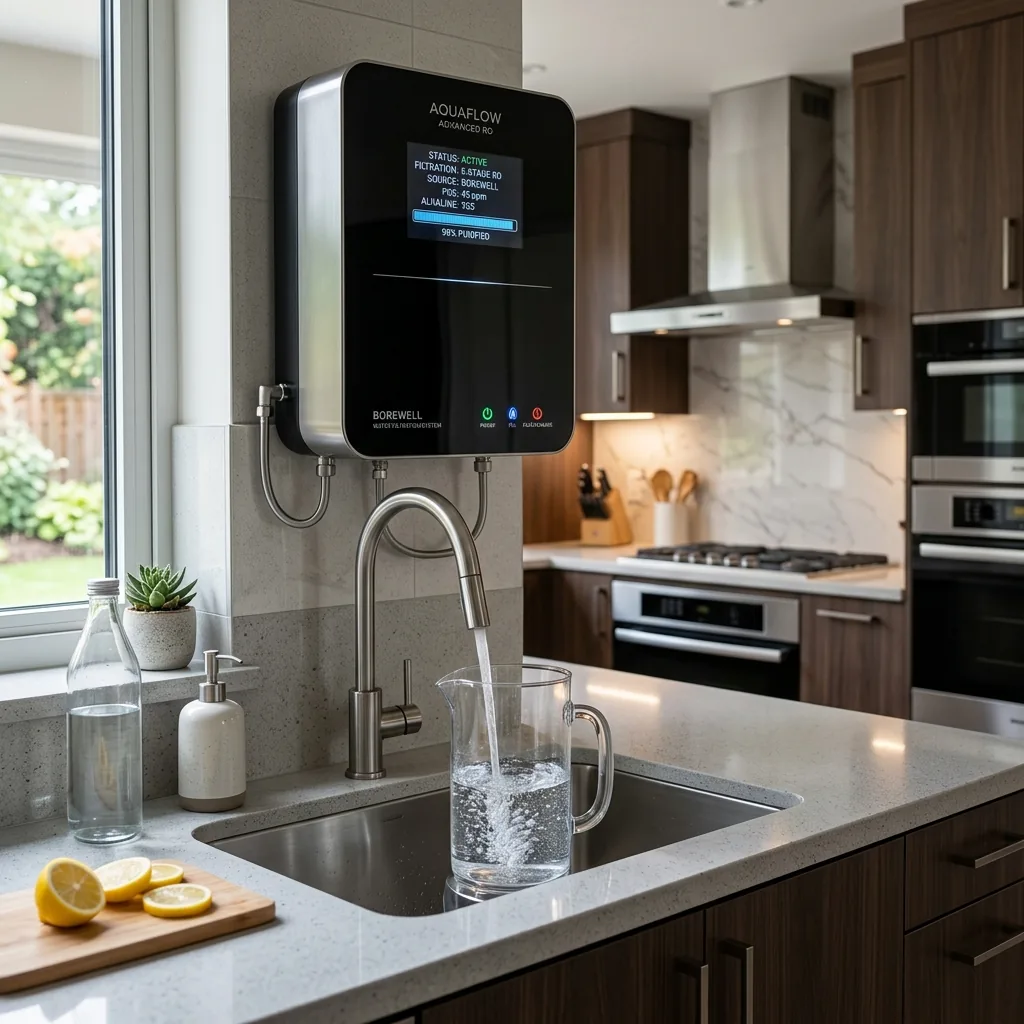
The Ultimate Guide to Filtering Borewell Water (2026)
Discover the best RO water purifiers designed specifically for treating hard, salty borewell water in India. Comprehensive 2026 guide with high TDS solutions.
Avoiding AMC Traps: How to Calculate the True 5-Year Cost of Water Purifiers
Don't fall for subsidized upfront price tags. Learn how to calculate the true 5-year Total Cost of Ownership (TCO) of water purifiers, defeat RFID microchip locks, and save up to ₹17,500 on maintenance.

The Hidden Effects of Hard Borewell Water on Your Hair, Skin, and Health
Experiencing sudden hair fall or dry skin? Learn how hard borewell water damages your skin barrier and hair follicles, and discover the scientific solutions to fix it.

Why You Need a Data-Driven Approach to Choose a Water Purifier: Inside the AI Diagnostic Engine
Don't gamble with retail showroom guesswork. Discover how Water Purifier Advisor uses localized geochemical data, AI lab report scanning, and algorithmic matching to select the exact filtration technology your home needs.
Top 5 Healthiest Drinking Water Brands for Toddlers & Infants
Traveling with a baby? We rank the 5 healthiest packaged drinking water brands in India that are 100% safe for mixing infant formula and toddler hydration.
How to Remove Iron and Yellow Stains from Borewell Water Before RO (2026 Guide)
Is your borewell water turning yellow and staining clothes? Learn how to remove dissolved iron before it permanently destroys your expensive RO membrane.
Can You Use a UV/UF Purifier for Borewell Water? (Read Before Buying)
Thinking about buying a cheaper UV/UF purifier for your borewell water? Learn about the limitations of Ultrafiltration and Ultraviolet tech for high TDS groundwater.
Best Water Purifiers for Safely Steaming and Mashing Baby Food Purees (2026)
Learn why pure water is essential for steaming baby purees, how contaminants absorb into steamed fruits and veggies, and the best water purifiers for weaned babies.
Hard Water vs. Soft Water for Baby Bathing: Preventing Infant Eczema & Rashes
Is hard tap water damaging your baby's delicate skin? Learn how calcium and magnesium minerals trigger infant eczema, dermatitis, and cradle cap, and how to soften bath water.
The Hidden Maintenance Costs of RO Purifiers Under ₹15,000 (2026 Guide)
Are budget RO purifiers worth it? Uncover the hidden AMC traps, proprietary filter replacement costs, and true 5-year TCO of water purifiers under ₹15,000.
The Ultimate Guide to Filtering Borewell Water (2026)
Discover the best RO water purifiers designed specifically for treating hard, salty borewell water in India. Comprehensive 2026 guide with high TDS solutions.
Avoiding AMC Traps: How to Calculate the True 5-Year Cost of Water Purifiers
Don't fall for subsidized upfront price tags. Learn how to calculate the true 5-year Total Cost of Ownership (TCO) of water purifiers, defeat RFID microchip locks, and save up to ₹17,500 on maintenance.
The Hidden Effects of Hard Borewell Water on Your Hair, Skin, and Health
Experiencing sudden hair fall or dry skin? Learn how hard borewell water damages your skin barrier and hair follicles, and discover the scientific solutions to fix it.
Why You Need a Data-Driven Approach to Choose a Water Purifier: Inside the AI Diagnostic Engine
Don't gamble with retail showroom guesswork. Discover how Water Purifier Advisor uses localized geochemical data, AI lab report scanning, and algorithmic matching to select the exact filtration technology your home needs.
Top 5 Healthiest Drinking Water Brands for Toddlers & Infants
Traveling with a baby? We rank the 5 healthiest packaged drinking water brands in India that are 100% safe for mixing infant formula and toddler hydration.
How to Remove Iron and Yellow Stains from Borewell Water Before RO (2026 Guide)
Is your borewell water turning yellow and staining clothes? Learn how to remove dissolved iron before it permanently destroys your expensive RO membrane.
Can You Use a UV/UF Purifier for Borewell Water? (Read Before Buying)
Thinking about buying a cheaper UV/UF purifier for your borewell water? Learn about the limitations of Ultrafiltration and Ultraviolet tech for high TDS groundwater.
Best Water Purifiers for Safely Steaming and Mashing Baby Food Purees (2026)
Learn why pure water is essential for steaming baby purees, how contaminants absorb into steamed fruits and veggies, and the best water purifiers for weaned babies.
Hard Water vs. Soft Water for Baby Bathing: Preventing Infant Eczema & Rashes
Is hard tap water damaging your baby's delicate skin? Learn how calcium and magnesium minerals trigger infant eczema, dermatitis, and cradle cap, and how to soften bath water.
The Hidden Maintenance Costs of RO Purifiers Under ₹15,000 (2026 Guide)
Are budget RO purifiers worth it? Uncover the hidden AMC traps, proprietary filter replacement costs, and true 5-year TCO of water purifiers under ₹15,000.
Next Steps: Free Water Tools & Guides
Continue your research with our interactive calculators, AI assessment, and expert buying guides.
Tools & Calculators
Smart Purifier Catalog
Browse our full catalog of water purifiers with advanced filtering.
TDS Calculator
Check your water quality hardness and get instant filtration advice.
Maintenance Estimator
Avoid AMC traps and calculate your exact 5-year filter replacement costs.
AI Water Advisor
Take our 30-second quiz for personalized purifier recommendations.
5-Year TCO Calculator
Compare long-term costs of Buying vs Renting vs Water Jars.
Top Blog Posts & Guides
Top 10 Purifiers in India
Lab-tested rankings of 2026's best purifiers with 5-year AMC costs.
Best RO for Borewell
High-TDS purification systems tailored for hard borewell water.
Best for Municipal Water
Low-maintenance UV/UF purifiers for municipal corporation supply.
Is Well Water Safe for Infants? A Guide to Testing & Heavy Metal Filtration (2026)
Is borewell or well water safe for your baby? Learn about the deadly risks of nitrates (Blue Baby Syndrome), arsenic, lead, and how to test and purify well water.
Top Water Purifier Brands with the Best After-Sales Service in India (2026 Guide)
Compare Kent, Aquaguard, Pureit, and Livpure on after-sales service quality, AMC costs, and real customer reviews. Find the most reliable brand for maintenance.
Comments & Discussion
0 Comments