The Science: What Does 800 TDS Actually Mean?
Total Dissolved Solids (TDS) refers to the total concentration of dissolved inorganic salts—like calcium, magnesium, potassium, sodium, bicarbonates, chlorides, and sulfates—and some small amounts of organic matter dissolved in water. When your water tests at 800 ppm (parts per million), it means that for every one million parts of water, there are 800 parts of dissolved solids.
The category for this level of TDS is classified as Very High TDS. Depending on where you live, this TDS is usually driven by either groundwater minerals (borewells) or municipal chemical treatments.
The "Safe" Myth
Many people believe that lower TDS is always better. However, 0 TDS water (like distilled water) is actually harmful because it leaches minerals from your body. The goal is to strike a balance between removing toxic heavy metals and retaining essential minerals.
Health Impacts and Water Quality at 800 ppm
Drinking water with a TDS of 800 carries specific implications. As noted by health standards, this level is considered: Unsafe without RO.
Water with 800 TDS is unfit for direct consumption and can cause long-term health issues or stomach upset. You need a robust RO purifier with a strong membrane capable of handling high salt loads to bring the TDS down to safe drinking levels.
Beyond direct consumption, using water at 800 ppm for cooking can affect the taste and texture of your food. If the TDS is driven by high calcium and magnesium (hardness), it can also lead to scaling on your kitchen utensils and internal heating elements of appliances.
Why RO + UV is the Perfect Fit
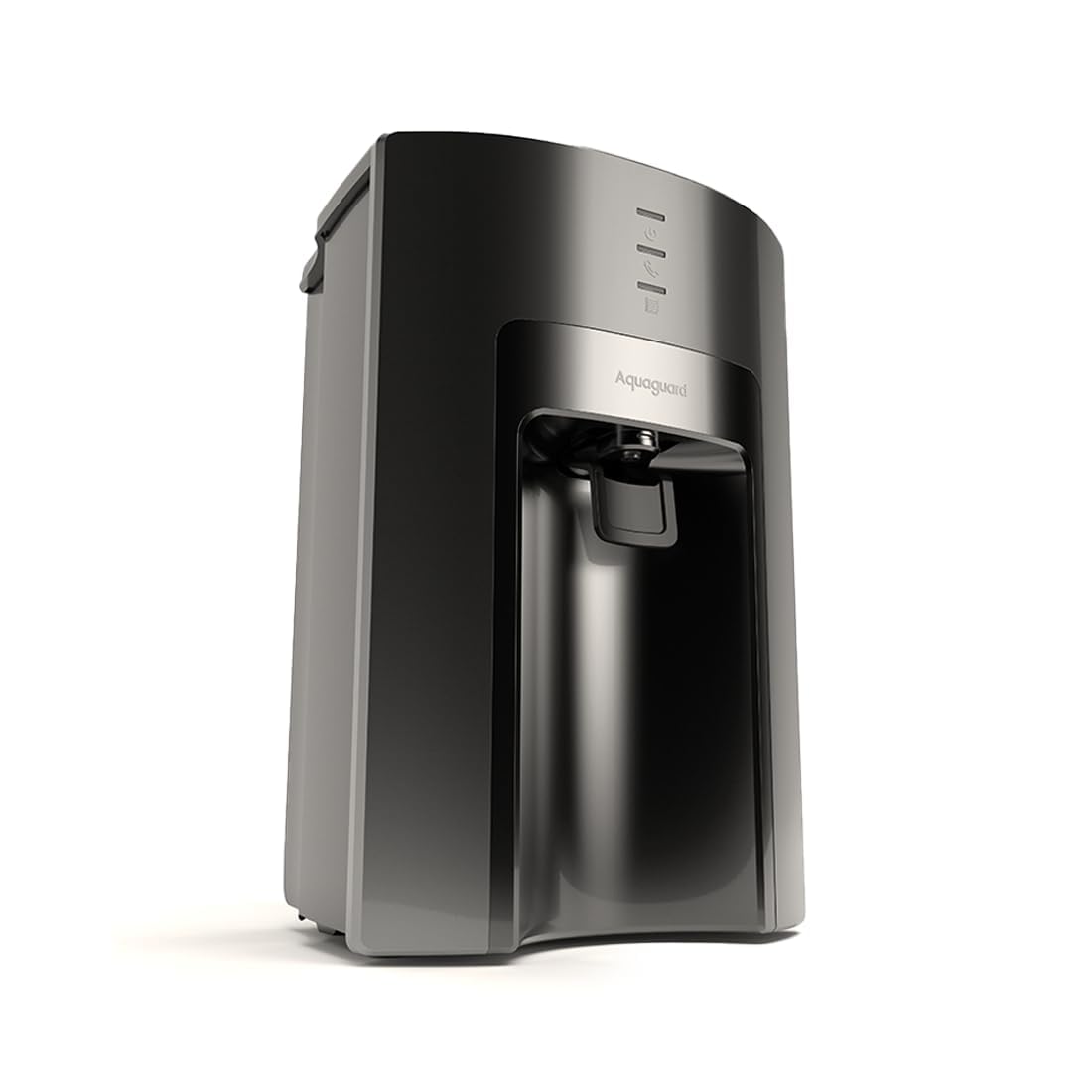
For a TDS level of 800, standard gravity filters or boiling simply won't cut it. You specifically need a RO + UV water purifier. Here is the technical breakdown of why this is the only correct choice:
- Reverse Osmosis (RO) Necessity: Only RO membranes have pores fine enough (0.0001 microns) to physically block dissolved salts and heavy metals, effectively lowering the TDS from 800 to a safe ~50-150 ppm range.
- UV Sterilization: While RO handles dissolved solids, UV is essential for biological protection, destroying the DNA of bacteria and viruses that may be present.
Compare with Other TDS Levels
To give you a better perspective, here is how 800 TDS compares to other common water quality levels across India:
| TDS Level | Category | Danger Level | Required Purifier |
|---|---|---|---|
| 800 ppm (Current) | Very High TDS | Unsafe without RO | RO + UV |
| 1500 ppm | Brackish Water | Hazardous | High Recovery RO |
| 2000 ppm | Severe Brackish Water | Hazardous | Commercial Grade RO / High-TDS RO |
| 400 ppm | Moderate TDS | Moderate | RO + UV |
| 300 ppm | Acceptable TDS | Acceptable | RO + UV (with Mineral Cartridge) or UF + UV |
Maintenance Expectations
When filtering 800 TDS water using a RO + UV purifier, you must be prepared for the associated maintenance:
- At this TDS level, sediment filters will likely need changing every 3-6 months.
- If you are using an RO membrane for 800 TDS, expect a lifespan of roughly 12 to 18 months, depending on your daily usage volume.
- Use our Maintenance Estimator to get a precise cost breakdown based on this TDS level.